
A Persistent Issue:
Tent Encampments vs. Brick & Mortar
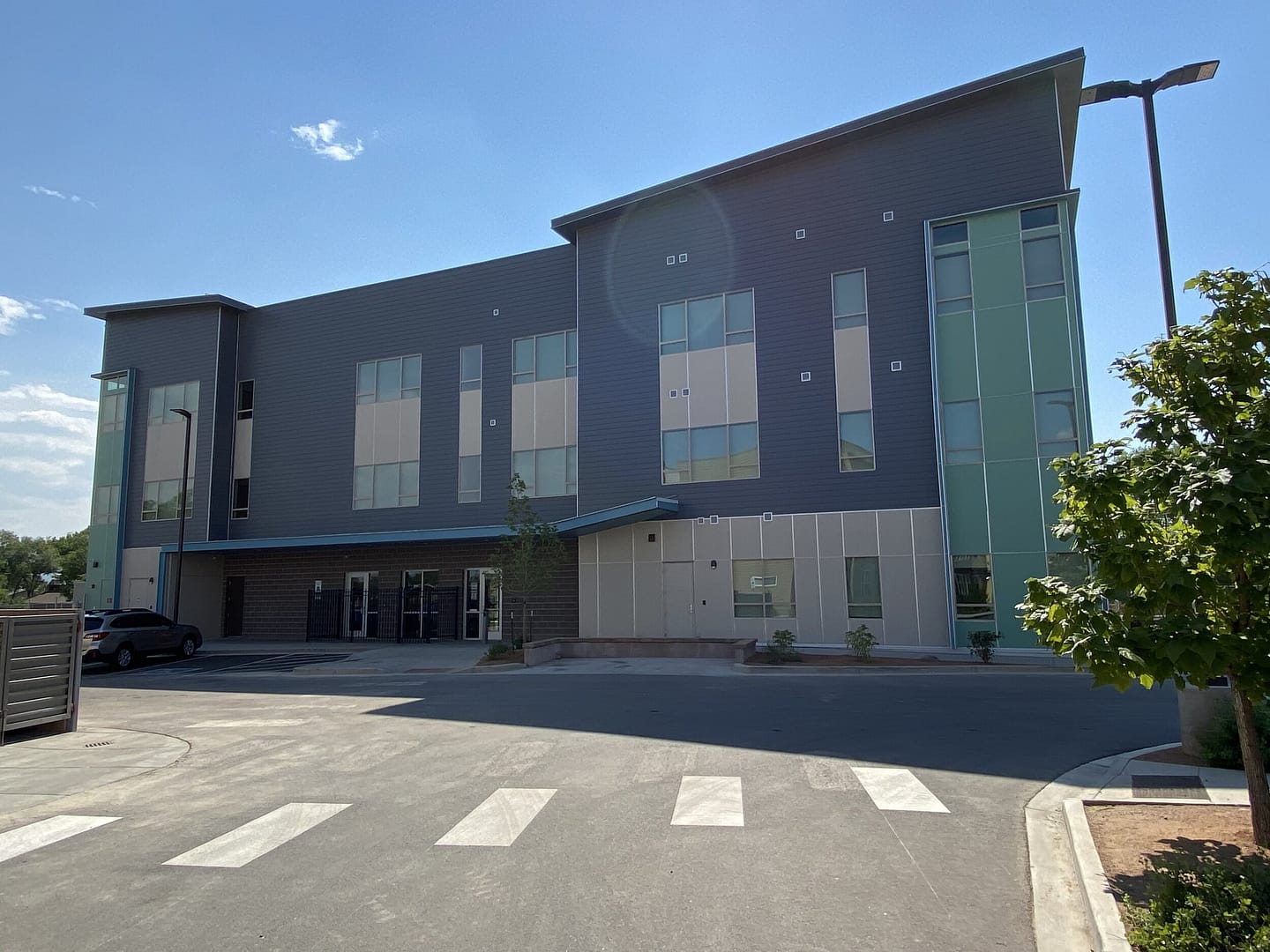
The issue of homelessness is a complex and ongoing challenge faced by cities across the world, with no easy or definitive solution in sight. Tent encampments, often found in urban areas, provide temporary shelter for those without a home. However, cities generally prefer more permanent, brick-and-mortar solutions for several reasons.
Health and Sanitation Concerns: Tent encampments can often become sites of unsanitary conditions. Without access to proper sanitation facilities, individuals living in these encampments may face health risks from lack of clean water, inadequate waste disposal, and exposure to the elements. These conditions can lead to outbreaks of disease, which pose a public health concern for both the inhabitants of the encampments and the surrounding community.
Safety and Security: Safety is another significant issue associated with tent encampments. Due to their temporary nature, these encampments can be more vulnerable to crime and violence, both from within and from external threats. The lack of solid structures and secure entry points can make it easier for unauthorized individuals to enter, leading to potential conflicts and unsafe environments for those seeking shelter there.
Impact on Public Spaces: Tent encampments often occupy public spaces, such as parks or sidewalks, which can disrupt the intended use of these areas by the broader community. This can lead to tensions between the homeless population and other city residents, as well as impacting local businesses and tourism. Cities strive to maintain public spaces that are accessible and safe for all residents, and tent encampments can create conflict in achieving this goal.
Stability and Long-Term Solutions: While tent encampments may provide a temporary solution, cities aim for more stable, long-term housing options. Brick-and-mortar buildings, such as affordable housing complexes and shelters, offer a more permanent solution that can provide consistent support services. These buildings often come with facilities for hygiene, healthcare, and social services, which can help individuals transition out of homelessness more effectively than temporary encampments.
Government and Policy Challenges: Cities face significant challenges in addressing homelessness due to policy constraints and limited resources. Zoning laws, funding limitations, and community opposition can all impede the development of permanent housing solutions. Despite these obstacles, many city officials and policymakers continue to advocate for brick-and-mortar solutions as the most viable long-term approach to addressing homelessness.
Ongoing Struggles and No Easy Solutions: The conflict between tent encampments and brick-and-mortar solutions reflects the broader struggles faced by cities in addressing homelessness. There is no happy ending or quick fix to this issue. While cities work towards creating permanent housing options, the reality is that many individuals continue to rely on tent encampments for shelter. The need for comprehensive, empathetic, and sustained efforts to address homelessness remains critical.
In conclusion, cities prefer brick-and-mortar buildings over tent encampments due to concerns about health, safety, and stability. While these permanent solutions are ideal, the persistent issue of homelessness means that tent encampments continue to exist, highlighting the ongoing and unresolved nature of this challenge. The journey towards a resolution is ongoing, with no easy answers in sight.
Disclaimer: This is a work of fiction. Names, characters, places, and incidents are either the product of the author’s imagination or are used fictitiously. Any resemblance to actual persons, living or dead, events, or locales is entirely coincidental. The author does not endorse or condone any actions or behavior depicted in this story. Any opinion expressed is solely those of the characters and does not reflect the views of the author or any affiliated entities.
By the Street Sentinel