
“Why So Many Remain
Unhoused in Stockton“
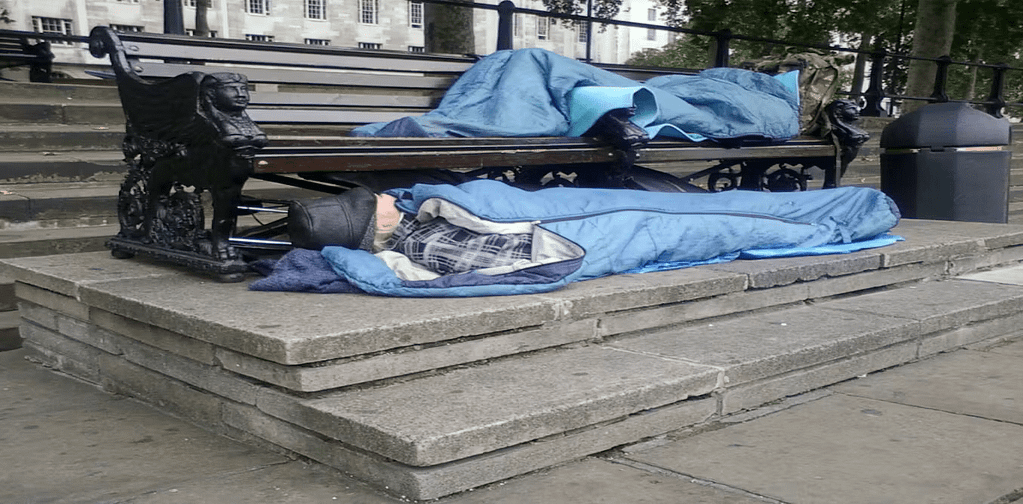
📘Stockton’s official reports paint a picture of a city working hard to address homelessness. And to be fair, some of that picture is true.
The Stockton Shelter for the Homeless serves an average of 320 people a day.
The city funds supportive services, hygiene programs, food distribution, and rapid rehousing.
Community partners run outreach teams, warming centers, and emergency response programs.
On paper, it looks like a coordinated effort.
But if you live on the “wrong side of town,” you see something different.
You see tents multiplying.
You see people sleeping in doorways.
You see encampments shifting from block to block like a tide that never recedes.
So, the question becomes:
If Stockton is doing so much… why are so many still unhoused?
The answer isn’t simple, but it is visible once you look closely.
1. The Need Is Bigger Than the Capacity
The Stockton Shelter for the Homeless may serve 320 people daily, but the unsheltered population is far larger.
Shelters fill up.
People get turned away.
Some avoid shelters due to trauma, safety concerns, or restrictive rules.
The result:
More people outside than inside.
2. Housing Is Scarce Especially for the Poorest Residents
Even with rapid rehousing programs, Stockton faces:
- rising rents
- limited affordable units
- long waitlists
- strict application requirements
- landlords unwilling to rent to people with past evictions or no income
You can offer someone a housing voucher but if there’s nowhere to use it, they stay outside.
3. Services Are Fragmented, Not Unified
Stockton has:
- outreach teams
- shelters
- city departments
- county behavioral health
- nonprofits
- faith‑based groups
- state and federal partners
But they often operate in parallel, not in coordination.
People fall through the cracks between agencies that don’t share data, don’t share plans, and don’t share responsibility.
4. Encampment Sweeps Without Housing Pathways Create Displacement, Not Solutions
When encampments are cleared without guaranteed shelter or housing:
- people scatter
- belongings are lost
- trauma increases
- visibility rises in new areas
- the cycle repeats
This isn’t resolution it’s redistribution.
5. The Most Vulnerable Have the Least Access
People with:
- untreated mental health conditions
- substance use challenges
- criminal records
- pets
- partners
- disabilities
often can’t access traditional shelters.
These are the people most likely to remain outside.
So What’s the Real Problem?
Stockton isn’t failing because it doesn’t care.
It’s failing because the system wasn’t built to handle the scale, complexity, or humanity of the crisis.
And that’s where the cracks appear.
By Joseph Marshall — Shelter Outline: The Network