
“When Society Seeks a Scapegoat,
The Homeless Bears the Brunt”
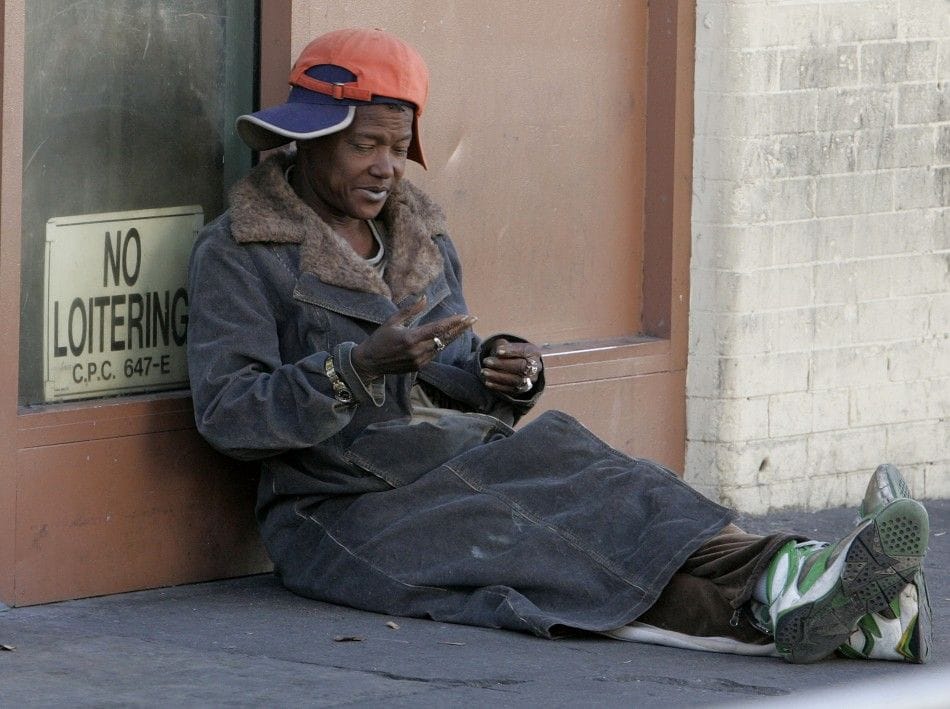
In the quiet city of Riverside, the homeless community had long faced challenges, but none as profound as the perpetual blame they bore whenever society sought a scapegoat. The city, known for its diverse population and vibrant culture, was also a place where the less fortunate were often marginalized.
Among those who felt the weight of this blame was Karen, a former teacher who had lost her home due to a series of unfortunate events: a school closure, medical bills, and a devastating divorce. Karen had always believed in the goodness of people, but her new reality on the streets tested that belief daily.
Every time there was an uptick in crime, public health scare, or even a small economic downturn, the fingers pointed in one direction: the homeless. Media outlets ran stories that painted them as the root of all the city’s problems, further perpetuating the stigma. Politicians used them as pawns in their campaigns, promising to “clean up the streets” without addressing the underlying causes of homelessness.
Karen witnessed firsthand how this scapegoating affected her fellow homeless individuals. Men and women who were already vulnerable and struggling to survive faced increased hostility and fewer opportunities for assistance. It was as if society had decided that by blaming them, they could ignore the more complex issues at play.
Despite this, Karen remained resilient. She found solace in a small community of homeless individuals who supported each other through thick and thin. Among them was Tom, a veteran who had fallen on hard times, and Lisa, a young woman escaping an abusive relationship. Together, they formed a makeshift family, sharing resources and watching out for one another.
One day, a new wave of accusations swept through the city. A series of break-ins had occurred in a well-to-do neighborhood, and the media was quick to suggest that the homeless were responsible.
The police began conducting sweeps, pushing Karen and her friends further into the shadows.
Feeling the weight of injustice, Karen decided it was time to speak out. She reached out to a local journalist named Sarah, who had a reputation for honest reporting. Karen shared her story, highlighting the struggles and humanity of the homeless community. She spoke of the support system they had built and the unfair treatment they endured.
Sarah was moved by Karen’s story and decided to write an article that shed light on the real issues faced by the homeless. She interviewed several individuals, painting a more nuanced picture of their lives and challenges. The article highlighted the systemic failures that led to homelessness and the resilience and strength of those who survived it.
The story gained traction, and soon, the narrative began to shift. More people started advocating for the homeless, pushing for policies that addressed root causes like affordable housing, mental health services, and job training. Community groups organized support networks that provide resources without judgment.
Karen’s courage to speak out brought about a change in Riverside. The city started to see the homeless not as scapegoats but as individuals in need of compassion and support. While challenges remained, the shift in perception was a step towards a more inclusive and empathetic society.
By the Street Sentinel