
Story 2: The Whisper Effect
The Public Perception Series · Shelter Outline Stories
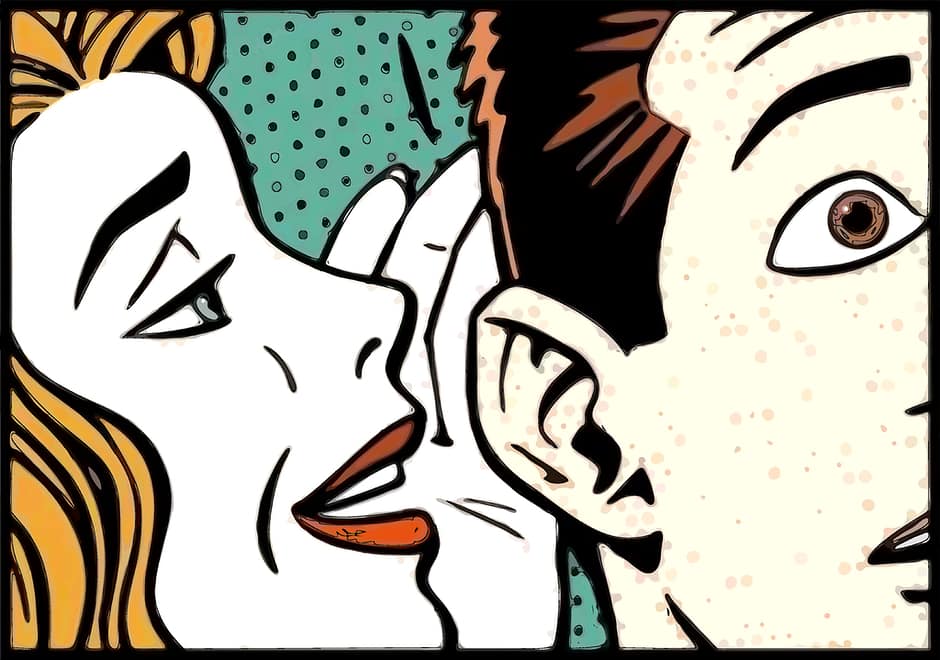
People whispering on public transit
How quiet comments teach society who is welcome and who isn’t.
It never starts with a shout. It starts with a whisper.
A homeless person steps onto a bus, into a store, or across a sidewalk, and suddenly the air changes. People shift in their seats. Eyes drop. Shoulders tighten. And then the comments begin soft enough to deny, loud enough to wound.
“Here we go…”
“They always smell.”
“Don’t sit near me.”
“This is why the city is going downhill.”
These aren’t confrontations. They’re judgments disguised as background noise. But they do something powerful: they teach everyone around them how to react.
A child hears the whisper and learns who is “safe” and who isn’t.
A teenager hears it and learns who deserves respect and who doesn’t.
An adult hears it and feels validated in their own discomfort.
And the person being whispered about? They hear it too. Every word. Every sigh. Every shift in tone.
The Whisper Effect is one of the most damaging forces in public perception because it spreads silently. It doesn’t need a headline or a protest or a policy meeting. It only needs a moment, a bus ride, a grocery line, a park bench.
And once the whisper becomes normal, everything else becomes easier:
- Ignoring someone who needs help
- Calling the police instead of offering kindness
- Supporting laws that push people out of sight
- Believing stereotypes without ever questioning them
- Seeing a human being as a threat instead of a neighbor
The Whisper Effect doesn’t just shape opinions it shapes behavior. It creates a culture where people feel justified in treating others as less than human.
And the saddest part? The person being whispered about rarely responds. Not because they don’t hear it, but because they’ve heard it a thousand times before.
The whispers don’t say anything about them. They say everything about us.
Closing Reflection
Public perception isn’t shaped by big moments; it’s shaped by small ones. The quiet comments. The looks. The discomfort people don’t admit out loud.
If we want to change how society sees homelessness, we have to start with the whispers. We have to challenge the quiet cruelty that people think no one hears.
Call to Action
Speak up when others whisper. Model compassion in public spaces. Show your community that dignity is not optional.
The Public Perception Series · Part of the Shelter Outline movement.
Story by the Street Sentinel
📜 Disclaimer
← Back to All Series