
Story 8: Survival Mode Isn’t a Choice
The Mental Health Series · Shelter Outline Stories
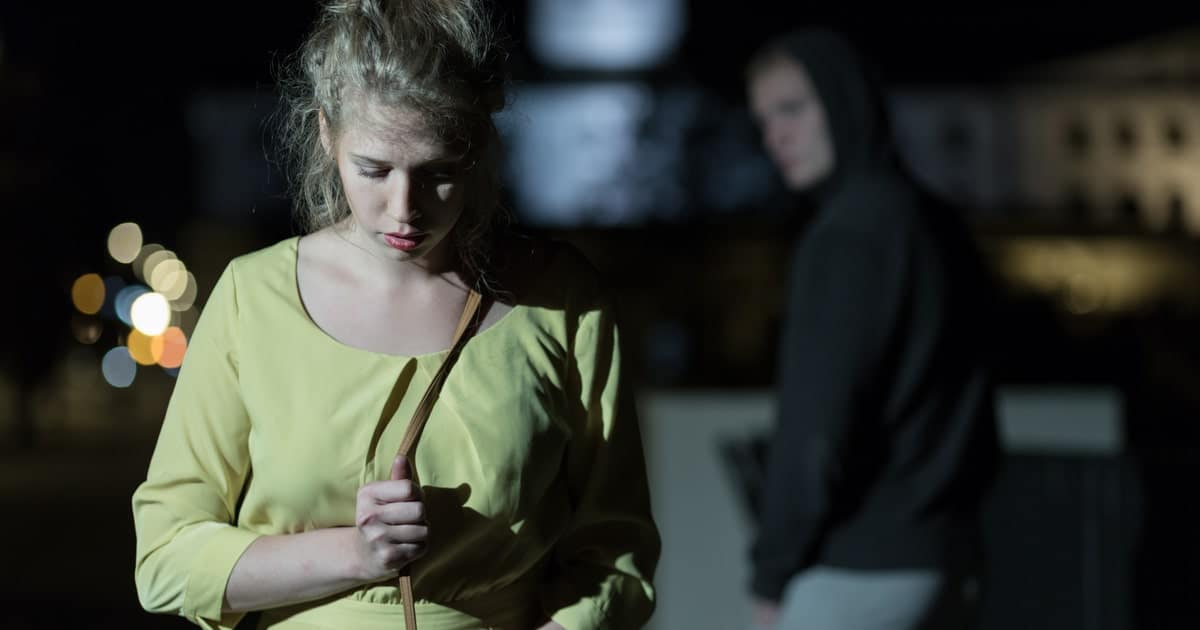
A person walking alone at night symbolizes constant vigilance
How the brain adapts to danger and why it looks like “behavior” to people who don’t understand trauma.
People often assume survival mode is a mindset, something someone can “snap out of” with enough willpower or motivation. But survival mode isn’t a choice. It’s a biological response, wired deep into the brain, activated when someone has lived through too much danger for too long.
When someone loses housing, safety disappears overnight. The world becomes unpredictable. Every sound matters. Every stranger matters. Every decision feels like it could be the wrong one.
The brain adapts. Not because someone wants it to, but because it has to.
Survival mode changes everything:
- Sleep becomes shallow and fragmented
- The nervous system stays on high alert
- Small stressors feel overwhelming
- The future becomes impossible to plan for
- The body prioritizes safety over everything else
To the public, this can look like “bad decisions,” “lack of motivation,” or “not trying.” But what they’re seeing isn’t a lack of effort; it’s a nervous system doing exactly what it was designed to do in danger.
Survival mode narrows someone’s world. It makes long-term thinking feel impossible. It makes paperwork feel like a mountain. It makes appointments feel like traps. It makes trust feel dangerous.
And none of this is a choice.
When someone is living outside, survival mode becomes the default setting. The brain doesn’t get to rest. The body doesn’t get to reset. The mind doesn’t get to imagine anything beyond the next hour.
The public sees the effects of exhaustion, the irritability, the forgetfulness, the shutdowns, but they rarely understand the cause.
The truth is simple: People in crisis aren’t choosing survival mode. Survival mode is choosing them.
And until safety returns, the brain won’t let go of it.
Closing Reflection
Survival mode is not a character flaw. It’s not a lack of discipline. It’s not a refusal to change. It’s the brain’s way of keeping someone alive in conditions no one should have to endure. Understanding this is the first step toward offering real support, the kind that restores safety instead of demanding stability from someone who hasn’t had a chance to feel safe.
Call to Action
Stop interpreting survival as “behavior.” Recognize the biology behind the struggle. Offer safety first; everything else comes after.
The Mental Health & Trauma Series · Part of the Shelter Outline movement.
Story by the Street Sentinel
📜 Disclaimer
← Back to All Series