
The Person They Used to Be
Doesn’t Disappear They Just Get Buried
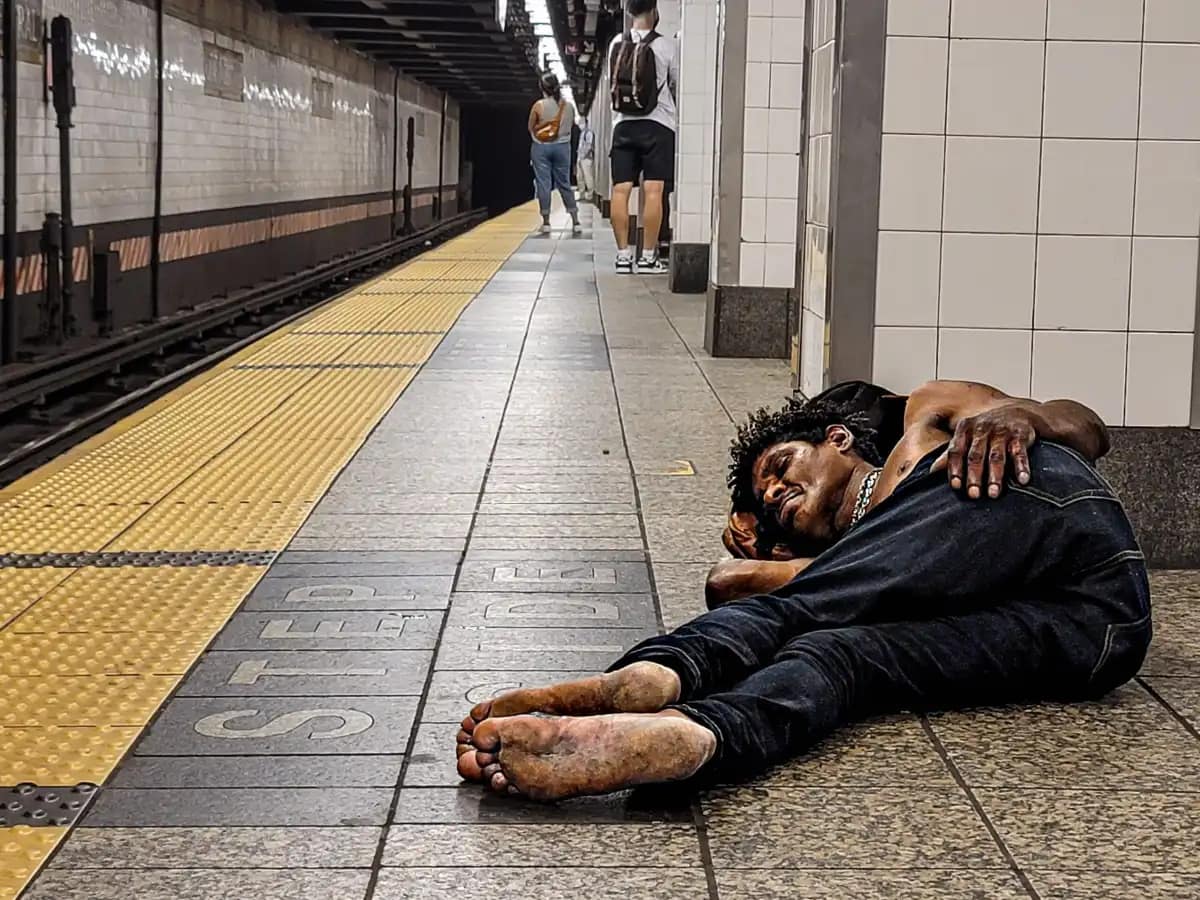
People talk about homelessness like it erases a person.
Like the moment someone ends up outside, their entire identity resets.
Like they become a “homeless person” instead of a person who is going through homelessness.
But the truth is this:
The person they used to be doesn’t disappear they just get buried.
Buried under exhaustion.
Buried under fear.
Buried under shame.
Buried under the daily grind of survival.
Buried under the way the world stops seeing them.
People forget that the person outside once had:
A favorite meal.
A favorite show.
A favorite joke.
A favorite place to sit.
A favorite version of themselves.
They had routines.
They had preferences.
They had quirks.
They had dreams.
They had a life.
And all of that still exists, it’s just buried under layers of trauma and survival mode.
When someone is outside long enough, the world stops treating them like a full human being.
And slowly, painfully, they start to believe it.
Not because they want to.
Not because they choose to.
But because identity is fragile when the world refuses to reflect it back.
Mental health on the street isn’t just about trauma.
It’s about identity erosion, the slow fading of the person they remember being.
And the system doesn’t help with that.
It treats people like cases, not characters.
Like problems, not people.
Like numbers, not narratives.
But healing isn’t just about housing.
It’s about helping someone dig themselves out from under everything that buried them.
It’s about reminding them:
You’re still in there.
You’re still you.
You didn’t disappear.
You were buried, and we can unearth you together.
By the Street Sentinel