
Story 13: The Trauma of Public Judgment
The Mental Health Series · Shelter Outline Stories
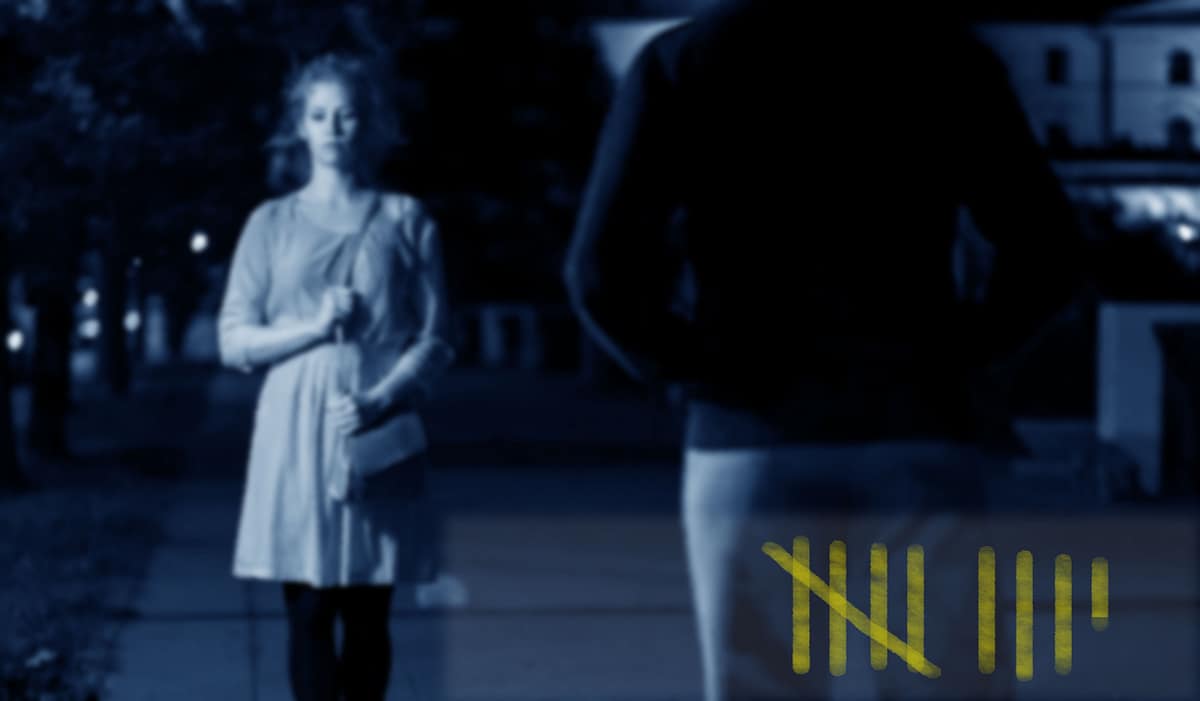
A person walking past judgmental stares symbolizing social pressure
How constant judgment shapes the mind and why public reactions cut deeper than people realize.
Most people underestimate the power of a look. A glance. A whisper. A shift in body language. But for people experiencing homelessness, public judgment is everywhere, constant, heavy, and unavoidable.
Judgment doesn’t have to be spoken to be felt. It shows up in:
- The way people clutch their bags
- The way they cross the street
- The way they avoid eye contact
- The way they whisper to each other
- The way they stare just long enough to wound
These moments may seem small to the people doing them, but they land like blows. They reinforce a message that becomes impossible to ignore: You are not welcome here.
Public judgment shapes the nervous system. It creates shame, fear, and hypervigilance. It makes someone feel like they are constantly being evaluated, constantly failing, and constantly on display.
Over time, this leads to emotional patterns that look like:
- withdrawal
- avoidance
- defensiveness
- anger
- shutdown
The public often misreads these reactions as “attitude” or “aggression.” But what they’re seeing is someone trying to protect themselves from a world that treats them like a problem instead of a person.
Judgment doesn’t motivate people to “do better.” It doesn’t inspire change. It doesn’t build trust.
Judgment isolates. Judgment humiliates. Judgment retraumatizes.
And the cruelest part is this: The more someone is judged, the harder it becomes for them to believe they deserve anything better.
Public judgment becomes a mirror that reflects back a distorted image of who someone is. And when that image is repeated enough times, it becomes internalized. It becomes part of their identity. It becomes part of their trauma.
The truth is simple: Judgment doesn’t just hurt feelings, it shapes lives.
Closing Reflection
Public judgment is one of the most pervasive and damaging forces people experiencing homelessness face. If we want to create real change, we have to confront the ways our reactions, even the quiet ones, contribute to someone’s suffering. Compassion begins with awareness.
Call to Action
Replace judgment with curiosity. Replace assumptions with understanding. Remember that every person you see is carrying more than you know.
The Mental Health & Trauma Series · Part of the Shelter Outline movement.
Story by the Street Sentinel
📜 Disclaimer
← Back to All Series