
Story 12: The Trauma of Being Moved Along
The Mental Health Series · Shelter Outline Stories
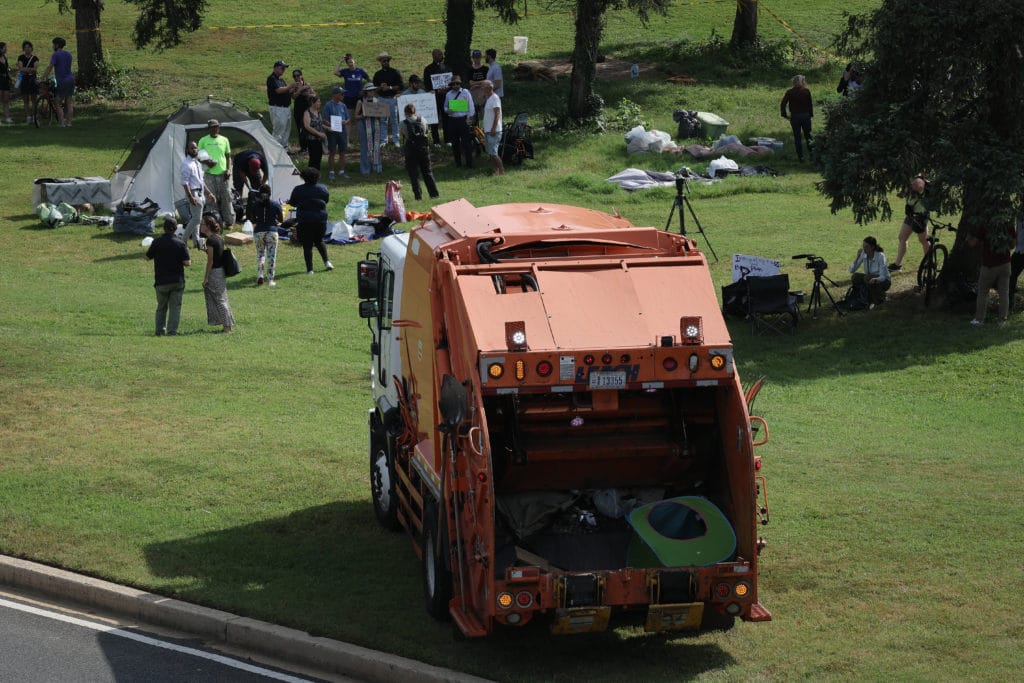
A person gathering belongings under pressure, symbolizing displacement
How forced displacement compounds trauma and why “moving people along” is never a neutral act.
When the public hears about “moving people along,” it sounds simple, a routine action, a harmless request, a way to “keep things orderly.” But for people experiencing homelessness, being moved along is not a small thing. It’s a disruption, a loss, and a reminder that they have no place where they are allowed to simply exist.
Every time someone is forced to move, they lose something:
- a moment of rest
- a sense of safety
- a familiar spot
- a fragile feeling of stability
- sometimes their belongings, documents, or medications
And each loss adds to the emotional weight they already carry.
Being moved along triggers the nervous system. It activates fear, panic, and urgency. It tells the brain, “You are not safe here.” For someone already living in survival mode, this can be overwhelming.
The public often sees the surface frustration, confusion, or shutdown and misinterprets it as defiance. But what they’re witnessing is trauma being reactivated in real time.
Forced displacement teaches a person that nothing is stable. That rest is temporary. That safety is conditional. That they can be uprooted at any moment.
Over time, this creates a deep emotional pattern:
- difficulty trusting anyone in authority
- fear of settling in or relaxing
- constant hypervigilance
- avoidance of services tied to enforcement
- a belief that they don’t deserve a place to exist
The truth is simple: Being moved along is not about location, it’s about belonging.
And when someone is repeatedly told they don’t belong anywhere, it becomes a form of trauma that shapes how they see themselves and the world.
Closing Reflection
Displacement is not a neutral action. It is a psychological blow that reinforces instability and fear. If we want to support people experiencing homelessness, we must understand the emotional cost of forcing someone to move and work toward solutions that offer safety instead of disruption.
Call to Action
Stop normalizing displacement. Advocate for stability, not movement. Build systems that give people a place to exist without fear.
The Mental Health & Trauma Series · Part of the Shelter Outline movement.
Story by the Street Sentinel
📜 Disclaimer
← Back to All Series