
Story 10: The Loneliness Spiral
The Mental Health Series · Shelter Outline Stories
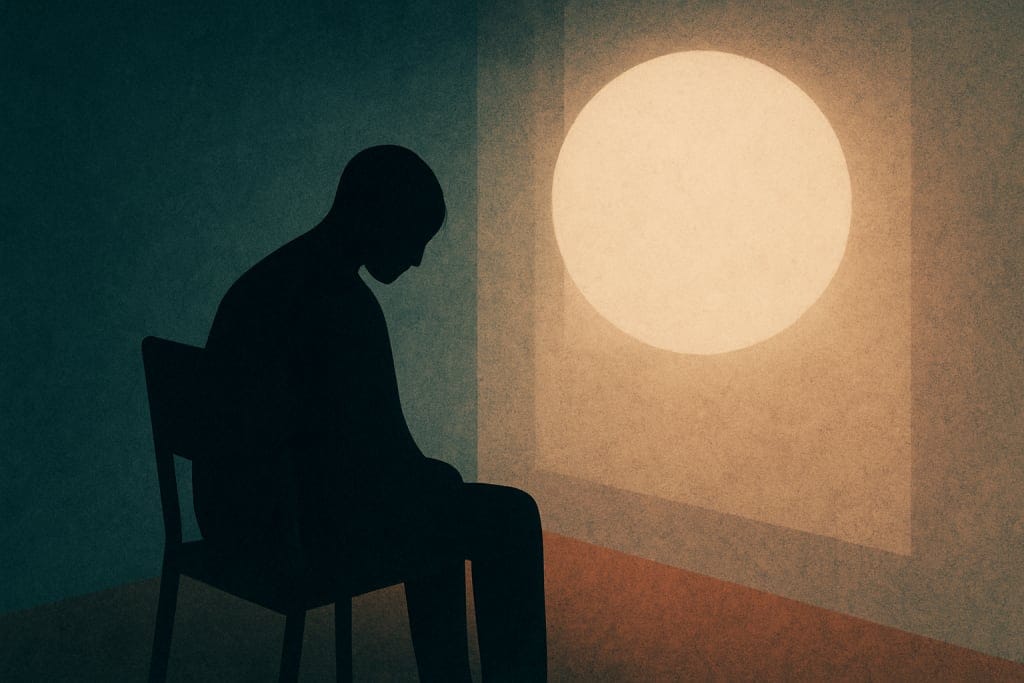
A person sitting alone in a quiet space symbolizes isolation
How isolation rewires the mind and why loneliness becomes its own kind of trauma.
Loneliness is one of the most powerful forces in the human experience and one of the most misunderstood. People think loneliness is just being alone. But loneliness is what happens when someone feels unseen, unheard, and disconnected for so long that their mind begins to change.
For people experiencing homelessness, loneliness isn’t an occasional feeling. It’s a constant state. It becomes the air they breathe. It becomes the background noise of every day.
Loneliness reshapes the brain:
- It heightens fear
- It increases sensitivity to rejection
- It makes trust feel dangerous
- It amplifies negative thoughts
- It erodes self-worth
Over time, loneliness becomes a spiral, a cycle that feeds itself. The more someone feels isolated, the harder it becomes to reach out. The harder it becomes to reach out, the more isolated they feel.
The public often misreads this. They see someone who avoids eye contact, keeps to themselves, or doesn’t engage, and they assume the person “doesn’t want help.” But what they’re seeing isn’t disinterest; it’s emotional exhaustion.
Loneliness teaches the brain that connection is risky. It teaches the heart that people leave. It teaches the mind that silence is safer than disappointment.
And once someone believes that, even kindness can feel threatening.
The tragedy is that loneliness is both a cause and a consequence of homelessness. People lose housing, and they lose community. They lose community, and they lose themselves. The world becomes smaller, quieter, and colder.
The truth is simple: Loneliness is not a symptom of homelessness; it is one of its deepest wounds.
And healing doesn’t begin with housing alone. It begins with connection, consistency, and the slow rebuilding of trust that loneliness once destroyed.
Closing Reflection
Loneliness changes people. It shapes their reactions, their decisions, and their ability to connect. If we want to support people experiencing homelessness, we have to understand the emotional isolation they live with every day and meet them with patience, presence, and genuine human connection.
Call to Action
Offer connection without pressure. Show up consistently. Remember that even small moments of kindness can interrupt the spiral.
The Mental Health & Trauma Series · Part of the Shelter Outline movement.
Story by the Street Sentinel
📜 Disclaimer
← Back to All Series