
Issues with the Homeless Women
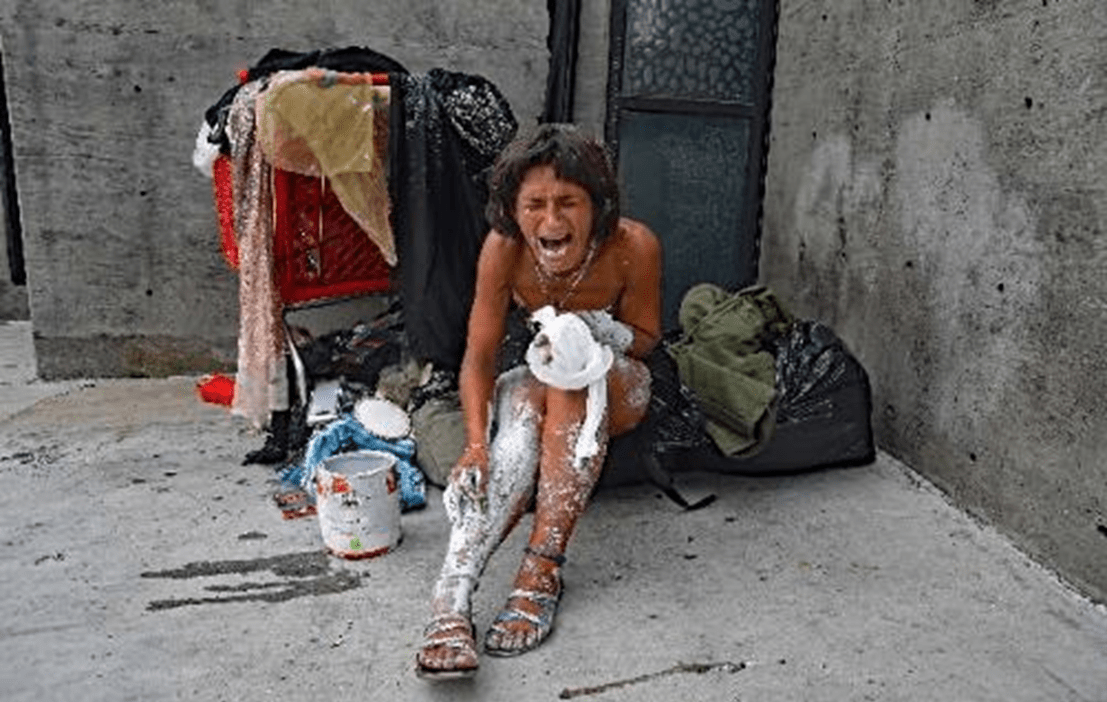
We need to establish specialized programs tailored specifically for women who have been left alone on the streets for far too long. The damage caused by prolonged insecurity and the harsh realities of street life cannot be overlooked. Many women, having endured a variety of pain, began to talk to themselves and lose care for their bodies, showing the deep psychological and physical toll of their experiences. These programs should focus on providing the following:
Safe Shelters: Secure and supportive housing environments where women can feel safe and begin the process of recovery are crucial. These shelters need to be more than just a roof over their heads; they should offer a nurturing environment that provides stability and a sense of belonging. Staffed with empathetic and trained professionals, these shelters can offer women the security they need to start healing and rebuilding their lives.
Physical Safety: Women on the streets are highly vulnerable to violence, abuse, and exploitation. It’s imperative to provide secure shelters and teach self-defense classes to help women build confidence, improve physical fitness, and learn valuable skills that can help improve their safety. Additionally, these shelters should have 24/7 security measures in place, including surveillance cameras, alarm systems, and staff trained in crisis intervention.
Mental Health: Prolonged exposure to the stress and trauma of homelessness can lead to severe mental health issues. Access to counseling and therapy is essential for helping these women heal and rebuild their lives. Specialized mental health programs should include one-on-one therapy sessions, group therapy, and support groups. Providing a safe space where women can share their experiences and receive professional help is vital for their mental and emotional recovery.
Healthcare: Many women lack access to basic healthcare services, leading to untreated medical conditions. Offering comprehensive medical and hygiene care is critical. These services should include regular medical check-ups, dental care, reproductive health services, and hygiene facilities. Mobile health clinics could also be deployed to reach women who are still on the streets, ensuring that no one is left without essential care.
Self-Esteem and Dignity: The loss of personal dignity and self-esteem is a significant issue. Programs that focus on empowerment, such as educational and vocational training, can help women regain their confidence and independence to reintegrate into society. Workshops on resume writing, job interviewing skills, and computer literacy can equip women with the tools they need to find employment and become self-sufficient. Additionally, programs that encourage creative expression, such as art therapy, can help women rediscover their sense of self-worth.
Social Isolation: Homeless women often feel isolated and disconnected from the community. Building a sense of community and peer support can provide them with a network of support and understanding.
Activities that promote social interaction, such as community dinners, support groups, and recreational outings, can help women feel less isolated and more connected to others. Creating opportunities for women to engage in meaningful relationships can significantly improve their overall well-being.
Community and Peer Support: Building a sense of community among women with shared experiences is essential for fostering mutual support and understanding. Peer support groups, where women can share their stories and offer encouragement to one another, can be incredibly empowering. These groups can also serve as a platform for advocacy, where women can collectively voice their needs and work towards creating positive change in their lives and communities.
Etiquette Training: Providing classes on social etiquette can help women navigate different social situations with confidence and ease. These classes can cover a range of topics, including communication skills, dining etiquette, and professional behavior. By learning how to present themselves effectively in various social contexts, women can feel more self-assured and better prepared to engage with the broader society.