
Men Who No Longer Serve Society
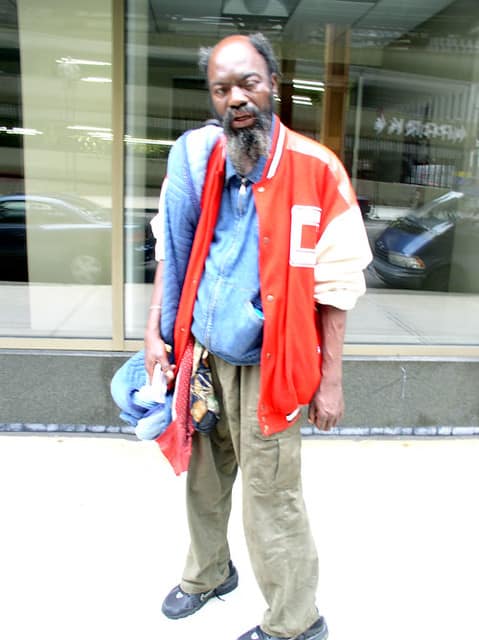
Supporting homeless men who can no longer contribute in traditional ways requires a compassionate, multifaceted approach. Here are some key steps to consider:
- Assessment and Personalized Care Plans:
- Conduct thorough assessments to understand everyone’s needs and capabilities.
- Develop personalized care plans that address specific challenges and requirements.
- Medical and Mental Health Services:
- Ensure access to comprehensive healthcare, including regular check-ups, medication management, therapy, and counseling.
- Safe and Stable Housing:
- Provide stable and secure housing options tailored to their needs, such as assisted living facilities, specialized shelters, or supportive housing programs.
- Social Services:
- Connect individuals with social services offering financial assistance, food support, and other essential resources.
- Case managers can help navigate these services and provide ongoing support.
- Day Centers and Community Programs:
- Establish day centers offering a safe place to spend time, access to meals, social interaction, and engaging activities.
- Community programs can provide a sense of belonging and purpose.
- Skill Development and Rehabilitation:
- Offer programs focusing on skill development, creativity, cognitive function, and physical health.
- Legal and Financial Assistance:
- Provide legal aid for securing identification, accessing benefits, and resolving legal issues.
- Financial counseling can help manage available resources.
- Peer Support and Mentorship:
- Create opportunities for peer support and mentorship, connecting with others who have faced similar challenges for emotional support and encouragement.
- Long-Term Care Options:
- For those with severe health issues or disabilities, they offer long-term care options like nursing homes, hospice care, or other specialized facilities.
- Community Education and Advocacy:
- Advocate for policies and programs supporting homeless men with limited capabilities.
- Educate the community to foster understanding and reduce stigma.
By implementing these strategies, we can provide homeless men with the support and care they need to live with dignity and respect.