
The Plant Alternatives:
A Historical Perspective
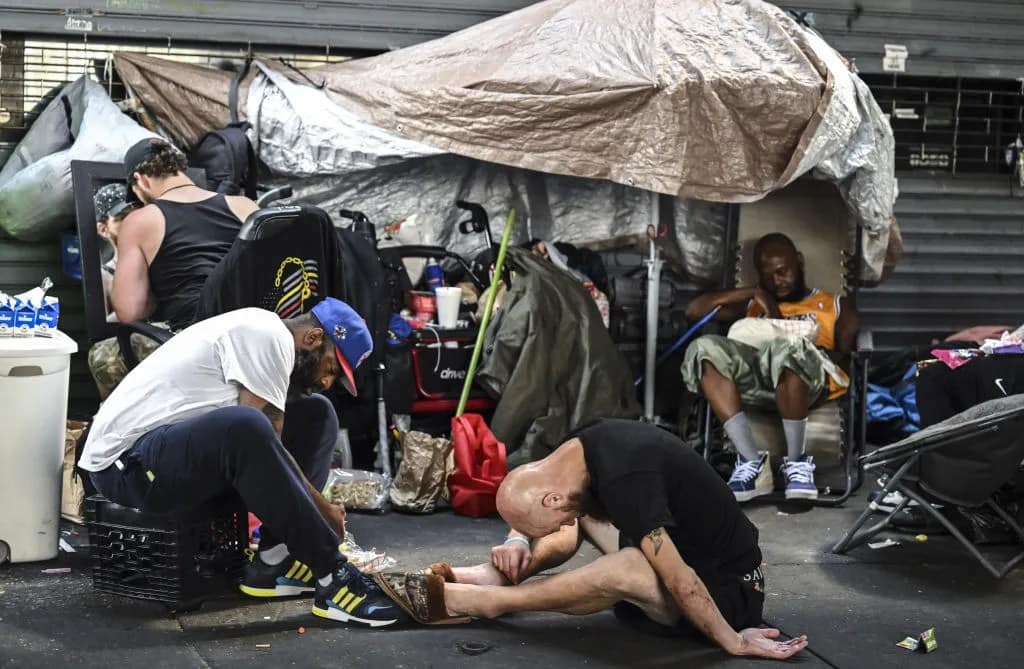
In history, society has often turned a blind eye to those individuals deemed undesirable. From the isolation of leprosy patients to the internment of Japanese Americans during World War II, there are numerous examples of how people were pushed to the margins.
The dark side of history reveals a tendency to hide away or ostracize individuals who did not fit the societal mold. A particularly harrowing chapter involved the treatment of individuals deemed mentally ill, and unfortunately for them, they were sent to asylums where extreme measures like shock therapy and lobotomies were commonplace, effectively turning them into what was metaphorically referred to as “plants”.
Fast forward to today, a similarly ostracized group emerges: the homeless population. Over the years, various factors have contributed to the rise in homelessness. For instance, the over-prescription of drugs like Ritalin in children to calm hyperactivity has had long-term impacts. Many mentally challenged adults are placed on medications that reduce their ability to function fully in society.
The worst part is that, when these individuals cannot access their prescribed medications, they turn to the streets for alternatives. The street drugs, now potent and weaponized, can swiftly turn individuals into shadows of their former selves, if not outright end their lives.
Society’s attempts to tackle homelessness have largely failed. The problems persist and continue to grow. There is a need for a new approach a reevaluation of old tactics might be necessary. One potential solution is a strategy of “divide and conquer.”
Dividing the Homeless Population into Levels
Level 1: These are the most visible homeless individuals, often referred to as undesirables or 5150s. They live openly on the streets, possess nothing, and have lived in such conditions for an extended period. Their behavior is typically erratic, and they show little respect for societal norms.
Level 2: These homeless individuals reside in tents or makeshift encampments. They are not as problematic as Level 1 and can be reasoned with. Their circumstances are marginally better, but they still lack stability.
Level 3: These are individuals living in their vehicles. Many in this category have jobs but cannot afford housing. They are often close to reintegration into society.
Level 4: The fortunate few who receive help and have the best chances of returning to society. They represent success stories of intervention
Creating Self-Contained Encampments: The proposal involves establishing monitored self-contained encampments for Levels 1 to 3. These campsites would be located away from communities and provide all necessary amenities, including security and cameras to ensure safety and order.
By separating the homeless population into these levels, society can better manage, support, and rehabilitate them. Each level would receive tailored interventions suitable for their specific needs, increasing the chances of successful reintegration.
While history has often isolated undesirables in dehumanizing ways, this approach aims to provide structured, humane support. The goal is not just to hide them away, but to genuinely address their needs, help them recover, and, if possible, reintegrate them into society.
In summary, tackling homelessness requires a multifaceted approach. By categorizing the homeless into levels and creating self-contained encampments, society can better address their varied needs and work towards meaningful solutions.
By the Street Sentinel