
Realizing the Objectives
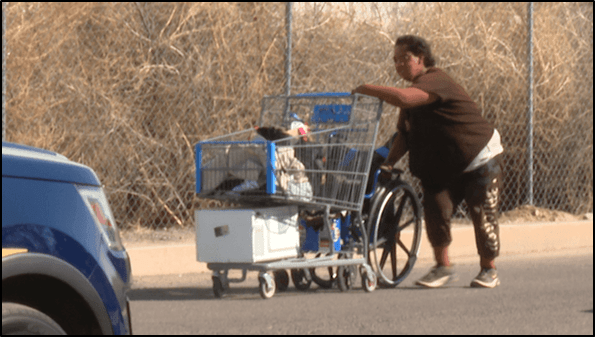
Appearances are always an issue; they can prevent many things from happening. When addressing homelessness, it’s crucial to consider the cleanliness of their clothes and belongings.
Bacteria and viruses are concerns for everyone, whether from animals or extremely dirty individuals. Society has always struggled with filth and dirt, and this issue has become even more pressing after COVID-19.
We should address this problem with laundry services, medical and hygiene programs, and possibly uniforms like jumpsuits to unify and identify these individuals.
Currently, we are using this time as a think tank; we know there are more ideas out there that can help resolve this problem, and the fact is, we need your help.
We also need to consider how homeless individuals spend their time. What can we provide or help them with to utilize their time effectively?
While mental health has become a catch-all term, we need to understand how many people fall into this category and how many just need education to get back on their feet.
Voters don’t like the idea of throwing money at them or putting them into homes without sufficient training on how to keep and live in them. The aftermath of their living conditions was the reason for the forced removals in the first place!
We must re-educate them to bring up their level of existence within our society’s rules, which will require training and classes. Cutting off food stamps or cash aid for bad actors and those who will resist is the only way to ensure they complete the courses.
We want to introduce hobbies and activities to provide a healthy outlet for those experiencing boredom and stress. Stress relief programs can be an effective way to manage and mitigate stress, offering an alternative to the quick reach for drugs.
By implementing these programs, we aim to provide constructive and engaging options that promote well-being and reduce the reliance on harmful substances.
Some ideas for hobbies and programs could include:
Arts and Crafts: Encourage creativity through painting, drawing, sculpting, and other hands-on activities.
Gardening: Offer opportunities to cultivate plants, which can be both therapeutic and rewarding.
Sports and Fitness: Organize sports teams, fitness classes, and recreational activities to promote physical health.
Music and Performing Arts: Provide access to musical instruments, singing lessons, dance classes, and theater workshops.
Educational Workshops: Host classes on various topics like cooking, coding, financial literacy, and working with tools.
Mindfulness and Meditation: Introduce programs focused on mindfulness practices, meditation, and yoga to reduce stress.