
Safety, Violence & Foundation
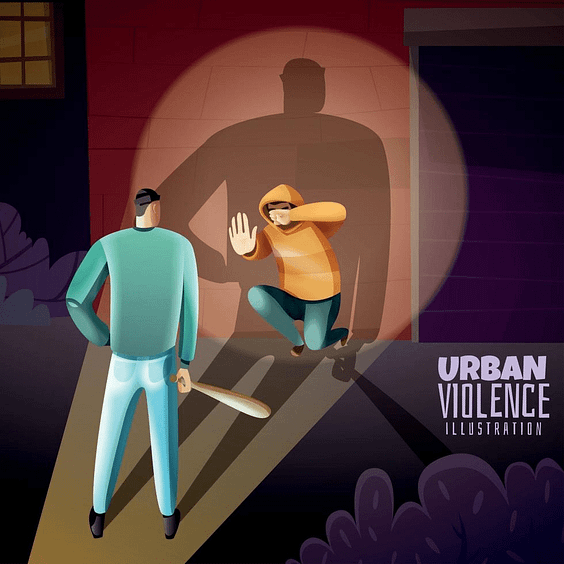
Encampment conditions, public safety concerns, and systemic harm.
Safety is the foundation of stability but for people living outside, “safety” is often the first thing taken away. Encampments face violence from strangers, institutions, and the environment itself. Shelters promise protection, yet many create new forms of harm through selective rules, policing, and exclusion. This section documents the realities of danger, the systems that produce it, and the pathways to safety that actually work.
The Hidden Weapon Against the Homeless
Violence Against People Who Are Homeless: The Hidden Epidemic
The Dangers of Security Guards in Encampments
Caught on Camera: Female Security Guard Assaults Homeless
Taco Bell Security Guard Fired
Burned Fingers and the Bruised Steal
SELECTIVE SAFETY CHECKLIST
————————–
These are the rules that claim to protect but often exclude.
[ ] CURFEWS
Do they account for night workers, trauma responses, or medical needs?
[ ] ID REQUIREMENTS
Are people punished for losing documents during sweeps?
[ ] BELONGINGS LIMITS
Does “safety” mean abandoning everything you own?
[ ] BEHAVIORAL SCREENINGS
Are trauma symptoms mistaken for noncompliance?
[ ] PARTNER SEPARATION
Does safety require breaking up families?
[ ] PET BANS
Are people forced to choose between shelter and their companion animal?
[ ] ZERO-TOLERANCE RULES
Do they remove people for being human instead of being dangerous?
[ ] SECURITY PRESENCE
Does protection feel like policing?
————————–
TRUE SAFETY IS INCLUSIVE.
IF IT EXCLUDES, IT ISN’T SAFE.
————————–
“The Night the Lights Went Out’
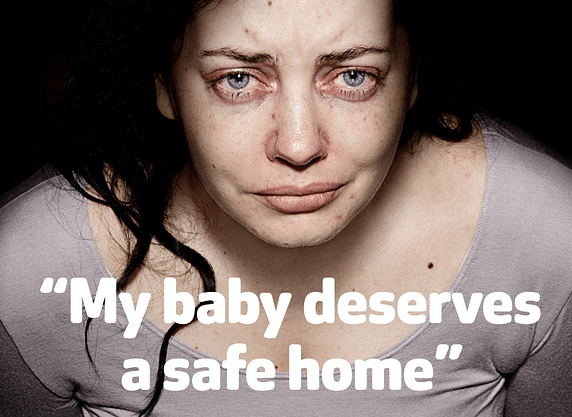
Safety is not the absence of danger. It’s the presence of dignity. A city that polices encampments but underfunds stability creates the very harm it claims to prevent.
Shelter Outline: The Network’s model begins where traditional systems fail with inclusion, protection, and the belief that safety must be built with people, not enforced against them.