
4. Relationships with Homelessness
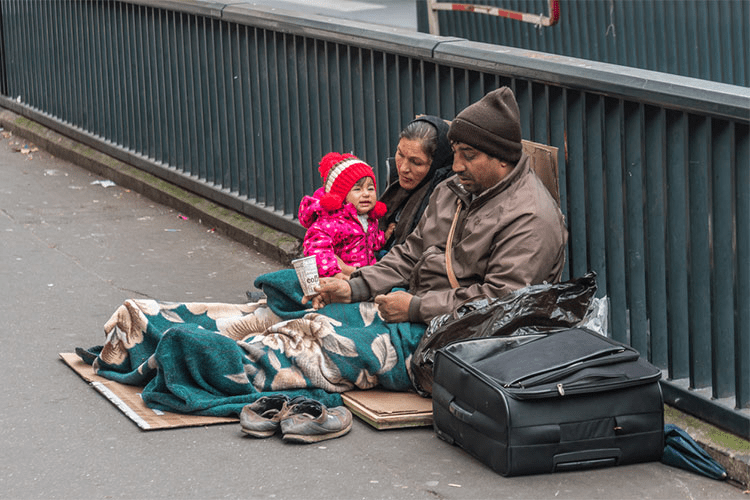
Traditional relationships don’t survive homelessness not environmental, not intimate, not public. The streets rewrite the rules.
Environmental Relationships
Most people grow up learning to pick up after themselves. But long enough on the streets and a new mindset takes over: Take and Waste.
Not because people don’t care but because survival pushes everything else out of view. When you’re fighting to stay warm, dry, fed, and safe, environmental accountability becomes a luxury.
Intimate Relationships
There’s no “getting to know you” phase. No dating. Dating costs money. Privacy doesn’t exist. Hygiene is inconsistent. Sex becomes mechanical, stripped of romance, reduced to survival and instinct. Even acts of intimacy are shaped by sanitation fears and the lack of safe spaces.
Public Relationships
This one is the most volatile.
Tolerance levels are razor‑thin. One-minute things are calm, the next they’re hostile. Not because people are “bad actors,” but because every small irritation stacks on top of exhaustion, hunger, trauma, and unmet needs. Eventually, the smallest thing becomes the breaking point.
To counter this, today’s helpers must recognize the real culprits.
It isn’t just individual behavior.
It’s the growing number of organizations that help only a select few or offer resources that last only a short time. It’s the inconsistency, the scarcity, the broken promises.
Frustration comes in many forms.
Fixing it requires a new approach.
Shelter Outline is stepping into that space bringing transparency, common sense, and a plan that gives everyone a fair chance to benefit from the tax dollars meant to support them.
By the Street Sentinel