
Protecting, not Policing:
Ensuring Safety in Homeless Encampments
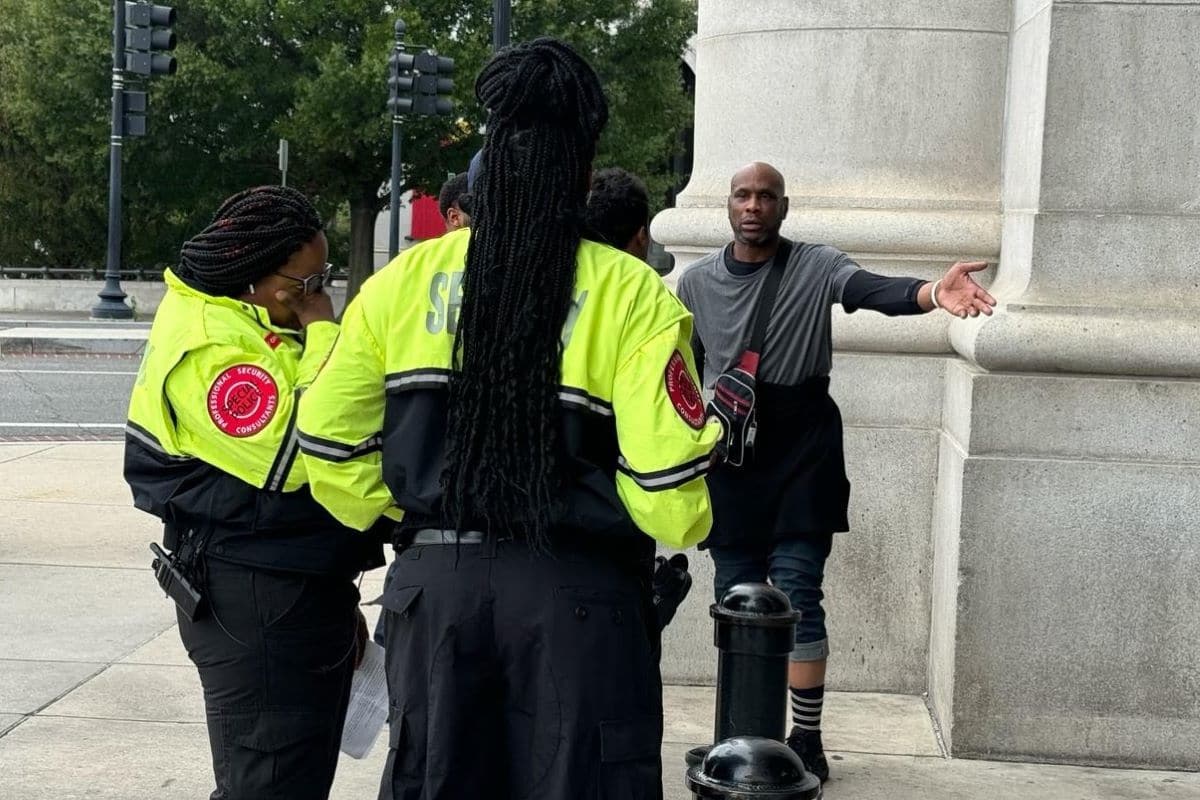
In the heart of Stockton, CA, a compassionate initiative aims to provide shelter and essential services to those experiencing homelessness.
As this project, led by What Joe Sees, takes shape, a crucial aspect under consideration is the implementation of security measures within the encampment. However, ensuring safety without overstepping boundaries is a delicate balance.
Here’s why it’s vital to distinguish the roles of security guards from those of police officers and how we can protect both the homeless population and the integrity of our efforts.
The Potential Dangers
1. Excessive Use of Force
Security guards often lack the extensive training that police officers receive, particularly in handling volatile situations with the appropriate level of force. This gap can lead to instances where security guards may unintentionally escalate situations, causing harm rather than ensuring safety. The consequences of such actions can be severe, both for the individuals involved and for the organization’s reputation.
2. Lack of Accountability
Unlike police officers, who operate under strict regulatory frameworks and oversight, private security guards typically function with less scrutiny. This lack of oversight can result in abuses of power, where actions go unchecked, potentially leading to unjust treatment of the encampment residents.
3. Legal and Civil Rights Issues
When security guards take on roles akin to those of police officers, the line between maintaining order and violating civil rights can become blurred. Unauthorized searches, detentions, or use of force can lead to legal challenges against the organization, placing it at risk of lawsuits and damaging its credibility.
4. Increased Tension
The presence of security guards acting like police officers can create an environment of fear and tension among encampment residents. Instead of feeling safe and supported, individuals may feel threatened, leading to heightened anxiety and potential conflicts within the community.
5. Misunderstanding of Roles
Security guards may not fully understand the legal and social nuances of working with homeless populations. This lack of understanding can result in actions that are inappropriate or harmful, undermining the organization’s efforts to provide a safe and supportive environment.
Proactive Measures to Ensure Safety and Prevent Issues
1. Clear Role Definition
It’s essential to clearly define the roles and responsibilities of security guards to ensure they do not overstep their boundaries. Guards should be well-informed about their scope of duties and the importance of respecting the rights and dignity of residents.
2. Training and Education
Providing comprehensive training on conflict resolution, de-escalation techniques, and the rights of homeless individuals is crucial. This education helps security personnel handle situations with sensitivity and care, reducing the risk of escalation.
3. Oversight and Accountability
Establishing oversight mechanisms to monitor the actions of security guards ensures accountability. Regular audits and reviews can help identify and address any issues promptly, maintaining trust and transparency within the encampment.
4. Community Engagement
Involving community members and homeless advocates in the planning and implementation of security measures ensures that these measures are fair and respectful. This engagement builds trust and fosters a collaborative approach to safety.
5. Legal Compliance
Ensuring that all actions taken by security guards comply with local, state, and federal laws is fundamental. Adherence to legal standards minimizes the risk of lawsuits and protects the rights of residents.
6. Regular Reviews
Conducting regular reviews and audits of security practices allows for continuous improvement. These reviews help ensure that security measures remain effective and aligned with the organization’s mission.
7. Collaboration with Law Enforcement
Working closely with local law enforcement ensures a coordinated and appropriate response to any incidents. This collaboration helps maintain order while respecting the distinct roles of security guards and police officers.
8. Use of Drug-Sniffing Dogs
Implementing the use of trained drug-sniffing dogs to check for contraband can help maintain a drug-free environment. Ensuring that these practices comply with privacy laws is essential to protect residents’ rights.
9. Video Surveillance for Abuse Detection
Utilizing video surveillance to monitor for signs of abuse or misconduct provides a layer of protection for residents. Transparent policies and respect for privacy rights are crucial in implementing this measure.
Conclusion
At What Joe Sees, our mission is to provide a safe haven for those experiencing homelessness, offering not just shelter but a pathway to a better future.
By carefully defining the roles of security personnel, providing thorough training, and ensuring accountability, we can protect our residents and uphold our commitment to human dignity. Our approach to security is about protecting, not policing, creating a community where everyone feels safe, respected, and valued.
Together, we can make a difference, ensuring that our efforts to support the homeless population are both effective and compassionate.
By the Street Sentient