
Privacy & Dignity
The hidden cost of group shelters: lost belongings, unsafe spaces, and no dignity.
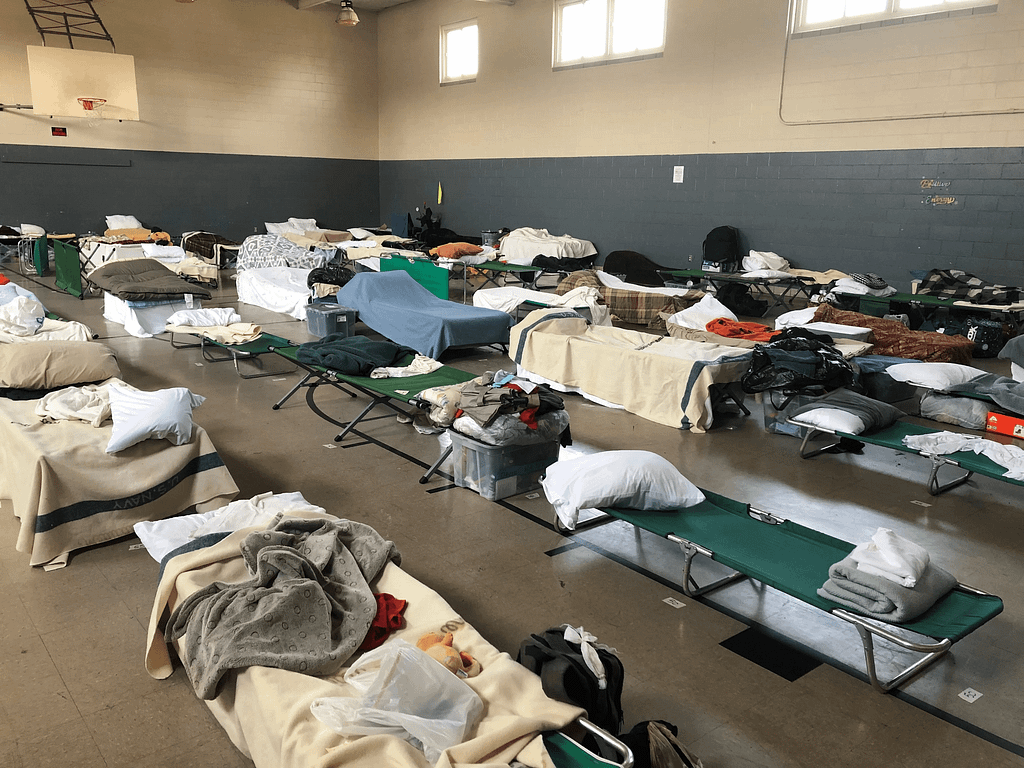
Why Privacy Matters When You Don’t Have Any
For many people experiencing homelessness, the offer of “a bed for the night” comes with hidden risks. Group‑style shelters often rely on a one‑size‑fits‑all model because it’s cheaper and easier to manage. But for the person walking in, that model can mean losing the last of their belongings, being bullied or threatened, or having no control over their personal space. Privacy isn’t a luxury it’s safety… stability, and dignity.
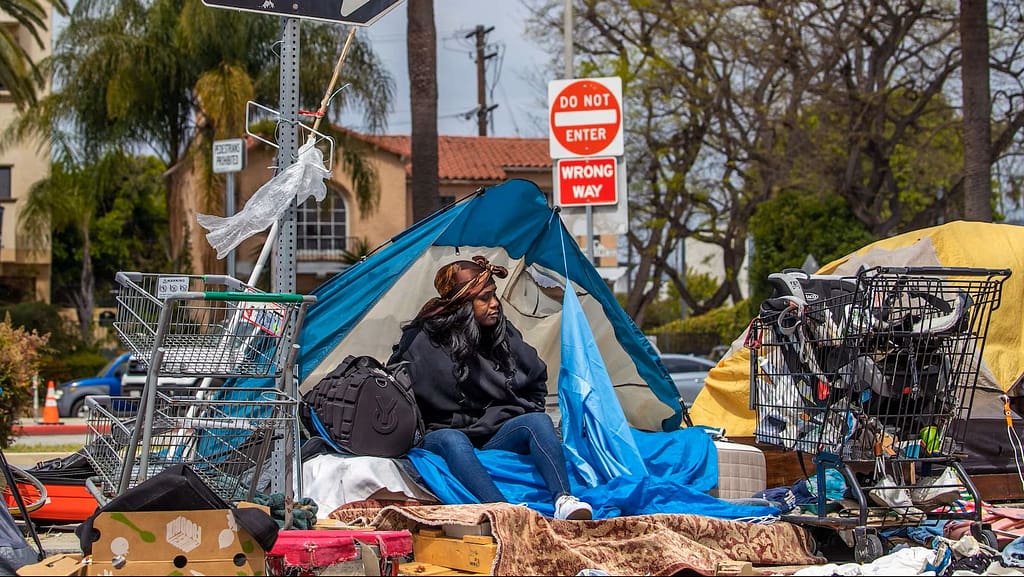
What People Carry Matters
Someone who has lived on the streets, even briefly, will accumulate belongings that outsiders dismiss as “junk.” But these items are survival tools, memories, and the last pieces of a life they’re trying to hold onto. When carrying space runs out, things get left behind. When sweeps happen, everything gets taken. These losses aren’t minor, they’re devastating.
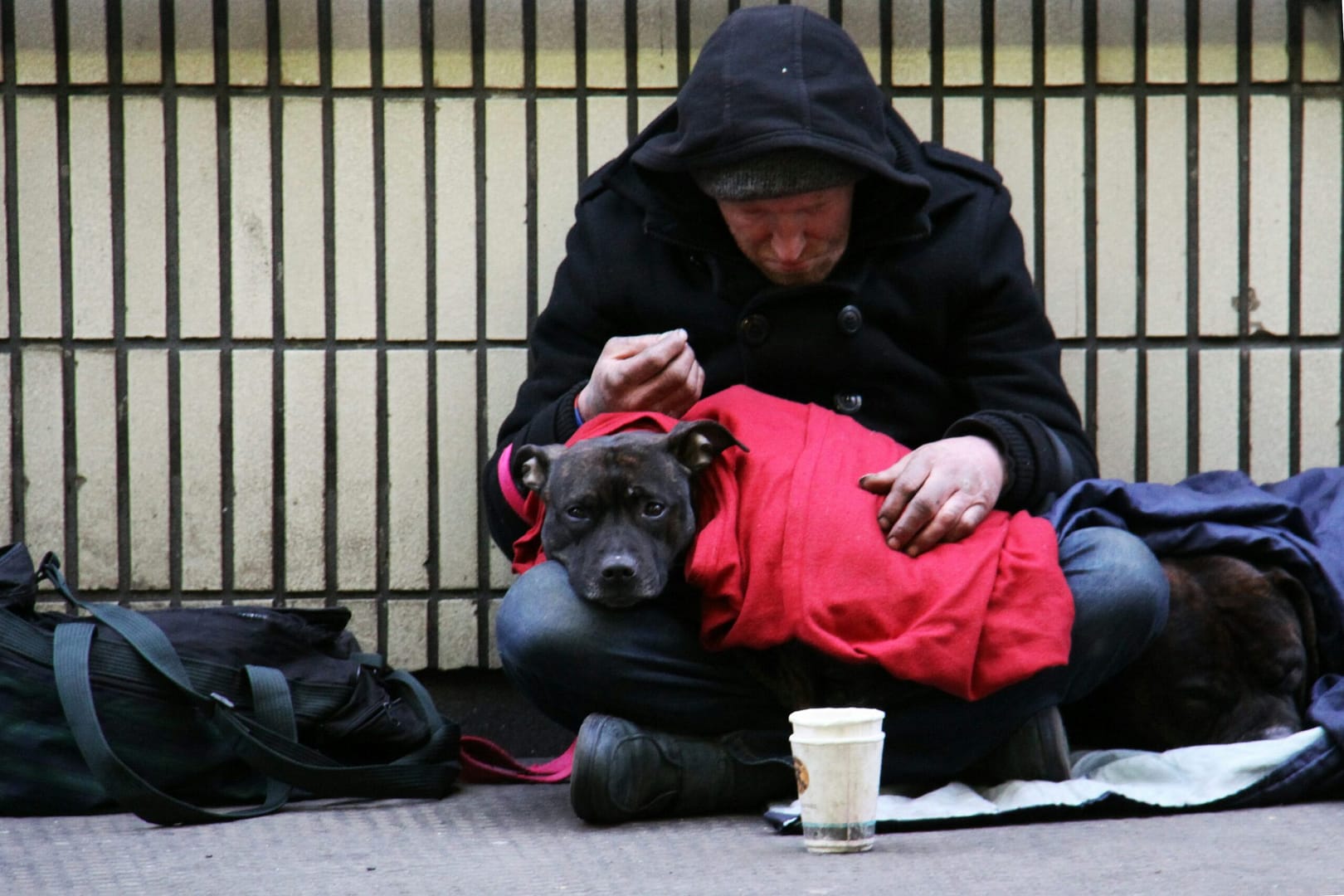
Pets Are Family, Not Obstacles
For many unsheltered people, the only consistent relationship they have left is with a pet. A dog or cat becomes family, protection, emotional grounding, and companionship in a world that has stripped everything else away. When shelters say “no pets allowed,” they’re not enforcing a rule they’re forcing someone to abandon the one being who has never abandoned them. Most won’t do it. And they shouldn’t have to.
Privacy & Dignity Pillars
1. Personal Space Is Safety
Crowded dorm‑style shelters increase the risk of theft, harassment, and assault. Privacy reduces harm.
2. Belongings Are Stability
What someone carries is often all they have left. Losing it means starting over again and again.
3. Pets Are Family
Companion animals are emotional support, protection, and connection. Excluding them excludes people.
Stories & Commentary
Privacy Is an Issue Especially When You Don’t Have It
Shelters often rely on a “group them all together” model. On paper, it makes sense: budgets are tight, space is limited, and grouping people is cheaper than designing for dignity. But for the person walking through those doors, the offer of “a bed for the night” can come with a real cost the risk of losing the last of their belongings, or being bullied, threatened, or assaulted.
People living on the streets, even for a short time, accumulate belongings that outsiders dismiss as “junk.” But to them, these items are survival tools, memories, and the last pieces of a life they’re trying desperately to hold onto. They carry what they can, and when they run out of space, things get left behind. This is why sweeps are so devastating: they don’t just take objects they erase what little stability someone has managed to build.
And for many, the only consistent relationship they have left is with a pet. A dog or cat becomes family, protection, emotional grounding, and companionship in a world that has stripped everything else away. So, when a shelter says, “No pets allowed,” it’s not a small rule. It’s a demand that someone abandon the one being who has never abandoned them.
Most won’t do it. And they shouldn’t have to.
Related Catalog Pages
- Safety & Violence
- Homeless Pets & Companion Animals
- Shelter Models & Alternatives
- Sweeps & Displacement
Closing Statement
Privacy isn’t optional. It’s the foundation of dignity, safety, and trust. When shelters ignore this, people stay outside not because they want to, but because the alternative is worse. A dignity‑centered system must protect belongings, respect personal space, and welcome the companions who make survival possible.