
Preventive Maintenance:
What Trinity Parkway Could Have Been
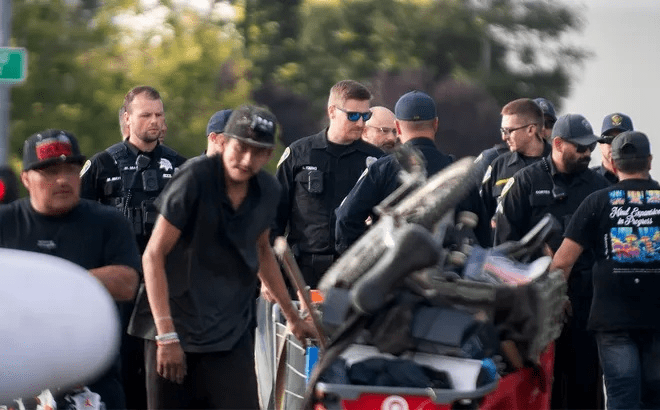
By the Street Sentinel
For more than a decade, the Trinity Parkway encampment existed in plain sight. People lived there, raised pets there, built routines there, and survived there. It wasn’t perfect no encampment is, but it was a community. And like any community, it needed maintenance, structure, and support.
Instead, it was ignored until it became a “problem,” and then it was destroyed.
But here’s the truth no one wants to say out loud:
It didn’t have to end that way.
Shelter Outline Network could have stabilized that encampment years before the sweep. Not with force. Not with police. Not with threats. But with preventive maintenance the same basic care any neighborhood receives.
What Preventive Maintenance Would Have Looked Like
1. Timely Cleanups (Weekly or Bi‑Weekly)
Not a sweep.
Not a forced clearing.
Just predictable, respectful trash removal with residents involved and belongings protected.
2. Food Trucks & Water Stations
Scheduled, reliable access to food and hydration.
Not charity infrastructure.
3. Wash Trucks & Hygiene Support
Mobile showers, laundry access, and hygiene kits.
A clean camp is a stable camp.
4. Portable Restrooms
The single biggest factor in reducing complaints, waste, and health issues.
Cities provide these at festivals, parks, and construction sites why not here?
5. A Temporary Dog Area
A fenced space where pets could run, socialize, and stay safe.
This alone would have reduced conflict, stress, and animal control involvement.
6. Community Agreements
Not rules imposed from above agreements built with residents.
Shared expectations. Shared responsibility. Shared dignity.
7. A Resident‑Led Maintenance Team
People living there could have been paid stipends to help maintain the site.
This builds pride, ownership, and stability.
The Result?
A clean, organized, predictable encampment.
A community with structure instead of chaos.
A site the city could work with instead of fear.
A place where people could live without being treated like a nuisance.
What Happened Instead
The city waited until the camp became “too visible,” “too messy,” or “too political.”
Then they sent trucks, officers, and a deadline.
Fifteen people lost everything that day.
Not because they failed but because the system failed them.
The Lesson
Encampments don’t collapse because people are unhoused.
They collapse because cities refuse to maintain them.
Preventive maintenance isn’t charity.
It’s public health, public safety, and public dignity.
And Shelter Outline Network is ready to build the model Stockton never tried.