
The Problem is Not Going Away:
The Harsh Realities of Homelessness
Homelessness follows a grim trajectory, evolving through different stages that offer little improvement over one another. Number one is the Unsheltered individual who is exposed to the elements, with no possessions beyond the clothes on their backs. Their only advantage, if it can be called that, is the ability to move freely.
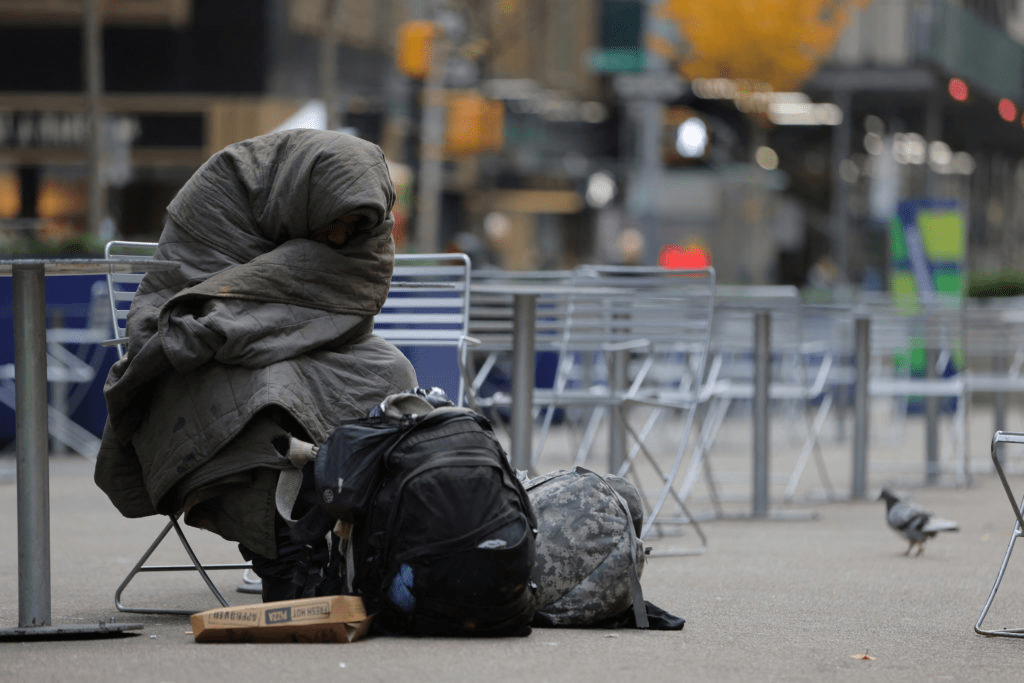
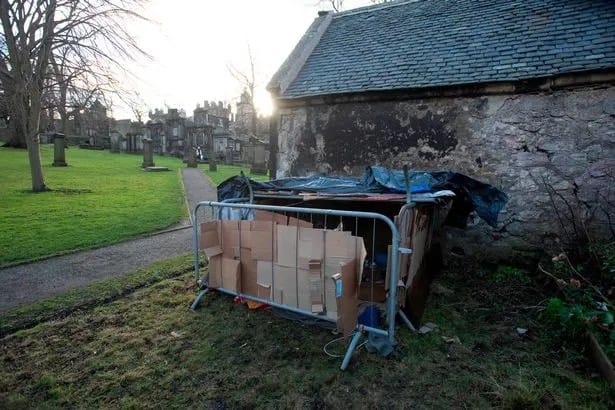
The second type is the Makeshift accommodation, shelters constructed from found materials. They only provide brief protection but fall apart quickly, offering no true security.
Then there is the covered shelter, often tents, which provide some durability, but they degrade over time and can be stolen or damaged.
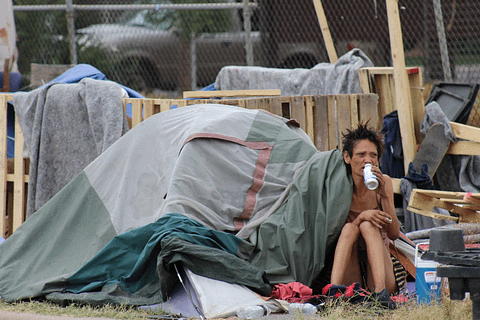
A homeless woman is sitting in front of her makeshift home.
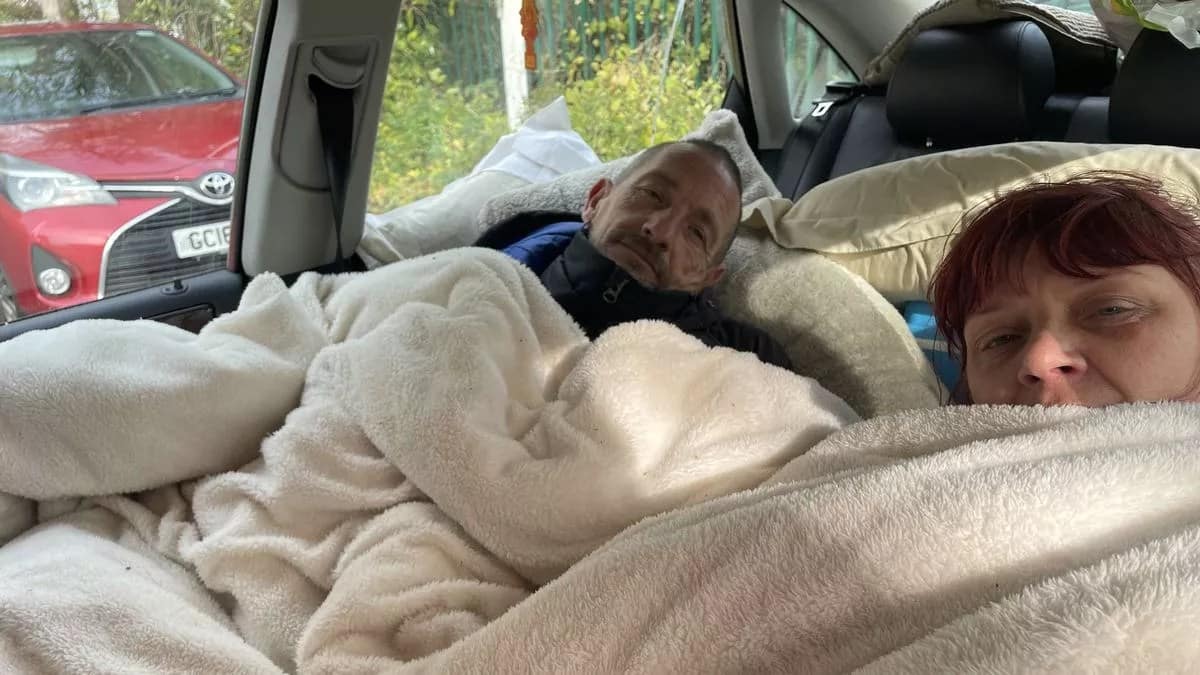
Another kind of housing is the Temporary mobile shelters, RVs, or cars,which offer slightly more stability but remain vulnerable to relocation laws or impoundment.
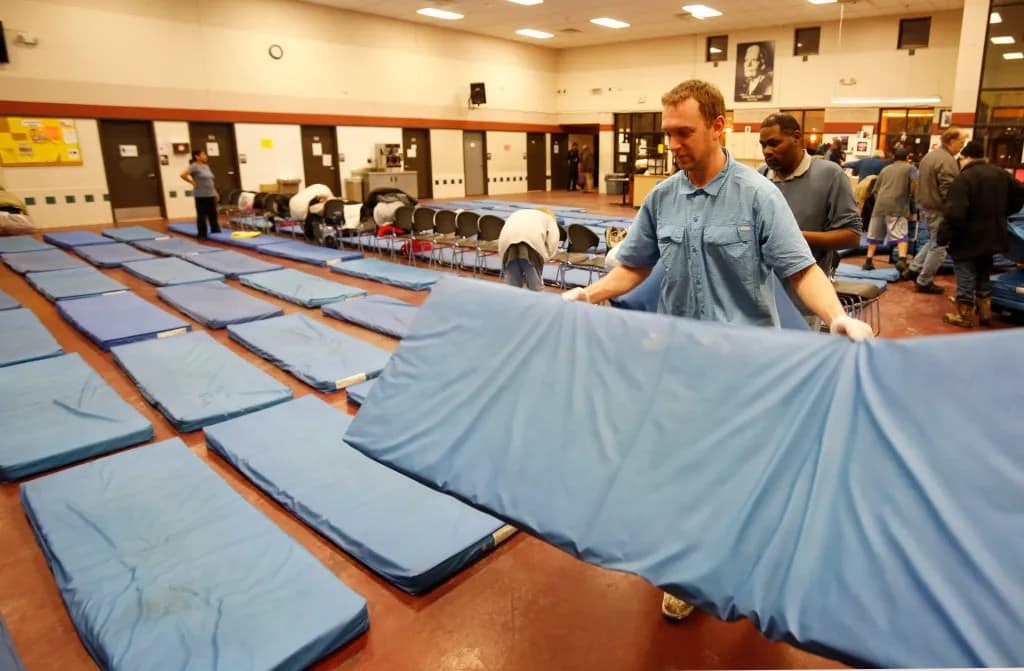
The supposed final step that you can achieve is to get into a brick-and-mortar shelter. Unfortunately, this is where the system’s failures become painfully evident.
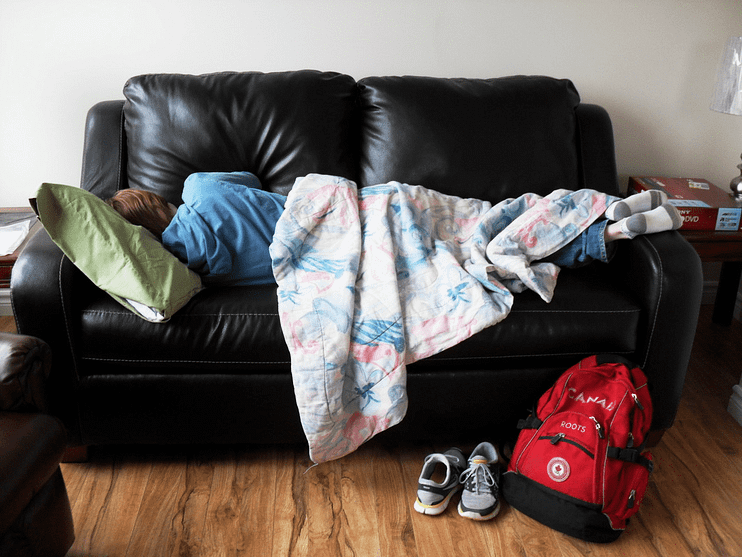
And the latest type is Couch Surfing – It’s sleeping on different couches from friends, neighbors, and families, or abandoned couches found in the streets.
Shelters are often advertised as safe havens, yet many homeless individuals avoid them. These spaces, meant to serve as a bridge to reintegration, frequently become breeding grounds for crime and exploitation.
Predatory actors target vulnerable individuals, sometimes trapping them in cycles of addiction and dependency. While shelters attract donations and relief services, they fail to provide reliable pathways back into society. The homelessness crisis persists not merely due to a lack of housing, but because deeper issues, such as security, rehabilitation, and systemic reform, remain unaddressed.
By the Street Sentinel