
Not First Come, First Served:
The Reality of Shelter Access
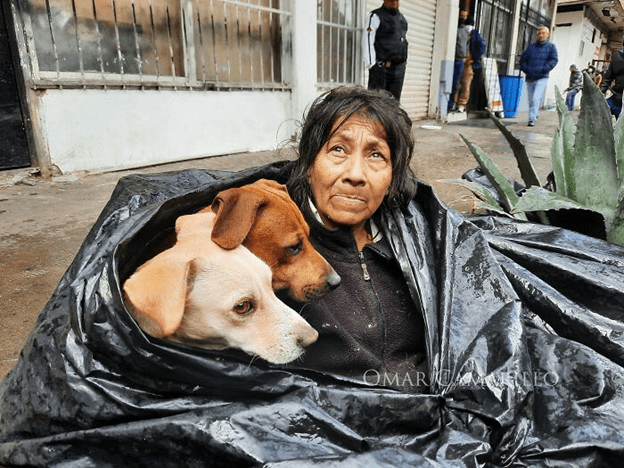
By Joseph Marshall
Summary: Shelters prioritize those most likely to reintegrate quickly. Those with severe challenges mental illness, addiction often get left behind, despite their urgent need for help.
Society often assumes that shelters and vouchers operate on a simple first-come, first served basis. The truth, however, is far more strategic and, to some, unfair.
When a person or family seeks assistance from the system, they aren’t simply placed at the front of the line based on urgency. Instead, they are assessed through a rigorous set of criteria. The individuals most likely to successfully reintegrate with those who just need a push to resume stability are the ones prioritized for shelter and voucher assistance.
For many, this makes logical sense. A program’s success is often measured by how efficiently it can transition people back into independent living. But this approach also creates a stark divide, leaving behind those whose circumstances are far more complex those suffering from deep-rooted trauma, long-term addiction, or severe mental illness.
A homeless individual who is simply jobless but mentally stable will likely secure a bed far faster than one battling schizophrenia or addiction relapses. These systemic decisions stem from the institution’s survival strategy funders and policymakers need results, and statistics drive change. Yet this reinforces cycles of displacement, ensuring the most vulnerable populations remain on the fringes of society, struggling without hope.
Consider Sarah, a single mother who lost her job due to layoffs. She has no criminal record, no addictions, and she’s spent years paying rent on time before her sudden financial instability. Within weeks, she qualifies for a shelter placement and rapid housing voucher.
Now contrasts her story with Marcus, a veteran battling severe PTSD and alcohol dependency. Despite his efforts, his condition limits his ability to hold steady work, and shelters categorize him as a “low reintegration likelihood” case. He is deemed a financial risk, and without strong advocacy or specialized intervention, he may never receive structured assistance.
For many families, this approach represents cold calculation rather than compassionate aid. While shelters must maintain efficiency, the hidden truth remains those who are most in need of help often face the greatest obstacles in receiving it.
To truly disrupt this cycle, policy shifts must prioritize holistic care, integrating mental health services directly into shelters and allowing greater flexibility for those with high-risk profiles. Advocacy must shift from “reintegration likelihood” to actual need, ensuring that success metrics align with long-term stability, not just temporary results.
In the fight against homelessness, real change begins when we acknowledge who’s being left behind.
Disclaimer: This is a work of fiction. Names, characters, places, and incidents are either the product of the author’s imagination or are used fictitiously. Any resemblance to actual persons, living or dead, events, or locales is entirely coincidental. The author does not endorse or condone any actions or behavior depicted in this story. Any opinion expressed is solely those of the characters and does not reflect the views of the author or any affiliated entities.