
No More in Parks:
A New Law’s Impact on the Homeless
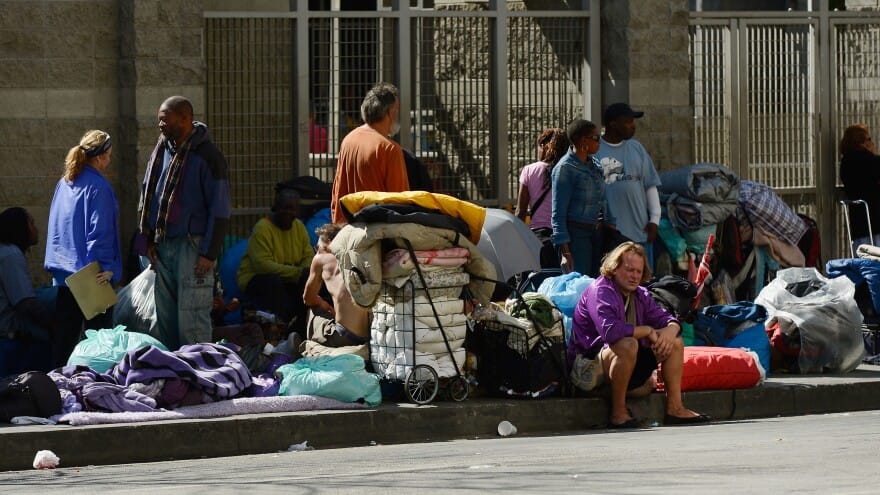
In the heart of Riverside, a bustling city known for its sprawling parks and green spaces, a new law was passed with the intent to preserve the beauty of public areas. The law, however, had a significant impact on one of the city’s most vulnerable populations: the homeless. The legislation prohibited homeless individuals from sleeping in public spaces, including parks.
For many like Mark, a man who had called Riverside’s parks his home for years, this law was a devastating blow. Mark’s story was one of survival and resilience, navigating the challenges of homelessness with the small sense of stability that the parks provided. As the sun set over the city, the once familiar sights of makeshift tents and sleeping bags in the parks were replaced by an eerie emptiness.
Mark wandered the streets, searching for a new place to rest his weary head. The law had been enforced swiftly, leaving him and many others without a safe place to sleep. Community leaders and advocates were quick to voice their concerns. The law, while aimed at maintaining public order, failed to address the root causes of homelessness.
Instead of providing solutions, it simply pushed the problem out of sight. Shelters were overcrowded, and resources were already stretched thin. Mark found himself in a precarious situation. The parks had offered a semblance of community and safety, a place where he knew he could find others in the same plight.
Now, with the law in place, he was forced to navigate unfamiliar and often unsafe areas of the city. Advocacy groups rallied together, pushing for more comprehensive solutions. They argued that criminalizing homelessness did nothing to solve the underlying issues of poverty, mental health, and lack of affordable housing.
Their voices echoed through the city halls, calling for an approach that combined compassion with practicality. The city of Riverside began to listen. Local officials worked with nonprofits and community organizations to develop alternative solutions.
Temporary housing programs were expanded, and more resources were allocated to mental health services and job training programs. Mark eventually found a place in one of the new temporary housing facilities. It wasn’t a permanent solution, but it offered stability and a chance to rebuild his life.
The facility provided not just a roof over his head, but also access to support services that helped him address the challenges that had led to his homelessness. The story of Riverside and its new law became a lesson in the complexities of addressing homelessness.
It highlighted the need for thoughtful and compassionate solutions that went beyond merely enforcing rules. The impact on individuals like Mark served as a reminder that every person deserves dignity and the opportunity to find their way back to stability. In the end, the city’s journey was a testament to the power of community and the importance of empathy.
By working together and listening to those most affected, Riverside moved towards a future where public spaces could be enjoyed by all, without sacrificing the well-being of its most vulnerable residents.
By the Street Sentinel