
Minerals:
The Quite Foundation of Human Health
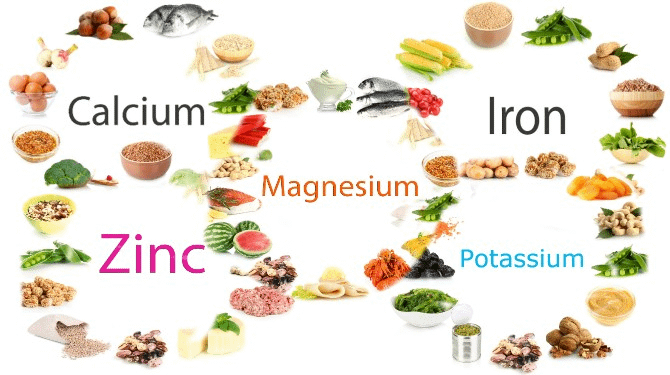
Minerals don’t get the same attention as vitamins, protein, or calories but they’re the structural backbone of human health. Every cell, every organ system, every electrical signal in the body depends on a steady supply of essential minerals. When mineral levels fall out of balance, the effects ripple through everything from energy levels to immune function.
Why Minerals Matter
Minerals are naturally occurring elements that the body cannot make on its own. They support critical functions such as:
- Building and maintaining strong bones and teeth
- Regulating heart rhythm and muscle contraction
- Supporting brain and nerve function
- Carrying oxygen through the bloodstream
- Balancing fluids and electrolytes
- Helping enzymes convert food into usable energy
The body can survive short periods without certain vitamins, but it cannot function at all without minerals. They are the foundation that everything else builds on.
Two Types of Minerals
Bulk (Microminerals)
Needed in larger amounts:
- Calcium
- Magnesium
- Potassium
- Sodium
- Phosphorus
Trace Minerals
Needed in smaller amounts, but still essential: - Iron
- Zinc
- Copper
- Selenium
- Iodine
- Manganese
- Chromium
Even tiny imbalances can affect health. For example, too much zinc can reduce copper levels, and excess calcium can interfere with magnesium absorption. Balance matters as much as intake.
Where Minerals Come from Minerals originate in soil and water. Plants absorb them, animals eat the plants, and we get minerals through the foods we eat. But several modern factors can reduce mineral content in food:
- Soil depletion from industrial farming
- Heavy use of chemical fertilizers and pesticides
- Food processing, freezing, and long storage times
- Cooking methods that leach minerals into water Certain groups children, pregnant people, older adults, and individuals recovering from illness may have higher mineral needs.
Are You Getting Enough?
Most people don’t track mineral intake, and deficiencies often develop slowly. Signs can include fatigue, muscle cramps, irregular heartbeat, weakened immunity, brittle bones, or difficulty concentrating. These symptoms overlap with many conditions, so the safest approach is to focus on a varied, nutrient‑dense diet.
Food First, Supplements Second Whole foods naturally contain minerals in balanced proportions. Good sources include:
- Leafy greens
- Nuts and seeds
- Beans and lentils
- Whole grains
- Dairy or fortified alternatives
- Lean meats and seafood
- Fruits and vegetables grown in mineral‑rich soil Supplements can help when dietary intake is low, but they should be used carefully more is not always better.
The Bottom Line
Minerals are essential to every part of human health. They support growth, stability, energy, and long‑term resilience. Whether through food or supplements, maintaining balanced mineral intake is a simple but powerful step toward overall well‑being.
By Shelter Outline: The Network