
Mental Illness: Are We Really
the Ones Responsible for its Growth?
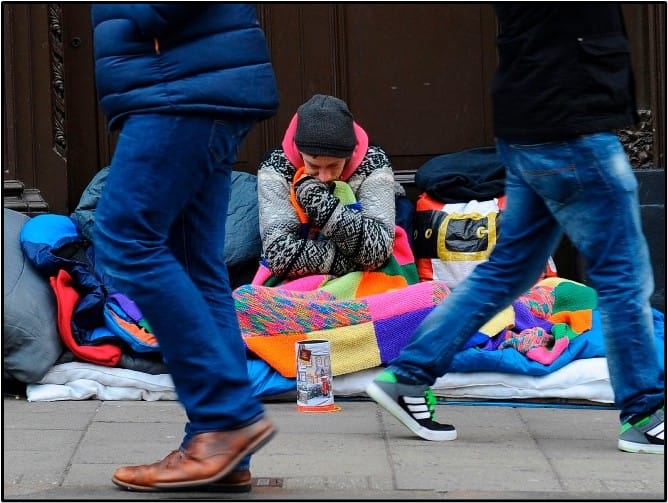
The main reason for mental illness is basically trauma, which is generally caused by heavy stressful situations; the usual methods are family, sex, drugs, and violence. But with the homeless, you must add social abuse; that’s when people don’t acknowledge them, and most importantly, don’t really want to help them.
In a city bustling with life, amid the noise and movement, there was a silent epidemic growing unnoticed. The streets were home to many, but few caught the eye like David. David once had a family, a stable job, and dreams. However, life’s unpredictable storms had stripped him of these comforts, leaving him to navigate the harsh reality of homelessness.
David’s descent into mental illness began with trauma. Years of family abuse had left deep scars on his psyche. The violence and neglect he experienced at home were only compounded by the sexual abuse he endured from a supposed family friend. These heavy burdens broke his spirit, leaving him vulnerable and desperate.
When David found himself on the streets, the trauma only intensified. Society’s indifference became another form of abuse. People would pass by, avoiding eye contact, pretending not to see him. The social isolation and neglect fed his growing mental health issues. Without acknowledgment, he felt invisible, as if his existence was a burden to the world.
Each day was a struggle for David, not just for survival but for his sanity. The constant stress and lack of support pushed him further into the depths of his mental illness. He sought help but found himself tangled in a web of bureaucratic red tape and impersonal systems. The few moments of kindness he encountered were rare and fleeting.
One day, David met Sarah, a social worker with a heart of gold. Sarah had seen many like David and understood the importance of acknowledging their existence. She took the time to listen to his story, offering more than just temporary relief. Sarah believed in addressing the root causes, providing not just shelter but also counseling and long-term support.
With Sarah’s help, David started to reclaim pieces of his shattered life. He received therapy to cope with his past traumas and began to see a glimmer of hope. The journey was slow and painful, but having someone who genuinely cared made all the difference.
David’s story is a stark reminder that mental illness among the homeless is often fueled by trauma and exacerbated by society’s neglect. It highlights the importance of acknowledgment, empathy, and comprehensive support to help individuals like David to be able to heal and rebuild their lives.
Disclaimer: This is a work of fiction. Names, characters, places, and incidents are either the product of the author’s imagination or are used fictitiously. Any resemblance to actual persons, living or dead, events, or locales is entirely coincidental. The author does not endorse or condone any actions or behavior depicted in this story. Any opinion expressed is solely those of the characters and does not reflect the views of the author or any affiliated entities.
By the Street Sentinel