
🧠 Mental Health & Misdiagnosis🧠
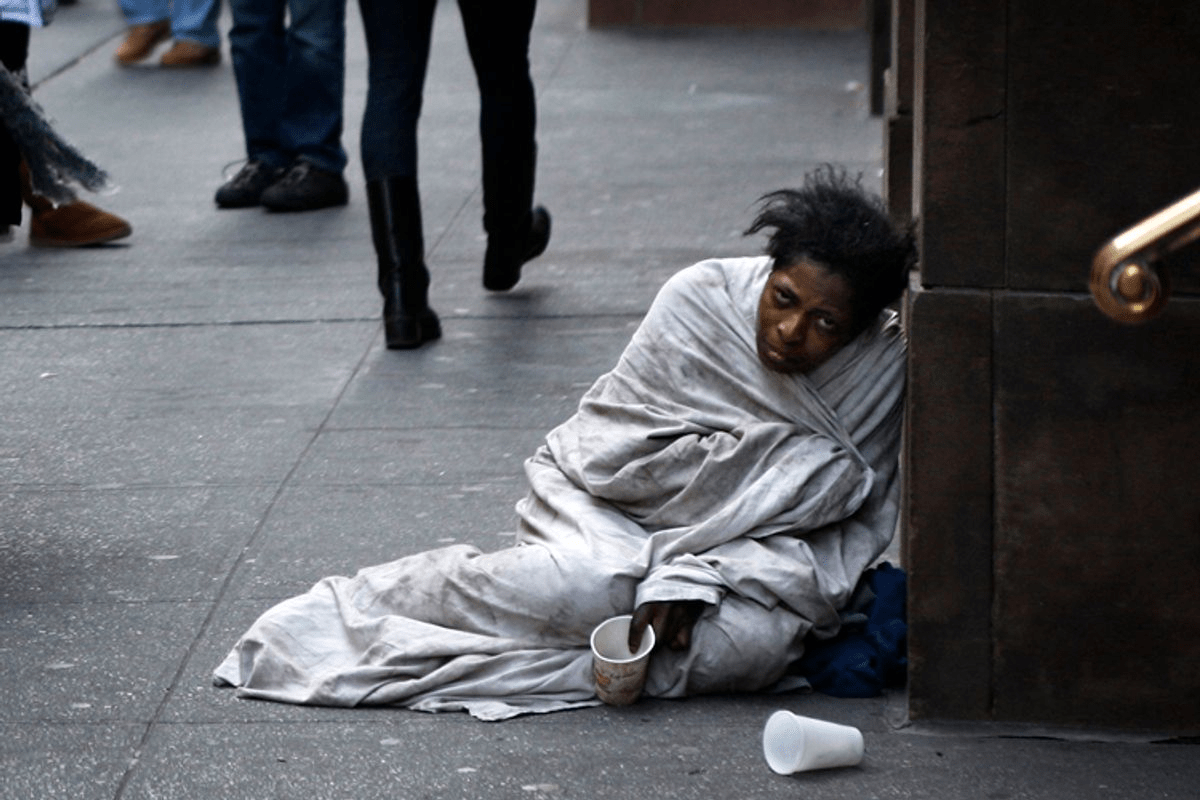
Mental health on the streets is not a mystery. It’s a reaction. Grief, trauma, loss, sleep deprivation, and constant threat reshape the mind long before a clinician ever enters the picture. But instead of listening, the system often labels, medicates, and pathologizes survival. This section explores how misdiagnosis happens, why it matters, and what dignity‑centered care should look like.
🔍 Summary:
He was grieving. They called it psychosis. He asked for therapy. They gave him a 72-hour hold. The system didn’t listen. It diagnosed.
📂 Entry Content:
“They said I was manic. I said I was mourning. They said I was paranoid. I said I’d been followed.”
His intake lasted 15 minutes. His diagnosis lasted years. Each provider added a new label. None asked about loss. None asked about trauma. None asked about displacement. He was medicated into silence, then discharged for being “unengaged.”
When he refused another evaluation, they flagged him as service resistant. He called it self-preservation.”
🔧 Suggested Modules:
- 🧾 Diagnostic Flipbook: Show evolving labels vs. lived reality.
- 💬 Quote Carousel: Rotate quotes from intake forms, discharge notes, and survivor testimony.
- 📋 Mini Poll: “What’s more dangerous?”
A. Misdiagnosis
B. Overmedication
C. Isolation
MENTAL HEALTH & MISDIAGNOSIS PILLARS
These are the patterns that shape how people are misunderstood.
[ ] TRAUMA MISREAD AS ILLNESS
Hypervigilance, fear, and grief are often labeled as disorders.
[ ] SPEED OVER CONTEXT
Fifteen‑minute intakes become lifelong diagnoses.
[ ] MEDICATION BEFORE MEANING
Pills are offered before questions are asked.
[ ] SYSTEMS THAT PUNISH SYMPTOMS
Shutdown, withdrawal, or mistrust is labeled “noncompliance.”
[ ] CULTURAL & SURVIVAL CONTEXT IGNORED
Street logic is treated as delusion instead of adaptation.
[ ] NO SPACE FOR GRIEF
Loss is pathologized instead of supported.
[ ] SELF‑ADVOCACY MISLABELED
Saying “no” becomes “service resistant.”
LISTENING IS A FORM OF CARE.
LABELS ARE NOT.
Mental health care fails when it treats symptoms instead of stories. People living outside don’t need faster diagnoses. They need providers who understand trauma, displacement, and the realities of survival. Misdiagnosis doesn’t just harm; it follows people for years, shaping how every future provider sees them. Shelter Outline: The Network stands for care that listens first, labels last, and never confuses survival with sickness.
By the Street Sentinel