
Is It Ever Too Late?
The Harsh Reality of Survival on the Streets
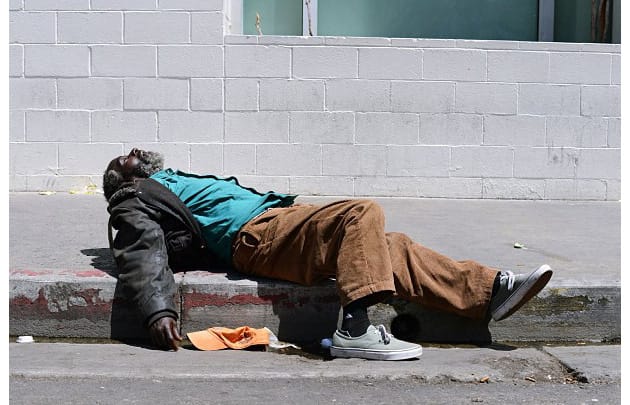
There are countless older men and women who find themselves far removed from the workforce, struggling to survive on the streets. Their days revolve around securing food from any source available, whether it’s a food bank or a discarded meal in a trash can. The idea of community, stability, and shared concern feels distant, almost unattainable.
Nights are spent finding shelter in doorways, park benches, or makeshift tents serving as fragile protection against the elements. The cold bites harder when there’s no warm bed waiting, and the rain feels more like punishment than nature’s rhythm.
In this harsh reality, survival often means taking, deceiving, and destroying. It is a world where trust is scarce, and every glance from a stranger is viewed with suspicion. What’s more heartbreaking is how many once-ordinary children, growing up in seemingly typical neighborhoods, slowly drifted into this existence, an existence where self-respect fades, and the body becomes nothing more than a bargaining tool for a meal or a hit of a drug.
The stories of these streets are etched with moments of desperation: hands reaching out for spare change, eyes that once sparkled now dulled by hardship, and voices silenced by years of being unheard.
Respect, dignity, and personal care are the first casualties of this descent. Conversations shift from genuine interaction to muttering into the void, and soon, the shame of being seen talking to oneself disappears. This is not just a loss of stability; it’s a loss of identity.
There are those who once held steady jobs, who had families, hobbies, and futures that seemed bright. But life has an uncanny way of unraveling, sometimes through the cruel twists of fate, a medical emergency, a lost job, a shattered relationship, and sometimes through choices made in moments of vulnerability. Before they know it, they are caught in quicksand, where every attempt to climb out pulls them deeper.
And yet, amidst the despair, there are glimmers of resilience. Some find solace in small acts of kindness, a stranger offering a cup of coffee, a volunteer handing out warm blankets, a fellow survivor sharing their story.
These fleeting moments of humanity remind them that they are not invisible, that even in the darkest corners, light can still seep through. For some, these sparks ignite a determination to fight back against the tide, to seek help, and to reclaim the lives they once knew. But for many, the weight of years spent in the shadows becomes too heavy to bear.
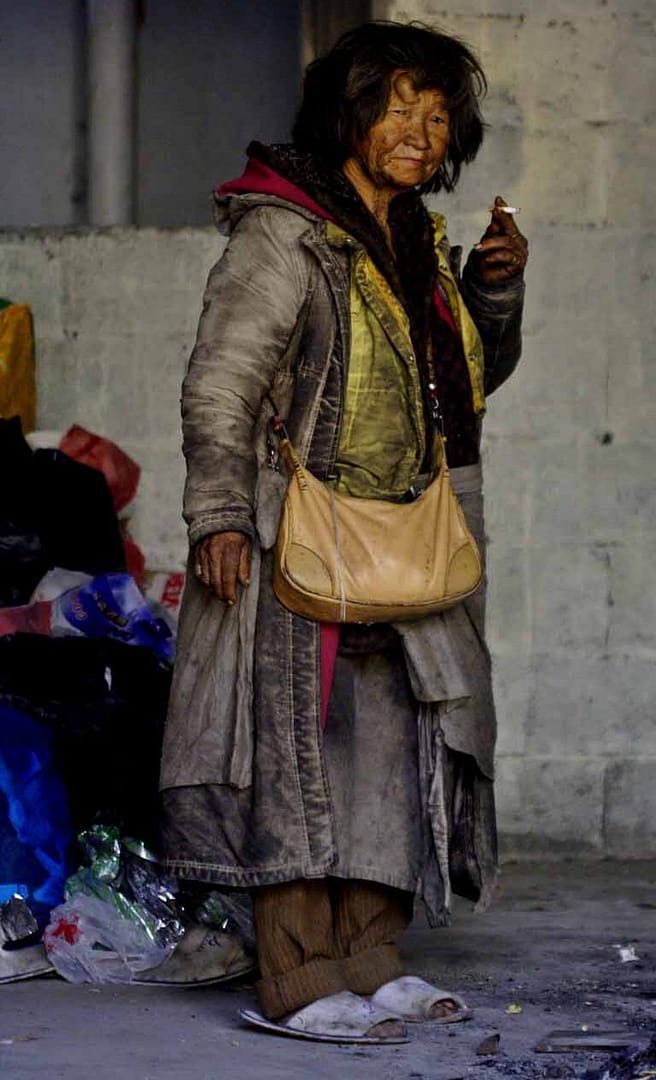
The streets tell a tale of fragility and strength, of loss and longing, of lives that could have been and lives still yearning to be. Perhaps the most haunting question in all of this is not whether it is too late for those who dwell on the margins, but whether society has the capacity to truly see them, to extend a hand without judgment, and to offer a path that leads not just to survival but to redemption. For in the end, every life matters, and every story deserves to be heard.
By the Street Sentinel