
Invisible Voices:
Homelessness in the Shadow of Migration
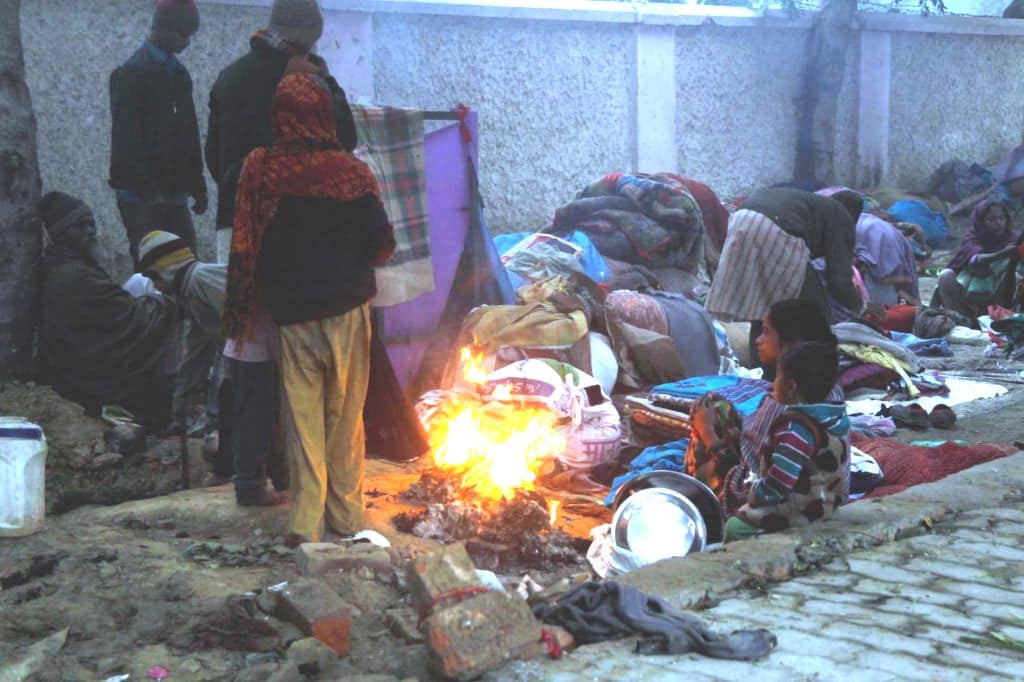
In the bustling city of Stockton, where the streets were full of life and ambition, there existed an often-unseen reality. Amid the sea of people chasing dreams and opportunities were the invisible voices of those who had fallen through the cracks and found themselves homeless.
Among them was Emily, a woman whose life had taken a series of unfortunate turns. Once a vibrant member of the community, she now navigated the city’s alleys and shelters, each day a struggle for survival. Emily’s story was one of countless others, each marked by a unique blend of hardship and resilience.
Recently, Stockton has become a beacon for many seeking refuge and a better life. The influx of immigrants brought diversity and culture to the city, but also strained its resources. The public discourse often blurred the lines between the struggles of immigrants and those of the homeless, creating a tangled narrative.
Emily and her companions felt the weight of this confusion. They were often lumped together with newcomers, their distinct challenges overshadowed by the broader immigration debate.
But their needs and circumstances were different, requiring specific attention and solutions.
One cold evening, gathered around a small fire under an overpass, Emily and her friends Tom, a former factory worker, and Lisa, a single mother, shared their frustrations. “They don’t see us,” Tom said, his voice rough from years of hardship. “We’re forgotten in the middle of all this chaos.”
Lisa nodded, cradling her young daughter. “It’s like we’re invisible. People don’t understand that our struggles are different.” Their conversation spurred Emily into action. She began to advocate for a clearer distinction in public discussions about homelessness and immigration.
She reached out to local community leaders, organized meetings, and shared stories to highlight the unique challenges faced by the homeless population. Through her efforts, Emily helped to foster a more nuanced understanding. The community began to recognize that while both immigrants and the homeless faced significant challenges, their needs were not the same.
More targeted support systems were developed, addressing the specific issues of each group. Emily’s voice, once lost in the noise, became a beacon of hope. She reminded Stockton that empathy and understanding were key to addressing complex social issues. In a city striving to balance growth with compassion, Emily’s story stood as a testament to the power of visibility and the importance of recognizing and addressing the unique struggles of every individual.
By the Street Sentinel