
How this becomes a Hidden Toll story
The Hidden Toll series has always been about the unseen costs of a system with no continuity, no structure, and no safety net. Cano’s death is a stark example of that pattern.
The toll on responders
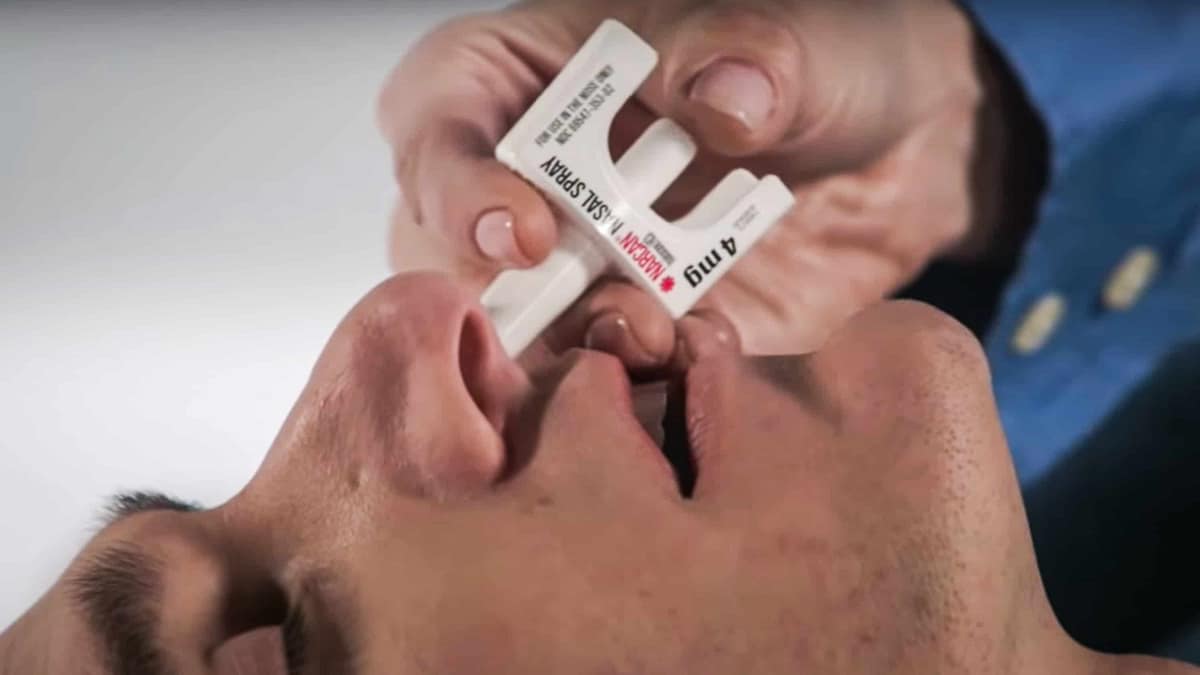
Responders operate inside the same structural vacuum as the people they’re trying to help. Cano administered Narcan as a precaution, transported a detainee with drugs in the car, and then experienced a sudden medical emergency. There was no mandated observation period, no decontamination protocol, and no continuity procedure after a high‑risk drug encounter. The medical examiner later confirmed fentanyl in his system, but the route of exposure remains unknown.
The toll of misinformation
Officials initially dismissed the possibility of drug exposure, even though the detainee possessed narcotics. Later, the medical examiner contradicted that assumption. This mirrors the broader pattern where institutions struggle to interpret the drug environment accurately, leaving both responders and civilians vulnerable
The toll of structural gaps
Cano’s death wasn’t caused by a single moment. It was caused by a system with no unified protocols for handling fentanyl encounters, no continuity safeguards for officers after administering Narcan, and no real-time transparency about what happened in the field. The medical examiner ruled the death accidental, but the underlying failure was architectural.
By the Street Sentinel