
How a Mobile Vet Unit
Strengthens the Entire City
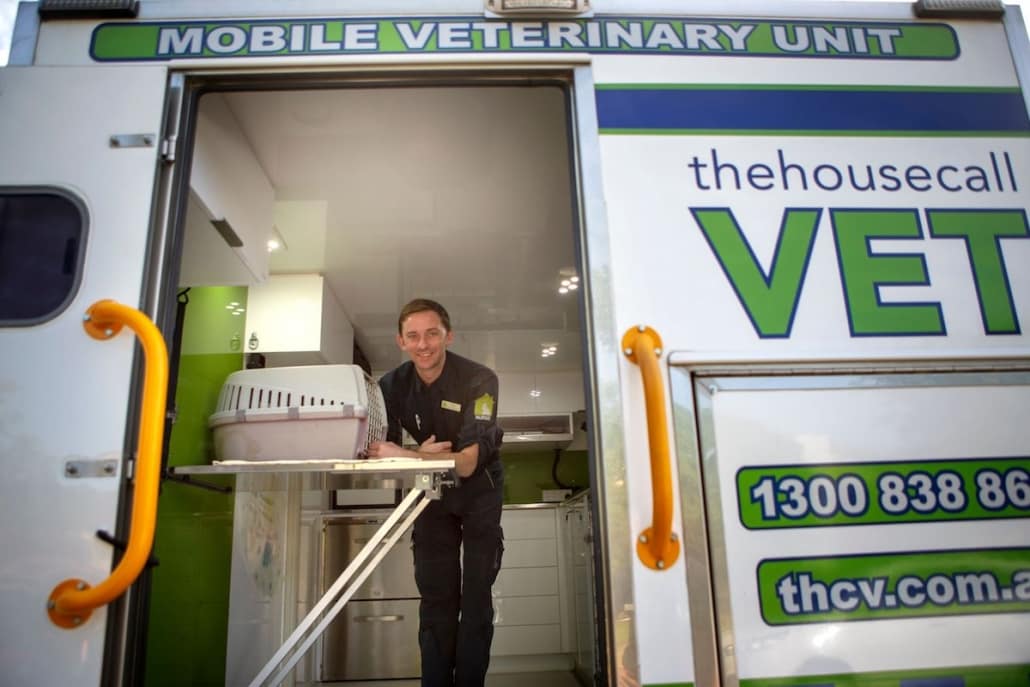
Animal Welfare Is Public Health, Community Safety
A mobile veterinary unit doesn’t just help animals. It strengthens the entire city in ways most people never see.
1. It reduces public health risks.
Vaccinated, treated, and monitored animals mean fewer outbreaks of parvo, mange, fleas, ticks, and zoonotic diseases. This protects encampments, neighborhoods, shelters, and first responders.
2. It reduces animal suffering and death.
Fewer stray litters. Fewer untreated injuries. Fewer animals dying in parks, alleys, or abandoned lots.
3. It reduces city costs.
Prevention is far cheaper than animal control, emergency cleanups, or disease response. A mobile unit saves taxpayer money by stopping problems before they spread.
4. It builds trust with unhoused communities.
When people see that the city cares about their pets, they begin to believe the city might care about them too. This opens doors to services, housing, and outreach.
5. It reduces conflict between residents and the public.
Healthy, vaccinated, fixed animals mean fewer complaints, fewer bites, fewer fears, and fewer confrontations.
6. It creates pathways for dignity and responsibility.
Training unhoused residents to help capture, transport, or care for animals gives them purpose, income, and pride.
7. It strengthens the moral fabric of the city.
A city that protects its most vulnerable human or animal is a city worth living in.
A mobile vet unit is not a luxury. It’s not a side project. It’s not charity. It’s infrastructure the kind that makes a city safer, healthier, more humane, and more connected.
When we protect the animals, we protect the people. When we protect the people, we protect the city. And when we protect the city, we protect our future.
By the Street Sentinel