
Encampment Blueprint
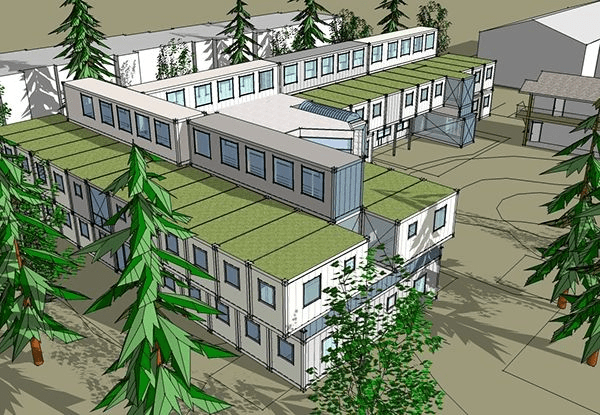
The Encampment Blueprint is a practical, field-tested model for organizing unsheltered communities into safer, more stable, and more manageable environments. It is not a theory. It is a structured approach built from lived experience, direct observation, and the operational realities of how people actually survive outdoors.
This blueprint provides a clear framework for creating micro-communities, establishing safety zones, reducing conflict, improving sanitation, and preparing sites for future services. It is designed for outreach teams, city partners, nonprofits, and community groups who need a common-sense, trauma-aware structure that works in real conditions.
1. Purpose of the Blueprint
The Encampment Blueprint exists to:
- Reduce chaos and conflict within encampments
- Improve safety for residents and outreach workers
- Create predictable zones for services and navigation
- Support trauma-aware micro-communities
- Provide a foundation for future upgrades or relocations
- Establish a consistent model that can be replicated citywide
This is the first step toward transforming unmanaged encampments into organized, dignified environments.
2. Core Principles
2.1 Micro-Communities
People naturally cluster by shared experience. The blueprint formalizes this instinct into manageable groups such as:
- Freelances
- Seniors
- Couples
- Medically vulnerable individuals
- Quiet-zone residents
2.2 Safety First
The layout prioritizes:
- Clear sightlines
- Defined walkways
- Fire-safe spacing
- Emergency access routes
2.3 Predictability
A structured environment reduces tension and improves cooperation.
2.4 Dignity
Every zone is designed to respect personal space, autonomy, and lived experience.
3. Encampment Zones
3.1 Residential Zones
Organized micro-communities with:
- Tent spacing
- Defined boundaries
- Internal agreements
- Peer-selected leaders (optional)
3.2 Service Zone
A designated area for:
- Outreach teams
- Medical visits
- Food distribution
- Case management
3.3 Safety Zone
A buffer area for:
- Fire safety
- Emergency access
- Conflict de-escalation
3.4 Sanitation Zone
Placement for:
- Trash collection
- Portable restrooms (if available)
- Sharps containers
- Cleaning supplies
3.5 Quiet Zone
Reserved for seniors, medically fragile individuals, or those needing stability and reduced noise.
4. Operational Flow
4.1 Intake and Placement
New arrivals are guided to the appropriate micro-community based on:
- Age
- Vulnerability
- Behavior
- Personal preference
4.2 Daily Operations
The blueprint supports:
- Trash cycles
- Safety checks
- Outreach visits
- Resource distribution
4.3 Conflict Management
Clear zones reduce friction and allow for:
- Early intervention
- Peer-based de-escalation
- Safer outcomes
5. Benefits of the Blueprint
5.1 For Residents
- More stability
- Less conflict
- Clear expectations
- Safer environment
5.2 For Outreach Teams
- Predictable layout
- Easier navigation
- Better engagement
- Reduced risk
5.3 For Cities and Partners
- Cleaner sites
- Lower emergency response burden
- Improved data collection
- A scalable model
6. Download the Blueprint
Download the Encampment Blueprint (PDF)
Download link will be added here once the file is uploaded.
This document includes:
- Full layout diagram
- Zone descriptions
- Setup instructions
- Safety guidelines
- Operational notes
7. How to Use This Blueprint
This model can be used for:
- Existing encampments
- New sanctioned sites
- Temporary emergency setups
- Outreach team coordination
- City planning discussions
It is designed to be flexible, scalable, and adaptable to local conditions.
8. Future Integration
The Encampment Blueprint is part of a larger system that includes:
- Signage Overlays
- Audit Templates
- Micro-community models
- Safety protocols
- The Network (future statewide platform)
Together, these tools create a unified approach to homelessness response.