
Do You Really Believe
Homeless Set the California Fires?
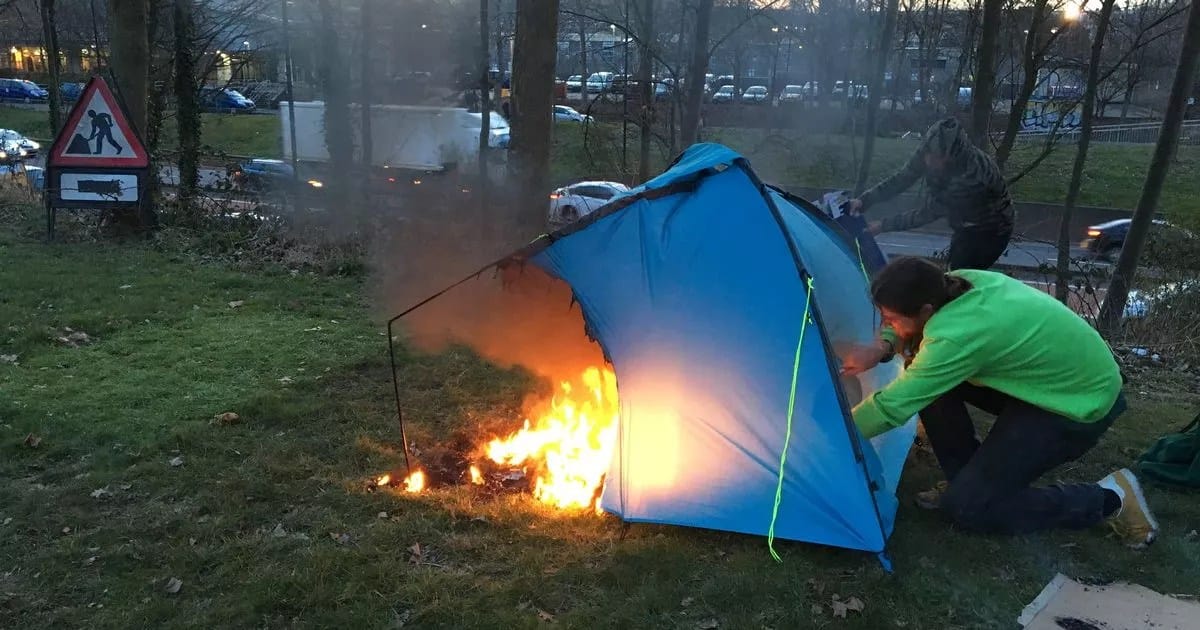
Wildfires have become an unfortunate staple in the narrative of California’s environmental issues. In recent years, a significant number of these fires have been attributed to various causes, from climate change-induced weather patterns to human negligence.
One controversial claim that has surfaced time and again is the allegation that homeless individuals are responsible for a substantial number of these fires.
This narrative not only oversimplifies a complex issue but also marginalizes an already vulnerable population.
History of Fires Linked to Homeless Individuals: The claim that homeless individuals are responsible for many of California’s wildfires isn’t new. Reports of fires originating in homeless encampments have been documented for years
These incidents are often highlighted in media reports and used as a basis for public outcry and policy changes aimed at addressing homelessness.
For example, in Los Angeles, the number of fires related to homeless encampments has seen a significant rise. According to recent data, 13,909 fires related to homeless people or tents were reported in 2023. This figure is alarming and certainly warrants attention, but it also requires context.
The Complexity of Fire Causes: While it’s undeniable that some fires have been linked to homeless encampments, attributing most of California’s wildfires to homeless individuals is misleading.
Wildfires are complex phenomena, often resulting from a combination of factors, including extreme weather conditions, high winds, and dry vegetation. Human activity does play a significant role, but it’s not limited to homeless individuals.
Factors such as arson, poorly maintained electrical infrastructure, and careless behavior by residents and tourists contribute significantly to the wildfire problem.
The Role of Homeless Encampments: Homeless encampments are often situated in areas that are highly susceptible to fires, such as dry riverbeds, forests, and vacant lots.
These locations are chosen out of necessity rather than choice, as homeless individuals seek shelter in less visible and often more dangerous areas to avoid conflicts and legal issues.
The lack of access to proper cooking facilities and safe heating methods further increases the risk of accidental fires. However, this does not imply that homeless individuals are the primary culprits of the state’s wildfire crisis.
The Fire Department’s Perspective: According to the Los Angeles Fire Department, the rise in fires related to homeless encampments is a growing concern.
However, they also emphasize the need for comprehensive solutions that address the root causes of homelessness rather than simply criminalizing the homeless population.
Efforts to provide safe and legal camping areas, access to social services, and affordable housing can help mitigate the risk of fires and improve the overall safety of both homeless individuals and the broader community.
Conclusion: Blaming homeless individuals for most of California’s wildfires is a reductive and unjust approach to a multifaceted problem. While fires related to homeless encampments are indeed a significant issue, they are part of a broader spectrum of causes.
Addressing the wildfire crisis requires a comprehensive strategy that includes fire prevention measures, better infrastructure maintenance, and social support systems for vulnerable populations.
Disclaimer: This is a work of fiction. Names, characters, places, and incidents are either the product of the author’s imagination or are used fictitiously. Any resemblance to actual persons, living or dead, events, or locales is entirely coincidental. The author does not endorse or condone any actions or behavior depicted in this story. Any opinions expressed are solely those of the characters and do not reflect the views of the author or any affiliated entities.
By the Street Sentinel