
Building Stability
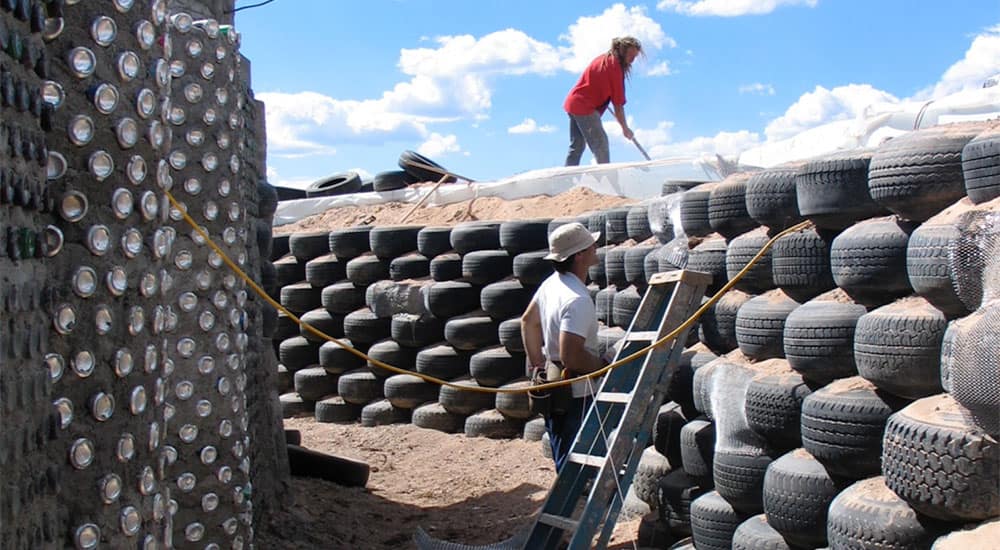
Homelessness is a crisis that demands innovative, long-term solutions, not just temporary relief. While reintegration into conventional community living is the goal for many, some individuals will never re-enter structured housing programs due to various circumstances. This reality calls for a humane, stable alternative: a permanent encampment designed for dignity, security, and sustainability.
A Vision for a Functional Homeless Encampment
This initiative proposes a 50-tent encampment, reinforced with retaining walls made from old tires and concrete to create protected, structured living spaces. It is not about temporary shelter, it is about stability for those who cannot transition back to traditional housing models.
Estimated Costs
| Item | Estimated Cost |
|---|---|
| 50 Heavy-Duty Tents | $10,000 ($200 per tent) |
| Tire & Concrete Retaining Walls | $15,000 (materials & labor) |
| Sanitation Facilities (portable toilets, handwashing stations) | $12,000 |
| Solar-Powered Lighting | $8,000 |
| Rainwater Collection System | $5,000 |
| Food Distribution & Storage | $10,000 |
| Security & Maintenance | $20,000 (initial setup & staffing) |
| Miscellaneous (permits, outreach, logistics) | $10,000 |
| Total Estimated Cost | $90,000 |
These estimates are based on similar encampment projects and may vary depending on location, material availability, and labor costs.
Why This Model is Cheaper & Faster Than Brick-and-Mortar Shelters
Traditional shelters require extensive permitting, construction, and long-term operational costs, often taking years to complete. In contrast, this tent-based encampment can be set up in weeks at a fraction of the cost.
Cost Comparison
| Shelter Type | Estimated Cost Per Unit | Time to Build |
|---|---|---|
| Brick-and-Mortar Shelter | $250,000+ per unit | 1-3 years |
| Tiny Home Villages | $50,000+ per unit | 6-12 months |
| Tent-Based Encampment | $2,000 per unit | 4-8 weeks |
- Lower Material Costs: Tents, tires, and concrete are far cheaper than traditional construction materials.
- Minimal Bureaucratic Delays: No need for complex zoning approvals or long-term land development permits.
- Rapid Deployment: Can be assembled in weeks, providing immediate relief instead of waiting years for shelter availability.
- Flexible & Scalable: Can expand or relocate based on community needs without major infrastructure investment.
Key Infrastructure Features
- Tent Clusters for community and privacy
- Upcycled Tire & Concrete Walls for wind protection and zoning
- Sanitation Facilities (portable toilets, handwashing stations, and waste management)
- Security & Lighting (solar-powered installations for safety)
- Rainwater Collection & Solar Power Stations for sustainability
A Community-Driven Solution
Homelessness cannot be solved solely through temporary shelters or policing tactics; it requires compassionate infrastructure and structured support. This encampment will include:
- Mental Health & Addiction Support: Accessible counseling and peer-led guidance
- Job Training & Mentorship: Creating pathways to meaningful work for those who seek stability
- Food Distribution & Education: Helping residents meet basic needs while learning skills for resilience
- Public Engagement & Policy Advocacy: Partnering with city officials to codify this model as an accepted approach
Join the Movement
This project isn’t just an idea, it’s an invitation to rethink how we treat homelessness. If you’re a builder, policymaker, social worker, engineer, or advocate, your expertise can help shape this vision into reality.
- Designers & Engineers: Help refine shelter layouts for safety and efficiency
- Community Advocates: Connect us with policy leaders to secure city support
- Funders & Donors: Provide materials, financial backing, or grant expertise
- Volunteers: Assist in building, setup, and program coordination
Homelessness doesn’t mean hopelessness. If society refuses to offer long-term stability, it perpetuates cycles of displacement rather than creating pathways to dignity.
Let’s be the difference. Join us in building a model for sustainable encampments and prove that structured living spaces can bring stability to those without a path back to conventional housing.
Are you in? Share your ideas. Volunteer. Let’s build the future, together.
Potential Locations in Stockton for the Encampment
Based on available information, here are some areas that could qualify:
- Vacant Lots & Unused Industrial Zones – Areas with no active development or commercial use.
- Underutilized Public Spaces – Locations that are not designated for parks or essential services.
- Near Existing Shelters & Support Services – To integrate with Stockton’s current homelessness initiatives.
- Abandoned or Unused City-Owned Land – Spaces that are not slated for development but could be repurposed.
Some specific areas worth exploring:
- South Stockton Industrial Zones – Several vacant lots with no active commercial use.
- Near Stockton Shelter for the Homeless – Could complement existing services.
- Unused Land Near French Camp – Close to Haven Peace Inc, which supports homeless women and children.
- West Church Street Corridor – Near Stockton Men’s Shelter, where additional structured encampments could help.
Collected by the Street Sentinel