
About the Law: From a Homeless Perspective
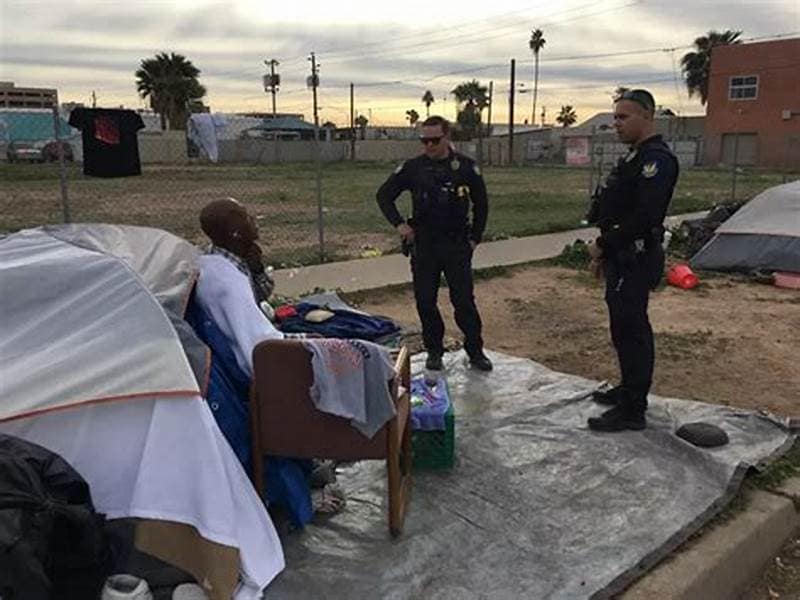
In the heart of the city, where skyscrapers kissed the clouds and neon lights painted the night sky, the forgotten faces of society etched their existence into the alleys and underpasses. Among them was Robert, a man whose life had taken a sharp turn from prosperity to destitution.
Robert once walked the halls of power, a successful lawyer with a sharp mind and a silver tongue. But life, with its unpredictable twists, had led him to a place he never imagined. Now, the cold pavement was his bed, and the stars were his only witnesses.
For Robert, the law had always been a beacon of justice, a framework that held society together. He had spent years defending the innocent, prosecuting the guilty, and believing in the power of legal systems to uphold fairness. But from his new perspective, the law seemed distant and unyielding, a harsh reality for those who lived on the margins.
Every day, Robert saw the law’s blind spots. He watched as his fellow homeless were moved along by the police, their only crime being the search for a place to rest. He saw how the legal system often failed to protect the most vulnerable, turning a blind eye to their struggles.
The irony was not lost on him, once a defender of justice, now a victim of its indifference. One rainy evening, huddled under a bridge, Robert met a young woman named Lisa. She was new to the streets; her eyes still filled with the hope of finding a way out.
They struck up a conversation, and she told him of her attempts to seek help through shelters and social services, only to be met with endless paperwork and bureaucratic red tape.
“The law is supposed to help us,” Lisa said, her voice tinged with frustration. “But it feels like it’s just another hurdle.” Robert nodded, understanding her plight all too well.
He had seen the same barriers, the same systemic failings that turned the promise of assistance into a labyrinthine nightmare.
It was cruel; ironically, the very laws meant to protect and serve were often the ones that trapped people in cycles of poverty and despair.
Yet, despite the bitterness of his current reality, Robert’s belief in the law was not entirely extinguished. He knew that laws were made by people and could be changed by people. It was a glimmer of hope, a faint spark that he clung to.
With time, Robert began to find ways to use his knowledge to help those around him. He offered advice to fellow homeless individuals, guiding them through the legal maze to access services and protect their rights. He became a voice for the voiceless, advocating for better policies and more humane treatment.
The law, he realized, was a double-edged sword. It could be a tool of oppression, but it could also be a force for good. It depended on how it was wielded and who wielded it. From his vantage point on the streets, Robert saw the potential for change and dedicated himself to being a catalyst for that change.
In the end, Robert’s story was one of resilience and transformation. Though life had unsweetened his circumstances, it had not broken his spirit. He remained a steadfast believer in the power of the law to heal and to harm, and in the human capacity to mold it into something better.
By the Street Sentinel