
“Navigating the Shadows:
A Homeless Woman’s Guide to Safety” at Night
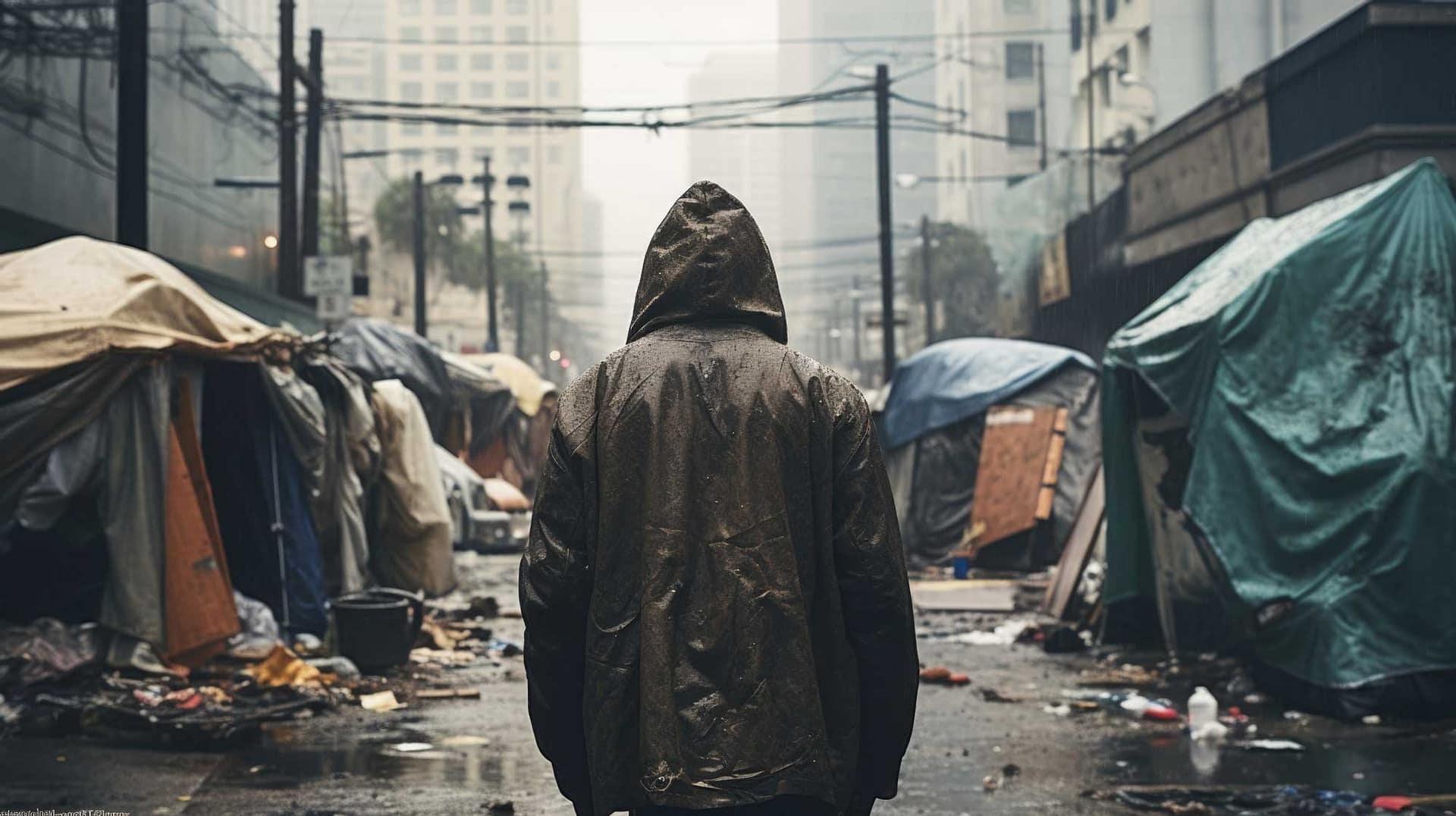
In the bustling city streets, where the neon lights flicker and the hum of traffic never ceases, there exists a hidden world a world where homeless women navigate the shadows, seeking safety and solace. Amidst this harsh reality, understanding body language becomes a crucial skill in preventing sexual abuse.
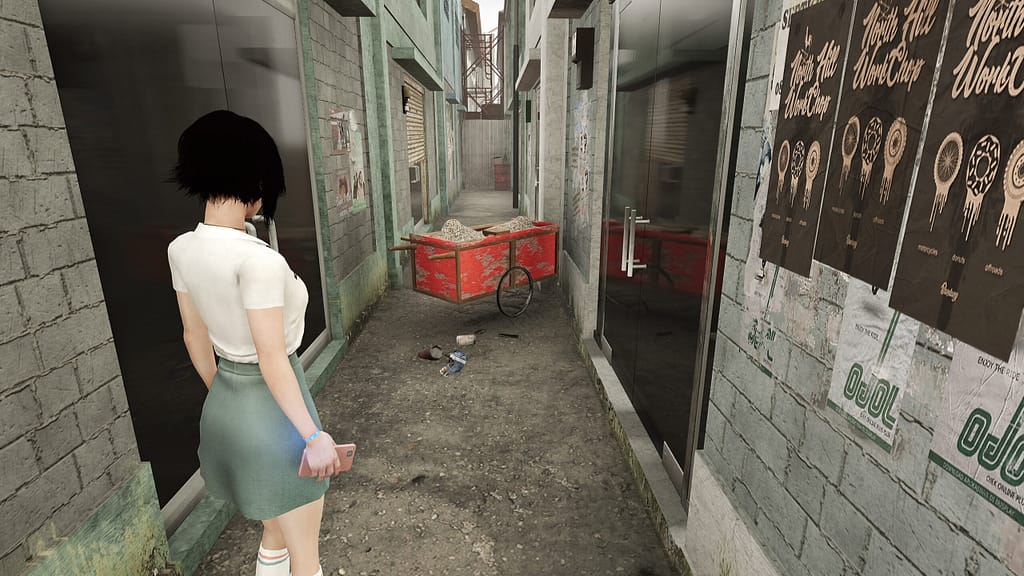
One evening, as the sun dipped below the horizon, Maria found herself in a dimly lit alleyway. She had been on the streets for months, and the nights were the most challenging. She knew the importance of staying in well-lit, populated areas, but sometimes, circumstances forced her into the shadows.
Maria had learned to read the signs the subtle cues that predators couldn’t hide. She noticed a group of men lingering nearby, their eyes darting towards her. Her instincts kicked in, and she remembered the advice she had received from a local shelter never be the only woman in a group of men at night.
She quickly moved towards a more crowded area, where the presence of others provided a sense of security. As she walked, she recalled another piece of common-sense wisdom: never accept free drinks from strangers. Predators often used this tactic to lower their victims’ defenses. Maria had seen it happen to others, and she vowed never to let it happen to her.
One night, Maria encountered a man who offered her a drink. His smile seemed friendly, but his body language told a different story. His eyes lingered a bit too long, and his posture was overly confident. Maria politely declined, trusting her instincts. She knew that predators often revealed their intentions through their actions and expressions.
As the days turned into weeks, Maria became more adept at spotting these signs. She noticed how some men would invade her personal space, their hands twitching with nervous energy. Others would avoid eye contact, their guilt and intentions written all over their faces. Maria learned to trust her gut feelings, understanding that her intuition was a powerful tool in keeping herself safe.
One evening, Maria found herself in a situation where her instincts were put to the test. She was in a secluded park, trying to find a place to rest for the night. A man approached her, his steps deliberate and his gaze intense. Maria’s heart raced, but she remained calm. She remembered the advice: always stay in areas where the public can see or hear you.
She moved towards a bench near a streetlamp, where passersby could see her. The man hesitated; his predatory intentions thwarted by the presence of others. Maria’s quick thinking and understanding of body language had once again kept her safe.
In the world of homelessness, where vulnerability is a constant companion, knowledge is power. Maria’s story is a testament to the importance of common sense and the ability to read body language. By staying in well-lit, populated areas, avoiding groups of men at night, and refusing drinks from strangers, homeless women can protect themselves from potential harm.
Predators may try to hide their lust, but their body language often betrays them. Maria’s journey serves as a reminder that even in the darkest of times, there is hope. By trusting their instincts and staying vigilant, homeless women can navigate the shadows and find safety in a world that often seems unforgiving.
📜Disclaimer
← Back to All Series
Image & Digital Materials Use Notice
Brought to you by the Street Sentinel