
How Do You Know If You’re Crazy?
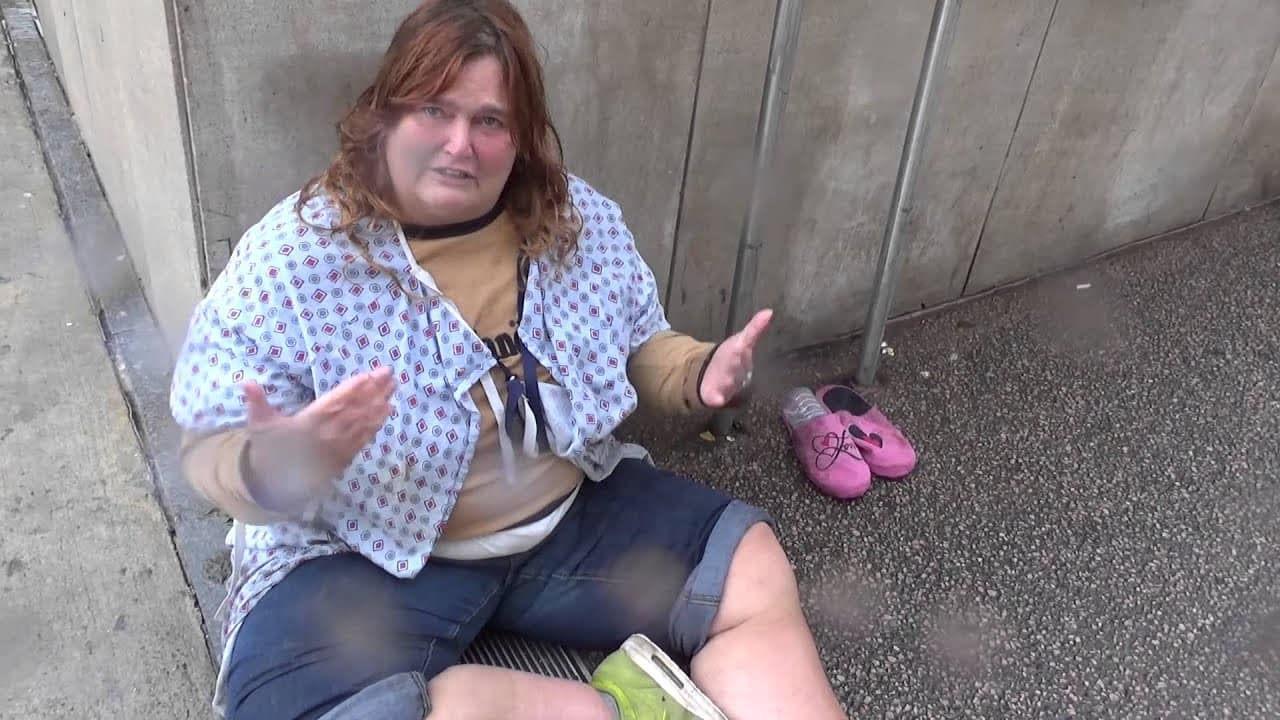
Here’s a middle-aged homeless man named Richard who was standing on the corner of Weber Avenue; he had a well-worn duffle bag slung over his shoulder. The city of Stockton bustled around him, indifferent to his presence. It was one of those chilly February mornings when the fog hung thick and heavy, wrapping the city in a grey shroud. Richard had been living on the streets for over a year now, and each day brings a battle against the biting cold, hunger, and the creeping sense of isolation.
He often wondered if he was losing his mind. How do you know if you’re crazy? The question haunted him, lingering in the quiet moments when he was alone.
He’d heard the whispers, seen the looks of pity or fear on the faces of passersby.
Richard had always prided himself on his intelligence, his ability to think clearly and rationally.
But now, with his life unraveling, he began to doubt himself.
The shelters offered temporary reprieve, but the constant shuffle of people and the strict rules made him feel trapped. Richard preferred the open air, despite its harshness. He found solace in the unpredictability of the streets, the sense of freedom that came with having nowhere to be. Still, the gnawing question persisted: was he crazy for choosing this life, or was it a choice at all?
One particularly cold night, Richard huddled under an overpass, wrapping himself in layers of tattered blankets. He watched the shadows dance on the concrete walls, his thoughts drifting to the life he once had. He’d been a teacher, a mentor to countless students. He remembered their eager faces, their thirst for knowledge. But when the school closed due to budget cuts, Richard struggled to find work. The bills piled up, and soon enough, he found himself evicted, with nowhere to turn.
It was easy to lose hope, to let despair take over. But Richard wasn’t ready to give up. He found small pockets of kindness in the city, moments that reminded him he wasn’t alone. The barista at the coffee shop who offered him a free cup of hot coffee, the local church that handed out warm meals on Sundays, and the librarian who allowed him to sit and read for hours without question. These gestures, however small, kept him going.
One day, Richard met Angela, another soul wandering the streets of Stockton. She was sharp-witted and resourceful, with a fierce determination to survive. Together, they formed an unlikely friendship, finding strength in each other’s company. They shared stories, laughter, and sometimes, tears. Angela often reminded Richard that they were more than their circumstances, that their worth wasn’t defined by the rooftops over their heads.
Despite the hardships, Richard began to see glimpses of beauty in his life. He noticed the way the sunrise painted the sky with hues of pink and orange, the gentle rustling of leaves in the breeze, and the sound of children laughing in the distance. He found comfort in these small moments, reminding himself that life, even in its harshest form, held fragments of joy.
Richard knew he wasn’t crazy. He was a man facing unimaginable challenges, fighting to maintain his dignity and sense of self. He realized that his strength lay in his ability to keep going, to find meaning in the midst of chaos. Every day was a test of his resilience, a reminder that he was still here, still fighting.
As the days turned into months, Richard’s resolve grew stronger. He found ways to contribute, volunteering at the local soup kitchen and offering a helping hand to those in need. He discovered that even in the darkest times, there was a light within him, a beacon of hope that refused to be extinguished.
Richard’s journey was far from over, but he knew that if he held onto that light, he would find his way. He wasn’t crazy. He was a survivor, a testament to the indomitable human spirit. And with each passing day, he proved to himself that he was so much more than his circumstances.
Disclaimer: This is a work of fiction. Names, characters, places, and incidents are either the product of the author’s imagination or are used fictitiously. Any resemblance to actual persons, living or dead, events, or locales is entirely coincidental. The author does not endorse or condone any actions or behavior depicted in this story. Any opinion expressed is solely those of the characters and does not reflect the views of the author or any affiliated entities.
By the Street Sentinel