
Digital Tags: Is That the Answer for the Homeless?
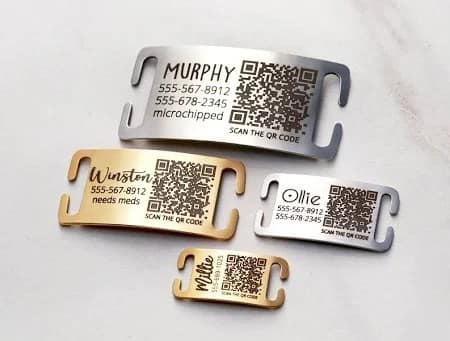
Imagine a world where homeless individuals, often navigating the tumultuous waves of uncertainty, have instant access to their crucial identification and medical records with just a quick scan of a digital tag.
No longer would they have to worry about losing their EBT cards, driving records, marriage certificates, or any important documents. The concept of digital tags for the homeless, not like law enforcement does for tracking criminals, but for keeping vital information safe and accessible, could revolutionize the way we provide support to those in need.
Living without a stable address makes it incredibly difficult for homeless individuals to maintain and safeguard their essential documents. From identity theft to the wear and tear of life on the streets, the challenges are manifold.
Missing identification can hinder their ability to receive services, access shelters, and apply for jobs. This endless cycle can often leave them feeling trapped and hopeless. Digital tags, however, have the potential to break this cycle by offering a practical and innovative solution.
The concept of digital tags involves creating a secure and personalized digital profile for each homeless individual. This profile would be linked to a unique QR code or NFC tag that they can always carry with them.
Whenever they need to access their ID, medical records, or any other important document, a simple scan would provide them with instant access. The digital tag could be worn as a bracelet, embedded in a dog tag, or even integrated into a piece of clothing, ensuring it is always within reach.
One of the significant advantages of digital tags is the ease of updating and managing information. Unlike physical documents that can be lost or damaged, digital records can be securely stored and updated in real-time.
Medical histories, vaccination records, and emergency contacts could all be kept current, providing homeless individuals with a sense of security and continuity in their healthcare. Additionally, social workers and healthcare providers would have immediate access to accurate and up-to-date information, allowing them to offer better and more personalized support.
Privacy concerns are a critical consideration when implementing digital tags. It is essential to ensure that the information stored is secure and accessible only to authorized individuals. Robust encryption and authentication protocols would be necessary to protect sensitive data from unauthorized access. Moreover, the homeless individuals themselves should have control over who can access their information and under what circumstances.
Clear guidelines and consent mechanisms should be in place to empower them and safeguard their privacy.
Implementing digital tags on a large scale would require collaboration between various stakeholders, including government agencies, non-profit organizations, healthcare providers, and technology companies.
Funding would be needed to develop the infrastructure and provide the necessary training for both the homeless individuals and the professionals supporting them. Public awareness campaigns could help dispel any misconceptions and highlight the benefits of this innovative approach.
Of course, digital tags are not a silver bullet solution to homelessness. They are a tool, one that can significantly improve the quality of life for homeless individuals by making their essential information easily accessible and secure.
Combined with other support services, such as housing programs, mental health care, and job training, digital tags could play a vital role in empowering the homeless and helping them regain their independence.
In conclusion, digital tags offer a promising solution to the problem of maintaining and accessing important documents for the homeless.
By providing a secure and convenient way to store and retrieve vital information, we can help homeless individuals navigate the complexities of life with greater ease and dignity. As technology continues to evolve, let us harness its power to create a more inclusive and compassionate society for all.
📜Disclaimer
← Back to All Series
Image & Digital Materials Use Notice
By the Street Sentinel