
🧠The Special Ones Series Story 1
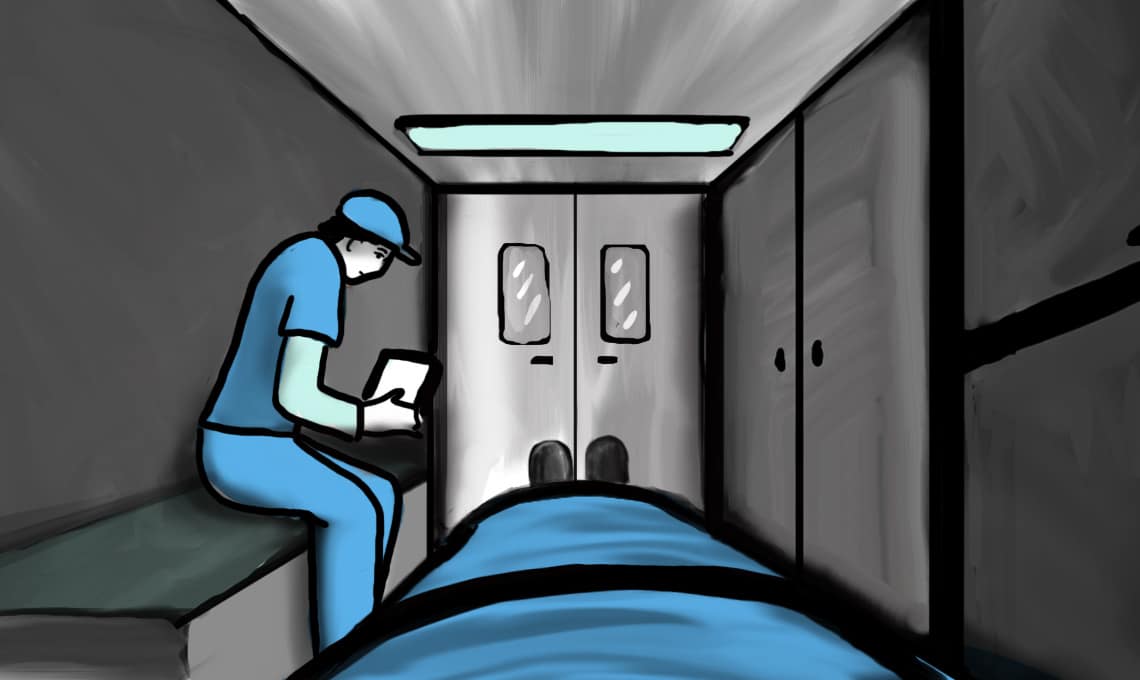
Held for Help When 5150s Become Displacement Tools
🩺 The Setup
They called it a “mental health intervention.”
The outreach worker flagged her as “gravely disabled.”
The police arrived with a clinician.
She was placed on a 72-hour psychiatric hold.
And just like that, she was gone.
No warning. No consent. No continuity.
Just a form signed, a van dispatched, and a sidewalk cleared.
🧩 The Pattern
5150 holds were designed for acute psychiatric crises.
But on the streets, they’ve become a cleanup tool.
A way to remove visible suffering without addressing its root.
No shelter beds? No long-term care? No trauma-informed follow-up?
No problem, just hold and release.
She’ll be discharged in three days.
No belongings. No meds. No plan.
And the outreach team will mark her as “served.”
🧠 The Impact
- Disruption of trust: Every forced hold erodes the fragile rapport between unhoused individuals and outreach workers.
- Loss of autonomy: People are stripped of agency under the guise of help.
- Cycle of invisibility: The system resets, but the trauma deepens.
🧨 The Satirical Close
Welcome to the Care Carousel™.
Where every ride ends in discharge,
And the only thing stabilized is the city’s optics.
The Special Ones Series · Part of the Shelter Outline movement.
Story by the Street Sentinel
📜 Disclaimer
← Back to All Series
Image & Digital Materials Use Notice