
Story 5: Neighborhood Meetings
The Public Perception Series · Shelter Outline Stories
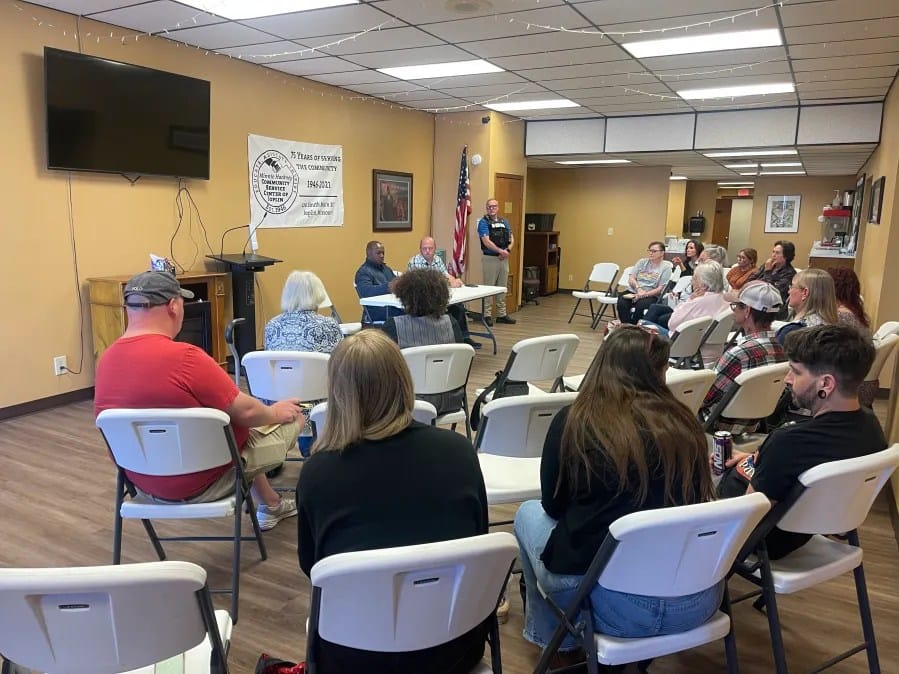
Community meeting discussing homelessness
What really gets said when people fight shelters, services, and housing in their own backyard.
If you want to understand how the public really feels about homelessness, don’t look at social media. Don’t look at the news. Don’t look at political speeches. Look at a neighborhood meeting.
These meetings are where people say the things they’d never say in public, at least not loudly. It’s where fear gets dressed up as “concern,” and discrimination gets disguised as “safety.”
A shelter is proposed. A service center is planned. A supportive housing project is announced.
And suddenly the room fills with:
- “I support helping people, but not here.”
- “This will ruin our property values.”
- “What about the children?”
- “We’re not against homeless people, we just don’t want them near us.”
- “This will attract crime.”
- “Why can’t they put it somewhere else?”
These statements sound reasonable on the surface. But underneath them is a simple message:
“We don’t want those people in our neighborhood.”
Neighborhood meetings reveal a truth most people don’t want to face: Public perception isn’t shaped by facts; it’s shaped by fear.
And fear spreads quickly when people believe they’re protecting their families, their homes, or their sense of control. It doesn’t matter that shelters reduce crime. It doesn’t matter that supportive housing stabilizes communities. It doesn’t matter that services save lives.
What matters is the story people tell themselves:
“If they come here, everything will get worse.”
But the reality is the opposite. When neighborhoods block shelters and services, people are pushed into:
- parks
- sidewalks
- parking lots
- underpasses
- business doorways
The very outcomes people fear become the outcomes they create.
Neighborhood meetings don’t just reflect public perception; they shape it. They turn individual fears into collective resistance. They turn stereotypes into policy. They turn “not in my backyard” into “not anywhere near me.”
And the people who need help the most are left with nowhere to go.
Closing Reflection
If we want to change public perception, we have to change what happens in neighborhood rooms. We have to replace fear with facts and assumptions with understanding.
A community isn’t defined by what it keeps out; it’s defined by what it’s willing to welcome in.
Call to Action
Attend neighborhood meetings. Speak up when fear takes the microphone. Remind people that safety comes from support, not exclusion.
The Public Perception Series · Part of the Shelter Outline movement.
Story by the Street Sentinel
📜 Disclaimer
← Back to All Series