
The Hidden Toll Series Part 6:
Changing the Narrative
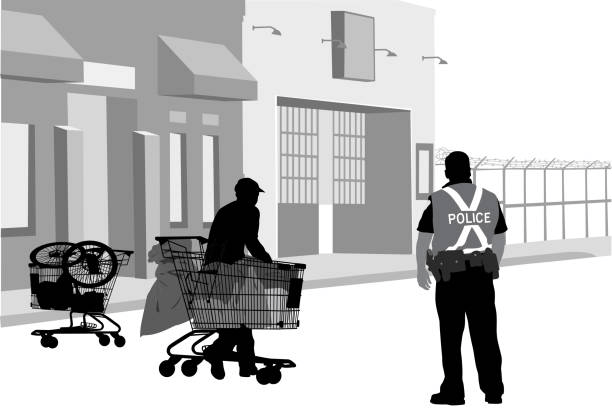
From Pity to Power
1. The Problem with the Old Story
The dominant narrative frames homelessness as:
– A personal failure
– A public nuisance
– A hopeless condition
This fuels stigma, criminalization, and apathy.
2. The Power of Narrative Change
Narratives shape policy. They shape funding. They shape hearts.
✅ “Housing is a human right” reframes the issue as justice, not charity
✅ “People aren’t the problem, systems are” shifts blame to policy
✅ “From invisible to invincible” centers lived experience and resilience
3. What Works
– Storytelling from experience
– Visual campaigns that show strength, not despair
– Language audits to remove dehumanizing terms
– Media partnerships to amplify truth over fear
4. Tools for Advocates
– Use person-first language: “people experiencing homelessness.”
– Avoid criminalizing terms: “vagrant,” “transient,” “illegal camp.”
– Highlight solutions, not just suffering
– Share data + story for maximum impact
📜Disclaimer
← Back to All Series
Image & Digital Materials Use Notice
By the Street Sentinel