
“Housing Doesn’t Quiet
The Storm Inside.”
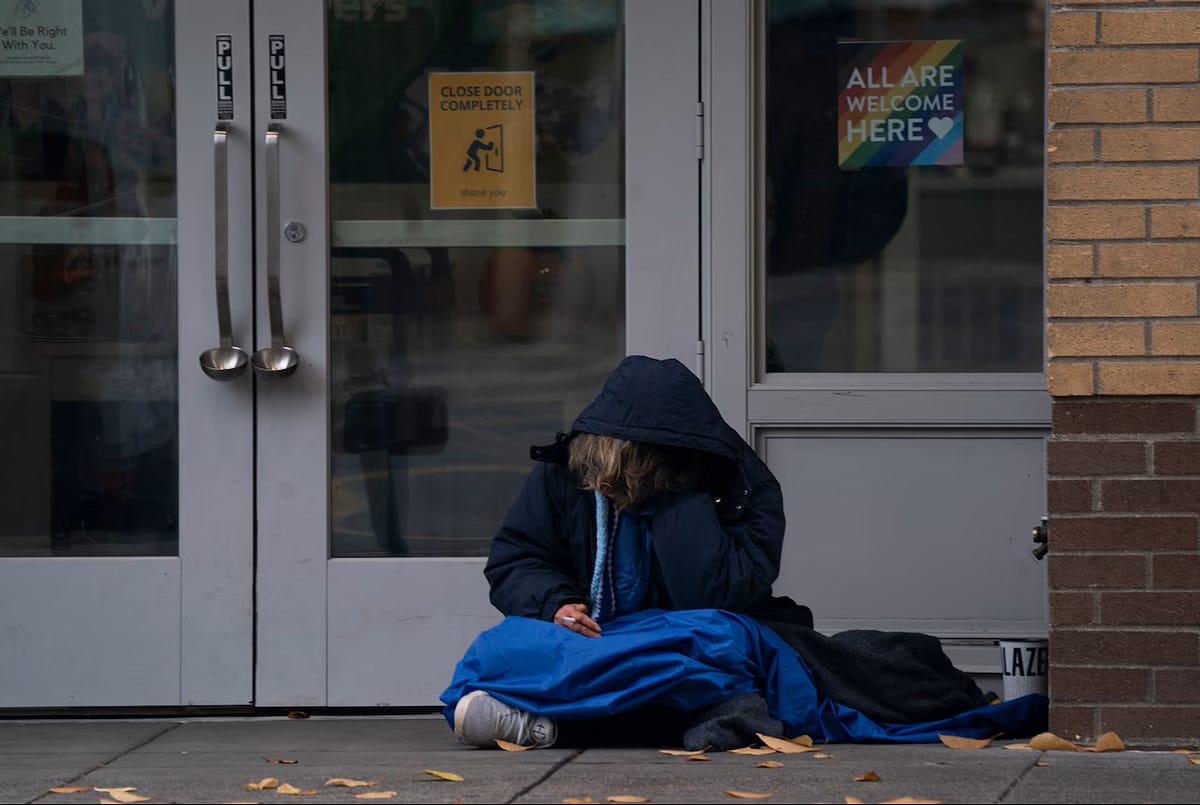
People talk about supportive housing like it’s a magic switch,
as if the moment someone gets a key, the trauma disappears.
The depression lifts.
The voices stop.
The fear dissolves.
The past resets.
But housing doesn’t quiet the storm inside.
It gives you walls.
It gives you a door.
It gives you a place to sleep.
But it doesn’t give you back the parts of yourself you lost along the way.
The trauma doesn’t vanish because the address changed.
The anxiety doesn’t fade because the rent is subsidized.
The depression doesn’t lift because the paperwork went through.
The voices don’t stop because the system checked a box.
People want supportive housing to be a cure‑all because it’s easier than facing the truth:
Mental health doesn’t heal on a schedule.
And it doesn’t heal on its own.
Some people move into housing and feel more alone than they did outside.
Some feel the silence for the first time, and it scares them.
Some finally stop running, and the memories catch up.
Some realize the world expects them to be “better” now
and that pressure becomes its own kind of weight.
Housing is stability.
But stability is not recovery.
Recovery needs:
- continuity
- connection
- trauma‑informed care
- emotional safety
- identity rebuilding
- support that doesn’t disappear after move‑in
- people who don’t vanish when the funding does
Supportive housing can keep someone indoors.
But it can’t rebuild the parts of them that were broken long before they lost their home.
That’s why mental health has to be part of the foundation,
not an optional add‑on, not a referral, not a pamphlet, not a “follow up when you’re stable.”
Because the truth is simple:
Housing stops the fall.
Mental health care heals the collapse.
And until we treat both as essential, people will keep getting housed without ever getting whole.
By the Street Sentinel