
“When Survival
Becomes the Only Emotion“
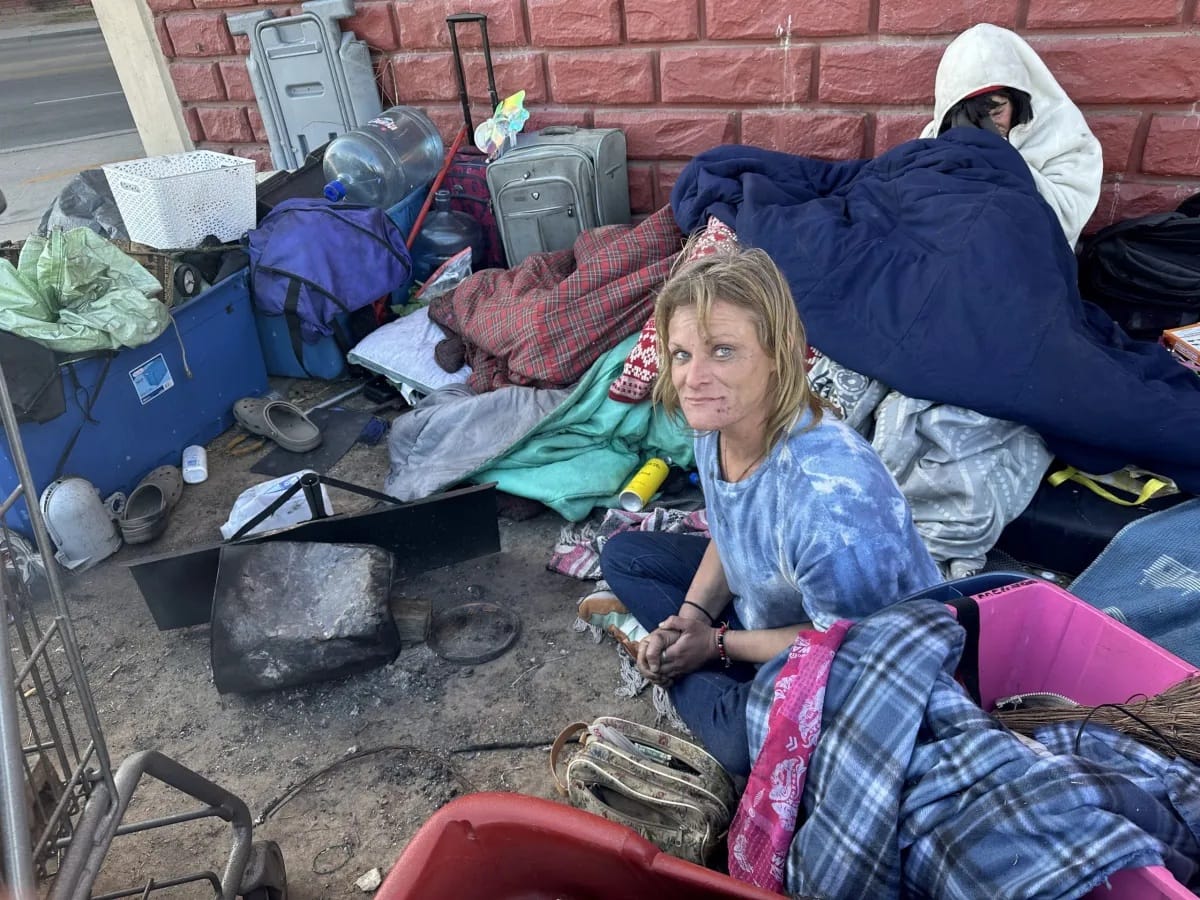
People think homelessness is a lack of resources.
But long before someone loses their housing, they lose something else:
the ability to feel anything except survival.
It doesn’t happen all at once.
It happens slowly, like a dimmer switch turning down the light inside you.
First, you stop feeling joy because it takes too much energy.
Then you stop feeling hope, it feels too risky.
Then you stop feeling anger; it burns too fast.
Then you stop feeling sadness, it hurts too much.
Then you stop feeling connection it requires trust.
Then you stop feeling the future; it feels too far away.
And what’s left is survival.
Not living.
Not growing.
Not dreaming.
Just surviving.
People say, “they seem numb,” but numbness isn’t a choice.
It’s a shield the brain builds when the world becomes too sharp to touch.
When you’re outside, survival becomes the only emotion because it’s the only one the environment allows.
You can’t process grief when you’re watching your belongings.
You can’t process trauma when you’re listening for danger.
You can’t process fear when you’re trying to stay warm.
You can’t process shame when you’re trying to stay alive.
The brain prioritizes survival over everything, even healing.
And the system doesn’t understand that.
It expects people to show up regulated, calm, ready, compliant, organized, and motivated.
But the brain can’t do those things when it’s stuck in survival mode.
That’s why trauma‑informed care isn’t optional.
It’s the only kind of care that makes sense.
Because until someone feels safe, they can’t feel anything else.
And until they can feel something else, they can’t rebuild.
Survival mode keeps people alive.
But it also keeps them stuck.
And the real work, the work that actually changes lives, is helping people feel safe enough to feel again.
By the Street Sentinel