
Essay 1: The Cities That Say No
Introduction
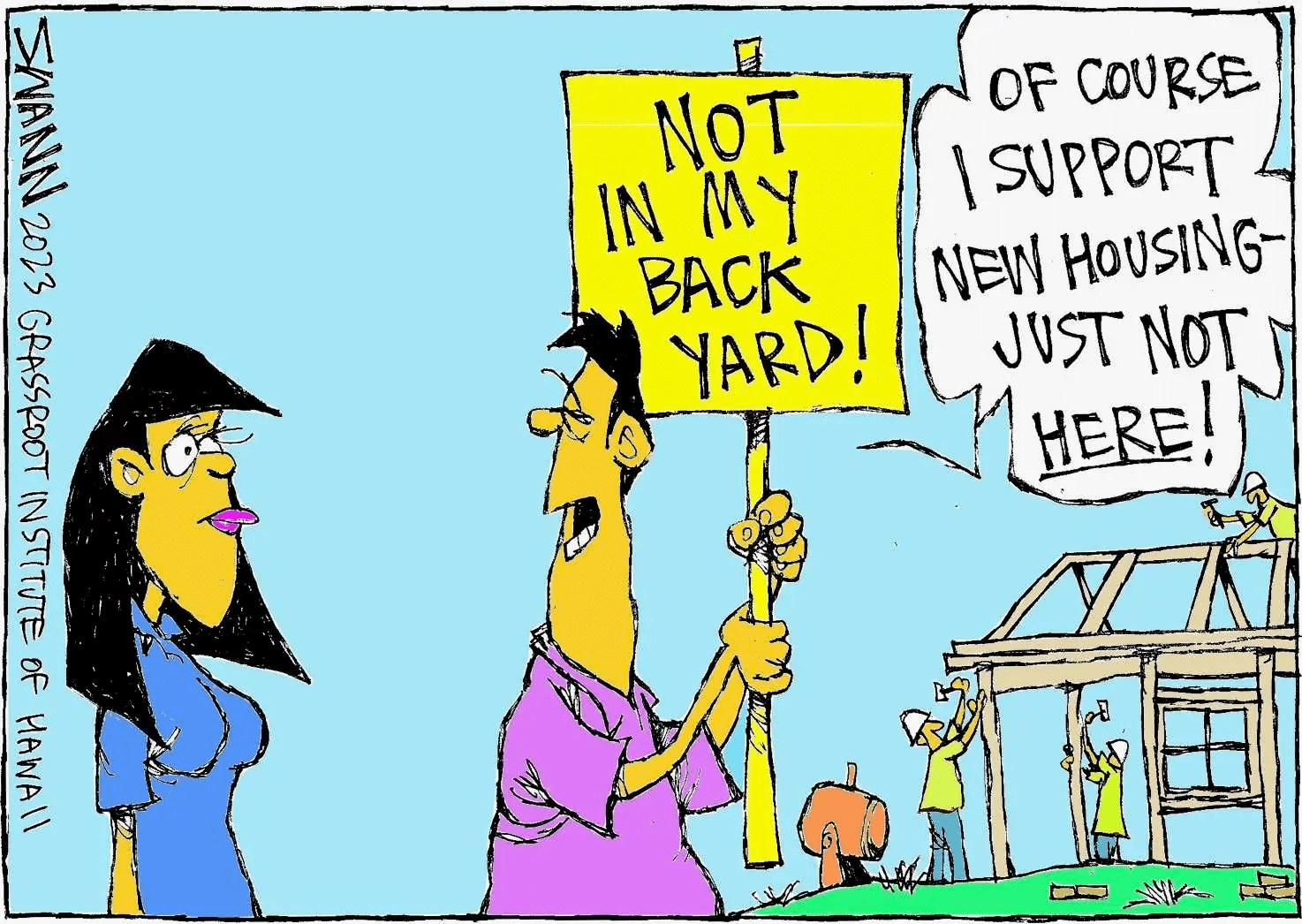
Across the United States, cities struggle to build shelters, open services, or launch new programs because of one powerful and predictable force: organized community resistance. While most residents say they support “solutions to homelessness,” many of those same residents oppose shelters, safe parking sites, treatment centers, or even outreach hubs when they are proposed near their homes.
This contradiction is not unique to any one city. It is a national pattern one that shapes policy, delays projects, and leaves thousands of people without safe options.
This essay examines how widespread this resistance is, what forms it takes, and why understanding the pattern is essential for designing solutions that actually work.
1. A Coast‑to‑Coast Pattern of Opposition
From California to New York, from small towns to major metros, the story repeats itself:
A city proposes a shelter.
A neighborhood group organizes.
Signs appear.
Petitions circulate.
Meetings overflow.
The project stalls or dies.
This pattern has played out in:
- Anaheim
- San Francisco
- Los Angeles
- Chicago
- Denver
- Portland
- New York
- Seattle
- Phoenix
- Austin
And dozens of smaller cities in between.
The message is often the same:
“We support solutions… just not here.”
2. The Forms of Resistance
Community opposition is rarely subtle. It often includes:
2.1 Yard Signs and Street Campaigns
“No Shelter Here.”
“Protect Our Neighborhood.”
“Stop the 200‑Bed Facility.”
These signs appear on lawns, fences, and storefronts.
2.2 Petitions and Online Groups
Neighborhood associations create:
- Facebook groups
- Nextdoor threads
- Change.org petitions
- Local websites
All aimed at blocking the project.
2.3 Public Meetings and Protests
City council meetings fill with residents demanding:
- relocation
- downsizing
- cancellation
Some meetings last hours. Some end in shouting.
2.4 Legal Challenges
In some cities, residents file lawsuits to stop shelters, citing zoning, environmental review, or procedural errors.
3. Why This Pattern Matters
This resistance has real consequences:
- Projects are delayed for months or years.
- Costs increase.
- Cities scale down or cancel shelters.
- People remain unsheltered.
- Encampments grow.
The cycle repeats because the underlying issue is not homelessness itself it’s the fear of proximity.
Understanding this pattern is the first step toward designing solutions that avoid triggering it.
4. The Lesson for Cities and Service Providers
The takeaway is simple:
Large, centralized shelters trigger the strongest backlash.
Communities fear:
- large crowds
- unpredictable behavior
- increased police activity
- noise
- traffic
- property value impacts
When a shelter is big, visible, and permanent, resistance becomes inevitable.
This is why new models smaller, distributed, micro‑community‑based are gaining traction. They fit into the landscape without overwhelming it.
Conclusion
Community resistance to shelters is not a local quirk. It is a national pattern rooted in fear, misunderstanding, and decades of failed shelter design. Recognizing this pattern allows cities and service providers to rethink their approach shifting from large, centralized facilities to smaller, more adaptable, community‑compatible models.
This is the foundation for navigating NIMBY resistance, and it sets the stage for the rest of the series.
📜Disclaimer
← Back to All Series
Image & Digital Materials Use Notice
By the Street Sentinel