
Community Caregivers: An Easier,
Home-Based Path to Reintegration
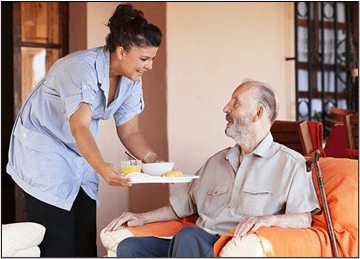
Homelessness is often treated as a problem that requires large systems, large facilities, and large budgets. But what if one of the most effective reintegration methods wasn’t large at all? What if it was something simple, familiar, and rooted in everyday community life?
This concept from Shelter Outline: The Network introduces a different kind of reintegration model one built around home-based caregivers who provide stability, routine, and human connection in a way institutions rarely can.
Instead of navigating crowded shelters or rigid programs, individuals experiencing homelessness would enter a calmer, slower, more personal environment: a household willing to guide them through the basics of rebuilding.
A Simpler Approach: Reintegration Through Daily Life
The home‑caregiver model focuses on the small, steady steps that help someone regain their footing:
- establishing a predictable routine
- learning how to manage time and appointments
- rebuilding confidence through everyday responsibilities
- practicing communication and problem‑solving in a safe environment
This isn’t a clinical program.
It’s not a shelter.
It’s not a facility.
It’s a household saying, “You can stay here while you rebuild.”
Caregivers act as guides not caseworkers, not supervisors helping participants relearn the rhythms of stable living.
How the Home‑Caregiver Model Would Work
This reintegration method is designed to be voluntary, flexible, and community‑driven:
- Caregivers open their homes to one participant at a time
- Participants receive stability, meals, and a quiet place to regroup
- Caregivers receive a monthly stipend to offset costs
- Mentorship happens naturally, through shared routines and daily life
- The focus is on readiness, not pressure or deadlines
The goal is not rapid transformation it’s gentle reintegration.
Why Home-Based Care Works
Many people experiencing homelessness struggle not because they lack ability, but because they lack:
- a calm environment
- someone to model healthy routines
- a place where mistakes aren’t punished
- a sense of belonging
Home-based caregivers provide something institutions cannot replicate:
a human-scale environment where healing feels possible.
This approach reduces stigma, builds trust, and creates a bridge between isolation and community life.
Examples That Inspire This Model
While no program is identical, several community-based initiatives show how powerful personal guidance can be:
- Peer mentorship programs that pair individuals with someone who has walked the same path
- Faith-based host-home models that provide temporary housing in private residences
- Reentry support programs that rely on one-on-one coaching rather than large facilities
These examples prove that small environments often produce big outcomes.
Supporting Caregivers for Long-Term Success
To make the model sustainable, caregivers would receive:
- monthly stipends
- training in trauma-informed communication
- access to support networks
- clear guidelines and safety protocols
Participants would also be encouraged to “pay it forward” once stable eventually becoming mentors themselves and strengthening the cycle of reintegration.
A Community-Scale Solution
for a Community-Scale Problem
Homelessness is complex, but reintegration doesn’t always need to be.
Sometimes the most effective solutions are the ones that feel the most human.
The home‑caregiver model offers:
- a softer landing
- a slower pace
- a more personal path back into society
It’s not a replacement for shelters or services it’s a missing piece that fills the gap between crisis and independence.
📜Disclaimer
← Back to All Series
Image & Digital Materials Use Notice
By the Street Sentinel