
🏕️ Goal: To Build a Self‑Contained,
Low‑Barrier Tent Encampment
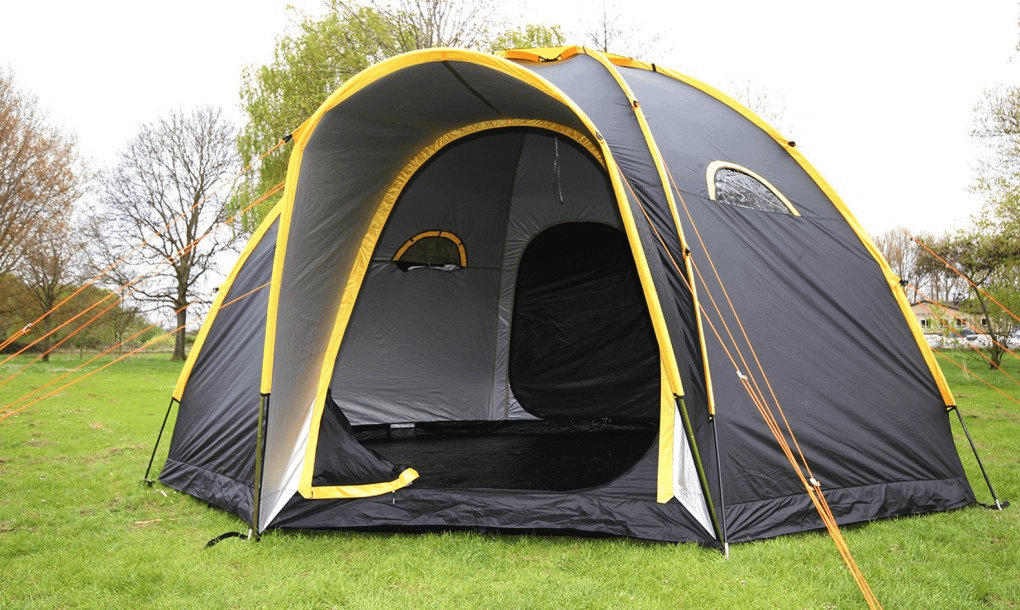
A safe, organized, stability‑first community designed to replace unsafe street encampments with a structured environment that provides:
🏕️ (a) Full Project Description
A Stability‑First, Dignity‑Centered Alternative to Street Encampments
This project establishes a self‑contained, low‑barrier tent encampment designed to provide immediate safety, stability, and structure for people living outdoors. Instead of chaotic, unsafe street encampments or punitive sweeps, this model creates a managed, humane, and operationally sound community where residents can stabilize and begin planning their next steps.
The encampment is built around three core principles:
1. Safety Without Punishment
Residents enter with minimal barriers. Only California ID or EBT Cards are required, no sobriety tests, no bureaucratic hoops. The focus is on reducing harm, not enforcing compliance.
2. Structure Without Oppression
The site is organized, predictable, and governed by clear community standards. These standards protect residents, staff, and the surrounding neighborhood while avoiding the punitive culture that often drives people away from services.
3. Dignity as a Baseline Condition
Every element from lighting to sanitation to navigation support is designed to restore dignity and reduce the daily chaos that makes progress impossible.
This model is modular, scalable, and replicable, allowing cities to deploy it quickly on vacant lots, parking areas, or transitional parcels. It serves as a bridge between street survival and long‑term housing, without pretending that housing scarcity can be solved overnight.
🏕️ (b) Site Layout
A Modular, Scalable Physical Design
The site layout is intentionally simple, predictable, and easy to replicate:
Core Zones
- Residential Zone
- Individual tents arranged in rows
- Clear pathways for safety and accessibility
- Lighting for nighttime visibility
- Optional privacy fencing depending on site size
- Community Hub
- Check‑in area
- Staff tent or small office
- Charging station
- Bulletin board for announcements, schedules, and resources
- Sanitation Zone
- Portable restrooms
- Handwashing stations
- Trash and recycling
- Sharps disposal (if needed)
- Support Services Zone
- Outreach and casework tent
- Peer support area
- Storage for supplies
- Space for partner agencies to visit
- Perimeter & Safety
- Clear boundary markers
- Controlled entry/exit point
- Lighting along the perimeter
- Optional cameras depending on city policy
Scalability
The layout can expand or contract based on available land.
The modular design allows:
- 30‑person micro‑sites
- 50‑person mid‑sites
- 100‑person large sites
Each uses the same blueprint only the number of modules changes.
🏕️ (c) Operational Standards
The Rules That Keep the Site Safe, Predictable, and Humane
These standards are the backbone of the model. They ensure the site is safe, functional, and respectful for everyone.
Entry Standards
- Low‑barrier entry
- California resident only
- No sobriety requirement
- Weapons prohibited
- Pets allowed with basic safety rules
Community Standards
- Respect for neighbors and staff
- Quiet hours
- Keep pathways clear
- No violence or threats
- No theft
- No open flames
- Follow sanitation guidelines
Staffing Standards
- 24/7 presence (staff or trained volunteers)
- Trauma‑informed engagement
- De‑escalation first, enforcement last
- Daily wellness checks (non‑punitive)
- Documentation of incidents for safety, not punishment
Service Standards
- On‑site navigation support
- Weekly casework availability
- Peer support presence
- Resource distribution (food, water, hygiene kits)
- Transportation coordination for appointments
Environmental Standards
- Daily trash removal
- Weekly deep clean
- Lighting maintained
- Pathways kept clear
- Regular safety inspections
These standards create a predictable environment, which is the foundation of stabilization.
🏕️ (d) Governance Model
Shared Responsibility Without Chaos
This model uses a hybrid governance structure that blends staff oversight with resident participation.
1. Staff Oversight
Staff handle:
- Safety
- Incident response
- Intake and exit
- Coordination with city partners
- Enforcement of non‑negotiable standards
2. Resident Council
Residents elect or volunteer for roles such as:
- Community liaison
- Sanitation lead
- Welcome team
- Peer support coordinator
The council:
- Helps maintain community norms
- Surfaces concerns early
- Supports conflict resolution
- Builds ownership and pride
3. Decision Matrix
- Non‑negotiable rules → staff authority
- Daily operations → shared responsibility
- Community culture → resident‑led
4. Transparency Practices
- Weekly community meetings
- Posted rules and updates
- Clear grievance process
- Open communication between staff and residents
This governance model prevents the two extremes that usually doom encampments:
- Total chaos (no structure)
- Total control (punitive shelter culture)
The purpose is to create a contained, well‑managed, dignity‑centered space that offers structure without punishment, support without bureaucracy, and safety without displacement.
We intend to create a balanced, dignity‑centered community where people feel safe, respected, and involved.
📜Disclaimer
← Back to All Series
Image & Digital Materials Use Notice
By the Street Sentinel