
📍The Map of Cracks 📍
Where the System Works, Overlaps, & Fails
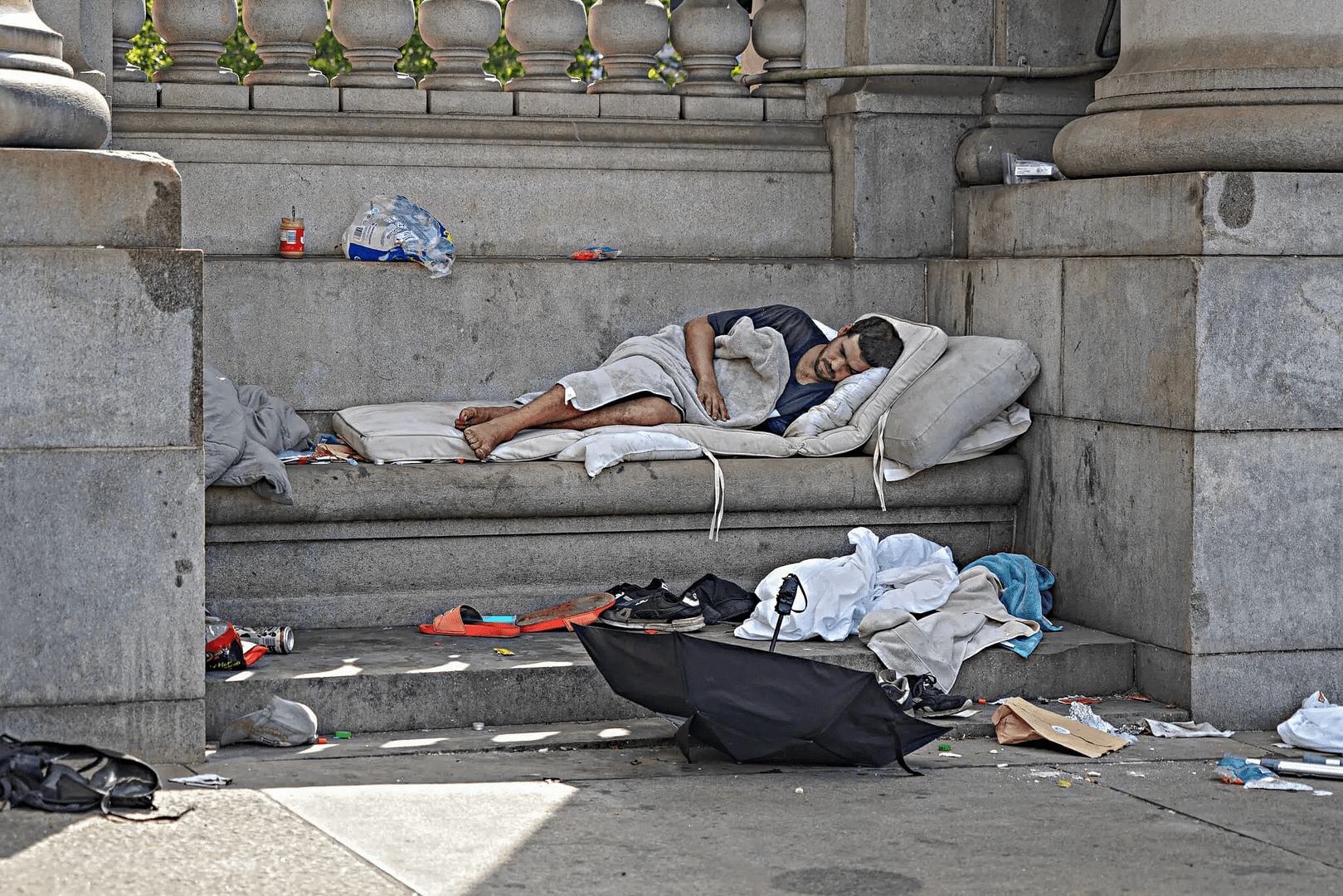
A. Who’s Doing What (and Where They Overlap)
1. Shelters
- Stockton Shelter for the Homeless
- Gospel Center Rescue Mission
- Women’s Center Youth & Family Services
Strengths: Beds, meals, basic services
Overlap: All serve similar populations
Cracks: Not enough beds, not low‑barrier, not trauma‑aware
2. Outreach Teams
- City outreach
- County behavioral health
- Nonprofit outreach
- Faith‑based outreach
Strengths: Engagement, resource navigation
Overlap: Multiple teams visiting same sites
Cracks: No unified data, inconsistent follow‑up, no shared plan
3. City Departments
- Public Works
- Police
- Fire
- Code Enforcement
Strengths: Safety, cleanup, hazard response
Overlap: Respond to same encampments repeatedly
Cracks: No housing pathways, no continuity, reactive not proactive
4. County Services
- Behavioral health
- Substance use treatment
- Social services
Strengths: Clinical support
Overlap: Often called in by outreach teams
Cracks: Long waitlists, limited field presence, high thresholds for care
5. Utilities & Infrastructure
- PG&E
- Water & Waste
- Army Corps (levees)
Strengths: Hazard mitigation
Overlap: Respond to encampments near infrastructure
Cracks: No human services component, no long‑term plan
B. The Gaps No One Covers (The Real Cracks)
These are the spaces where people fall through:
1. No unified coordination system
Everyone works, but no one works together.
2. No trauma‑aware, dignity‑centered shelter pathways
People avoid shelters because they don’t feel safe.
3. No continuity between outreach, cleanup, and housing
One group engages, another cleans, another enforces but no one connects the dots.
4. No real‑time data on who needs what
People get lost in the shuffle.
5. No civic architecture for long‑term stewardship
Everything is reactive, not structural.
C. Where Shelter Outline: The Network Fits (The Missing Layer)
Shelter Network fills the cracks by providing:
1. Unified coordination
A single system that connects outreach, city departments, utilities, and shelters.
2. Dignity‑centered engagement
Trauma‑aware, human‑first, non‑coercive.
3. Real‑time field intelligence
Who needs help, where, and what kind.
4. Continuity across agencies
No more handoffs that drop people.
5. Civic architecture
A long‑arc system that outlives any one program.