
February Newsletter
What Happens When Systems Move Slower
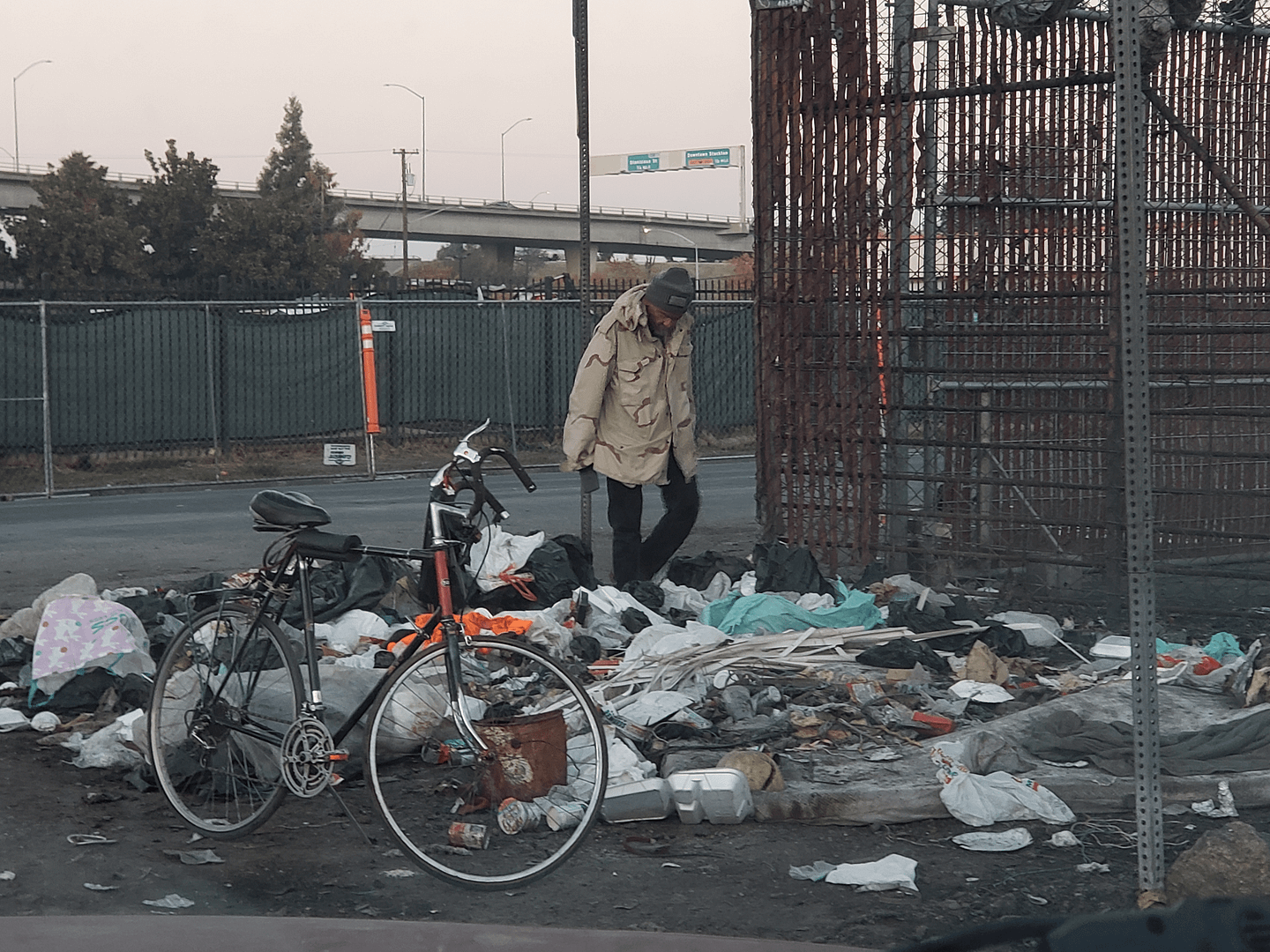
Every city has a plan for homelessness. But the crisis doesn’t wait for plans.
This February, I kept noticing the same pattern: people are moving faster than the systems meant to help them. They’re adapting, surviving, shifting, trying to stay warm, trying to stay alive while the system moves at the speed of paperwork.
When you talk to people on the street, you hear the urgency:
“I can’t wait three months for an appointment.”
“I can’t wait for a callback.”
“I can’t wait for the next funding cycle.”
The crisis moves daily. The system moves yearly.
That gap the space between human need and institutional speed is where people fall through.
Shelter Outline: The Network exists to close that gap.
We’re building a model that:
- responds in days, not years
- adapts to real conditions, not ideal ones
- scales without waiting for billion‑dollar budgets
- treats stability as the starting point, not the reward
This month, I spent time listening to people who have been waiting for help for years. Not because they’re unwilling but because the system is slow by design.
The truth is simple:
People don’t fail systems. Systems fail people.

And when a system moves slower than the crisis it’s meant to solve, the crisis wins.
This year, we’re building something faster. Something modular. Something that meets people where they are not where the system wishes they were.
Thank you for being part of this shift. Thank you for believing that dignity shouldn’t be delayed.
We’re building the model the crisis actually needs.
When I share a product link, it’s simply to highlight items that make a real difference for people living outdoors. Some supporters buy them for themselves, some buy them to give away, and some just read and learn. Any purchase made through these links earns a small commission that directly supports Shelter Outline: The Network’s work. There’s no expectation either way it’s just one simple way to help fuel the mission.
If you want to support the work directly, here’s a simple, dignity-centered item I see people using every day on the street. It’s affordable, practical, and something that genuinely helps link.
If this work resonates with you, share this newsletter with one person who cares about dignity, housing, or systems that actually work. Movements don’t grow through algorithms they grow through people.
By the Street Sentinel