
🛠️ The History of Shelter Outline🛠️
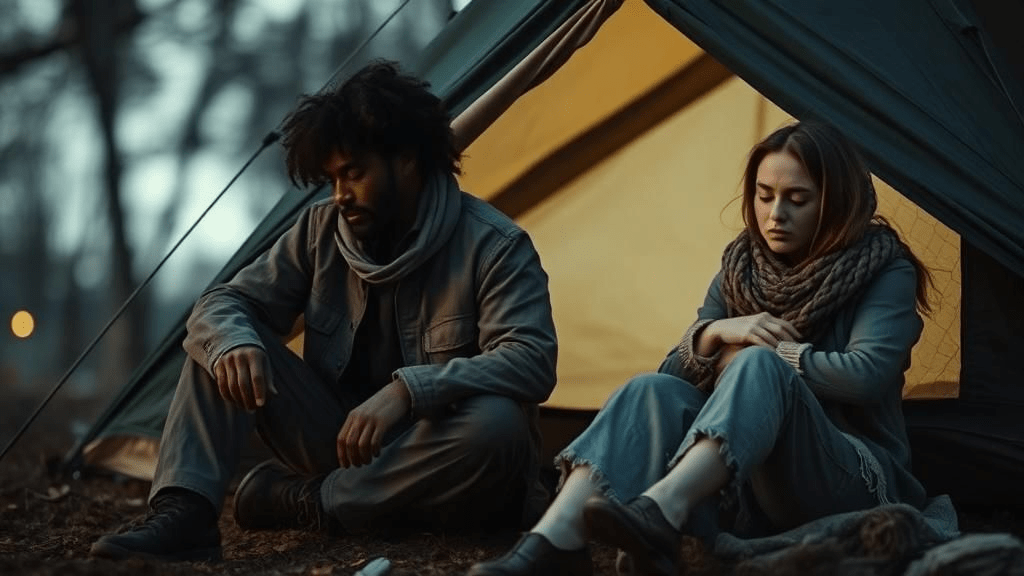
It began quietly, with a recently retired man walking the streets of Stockton after dark. In parks, food banks, and encampments, he noticed something most people never see: the unhoused population becomes far more visible when the city sleeps. At the same time, headlines warned of an incoming caravan of immigrants, adding pressure to a system already stretched thin.
Those nightly walks revealed a hard truth Stockton’s approach to homelessness was outdated, overwhelmed, and in urgent need of reform.
That’s when the idea behind The Street Sentinel emerged: a commitment to ask the questions others avoided, to document what was happening on the ground, and to search for solutions rooted in dignity and common sense. The first version of this work lived on a simple blog, WhatJoeSees.com, a platform built on observation, honesty, and empathy.
But witnessing wasn’t enough.
The streets demanded action.
Through months of fieldwork, interviews, and direct engagement, a clearer picture formed: California needed a model that was practical, scalable, and centered on human dignity. That realization became the foundation of Shelter Outline, a blueprint for repairing the gaps in our care systems using the resources we already have.
The next step was pivotal: a business plan, a clear direction, and a commitment to reshaping how care begins. Shelter Outline adopted a simple, powerful motto:
“Turning Empty Spaces into Safe Places.”
As the work expanded, so did the vision. Shelter Outline is now evolving into The Network, a statewide system designed to:
- curb bad actors
- cut through red tape
- support local agencies
- and deliver cost‑effective, dignity‑first care
This is where the future begins, not with theory, but with lived experience, practical solutions, and a commitment to building a system that works for everyone.
By the Street Sentinel