
Race and the Homeless:
Survival, Division, and Encampment Life
The Role of Race in Homelessness
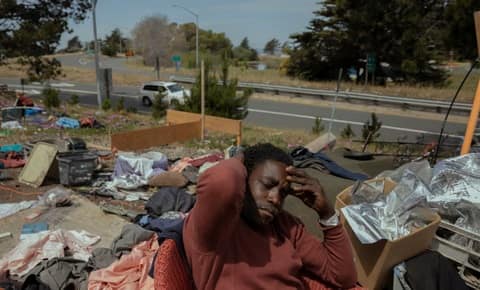
Homelessness is not just about poverty; it’s about systemic inequalities that disproportionately affect certain racial groups. Studies show that Black, Indigenous, and Latino populations experience homelessness at higher rates than White and Asian communities.
✅ Social divisions – People often group by race in encampments, mirroring patterns seen in schools, prisons, and society.
✅ Language barriers – Shared language creates trust and safety, while differences can lead to isolation.
✅ Cultural survival instincts – Some racial groups navigate homelessness differently, based on historical experiences with poverty and displacement.
✅ Discrimination in services – Shelters and outreach programs sometimes reflect racial biases, affecting access to resources.
Race shapes the homelessness experience, influencing who people trust, where they sleep, and how
Encampment Survival: The Reality of Vulnerability
🔹 Safety concerns – Homeless individuals must be cautious about who they sleep near, as violence and exploitation are common.
🔹 Power dynamics – Stronger individuals sometimes take advantage of the vulnerable, creating hierarchies within encampments.
🔹 Stress and desperation – The daily fight for survival intensifies tensions, leading to conflicts over space, resources, and protection.
🔹 Community bonds – Despite challenges, racial and cultural groups often form protective networks to support each other. Encampments aren’t just places to sleep; they are complex social ecosystems where survival depends on trust, caution, and resilience.
Criticisms & Challenges
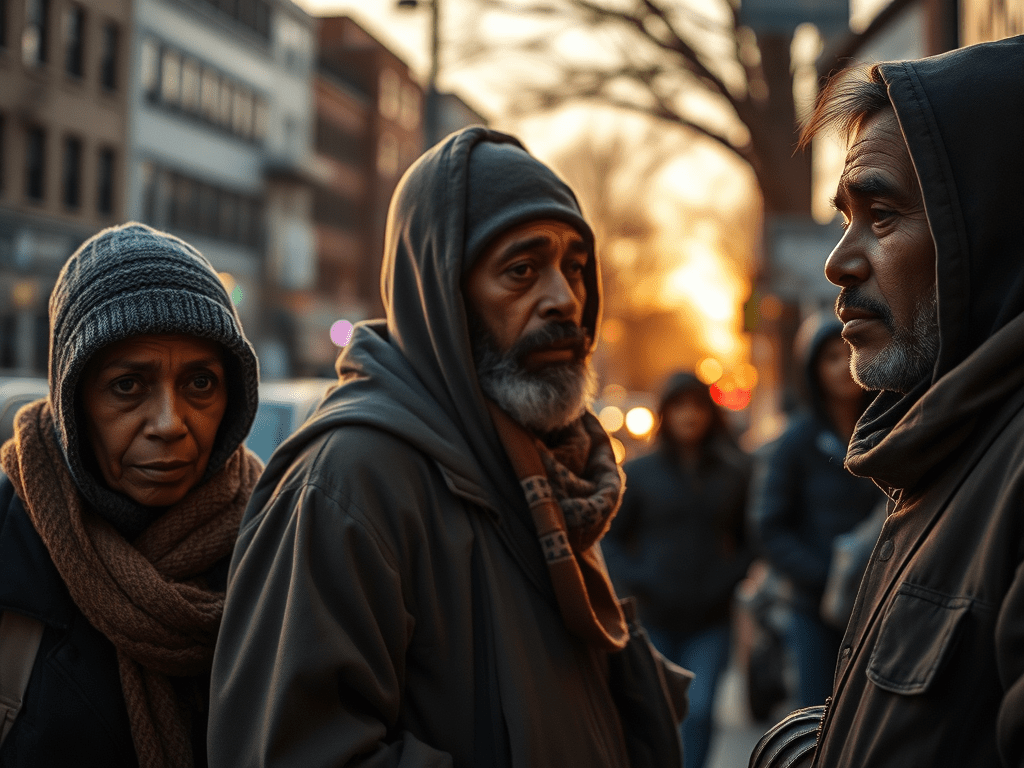
🚫 Racial tensions – Some argue that division within encampments worsens the homelessness crisis.
🚫 Limited intervention – Governments and nonprofits rarely address racial dynamics in homelessness solutions.
🚫 Stereotyping risks – Discussions on race and homelessness must avoid reinforcing harmful stereotypes.
🚫 Lack of research – Few studies explore the racial realities of encampment life, leaving gaps in policy solutions.
Despite these challenges, ignoring race in homelessness discussions prevents real solutions.
Solutions & Policy Recommendations
To address racial disparities in homelessness, cities must:
✅ Expand culturally competent outreach – Ensure services are accessible to all racial groups.
✅ Improve shelter diversity policies – Prevent racial bias in shelter admissions and treatment.
✅ Strengthen community-led safety programs – Encourage peer-led protection networks within encampments.
✅ Fund research on racial homelessness trends – Data-driven solutions require deeper analysis.
✅ Increase representation in policy-making – Ensure homeless individuals from diverse backgrounds have a voice in solutions.
Homelessness isn’t just an economic issue, it’s a racial justice issue.
📜Disclaimer
← Back to All Series
Image & Digital Materials Use Notice
By The Street Sentinel