
Why Build Permanent Encampments?
Because Stability Starts with a Place to Call Home
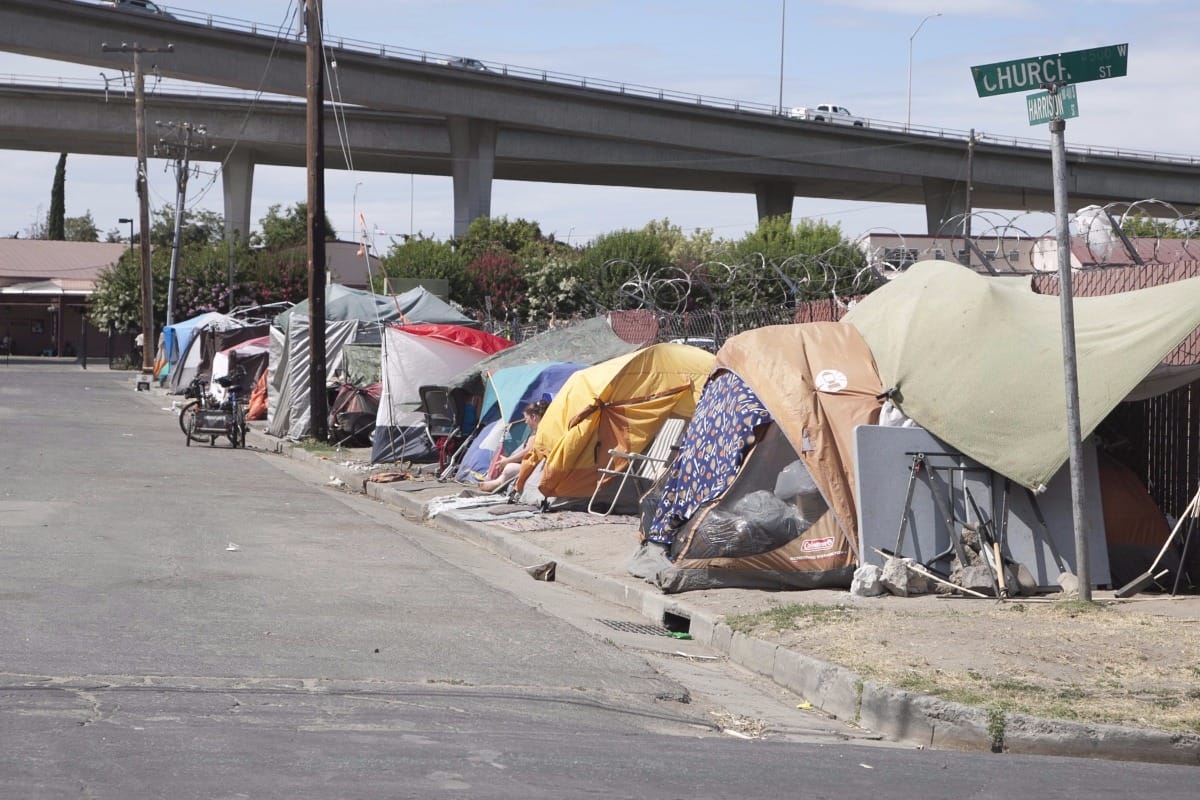
The Purpose of Permanent Encampments
Homelessness solutions often focus on rapid rehousing or shelter programs, but not everyone qualifies or fits within these structures.
Permanent Encampments Serve a Critical Need, providing:
✅ Designated, structured living spaces for individuals left out of traditional housing models.
✅ Sanitation hubs with portable restrooms, water access, and waste management.
✅ Community safety policies ensuring stability without unnecessary displacement.
✅ Medical & mental health services directly integrated into encampment zones.
✅ Employment training & resource centers to help individuals regain independence.
These encampments aren’t just tents; they are intentional communities built for stability, dignity, and structured assistance.
The Impact: Redefining Homelessness Responses
🔹 Reduces displacement cycles – No more sweeps that erase lives overnight.
🔹 Provides environmental order – Clean, structured spaces reduce waste buildup.
🔹 Offers predictability – Homeless individuals can make plans instead of facing uncertainty every day.
🔹 Bridges the gap to housing – Provides a manageable transition for those waiting on permanent housing solutions.
🔹 Shifts perception – Encampments become structured communities rather than chaotic zones. Permanent encampments offer real stability, ensuring individuals aren’t constantly pushed into survival mode.
Criticisms: The Challenges of Encampments
🚫 Concerns over drug use – Some fear that encampments could increase substance abuse risks, but structured models can integrate treatment programs.
🚫 Resistance from local businesses – Many see encampments as threats to commercial areas, though proper zoning solutions can address this.
🚫 Funding uncertainty – Cities hesitate to allocate resources toward non-traditional housing models.
🚫 Legal obstacles – Current laws often prevent the establishment of permanent homeless zones, requiring new policy shifts. Critics question the feasibility, but alternative solutions aren’t keeping up with demand. Encampments fill a crucial gap.
Alternatives & Expansions
Beyond permanent encampments, cities could enhance homeless living spaces with:
✅ Sanitation & hygiene hubs – Mobile showers, restrooms, and laundry stations.
✅ Community-driven encampment governance – Peer-led systems ensuring safety and responsibility.
✅ Workforce development programs – Connecting residents to job training and employment pathways.
✅ Health & recovery services – Integrated mental health support within encampment zones.
✅ Public-private collaboration – Businesses partnering to create structured homeless zones instead of enforcement-driven displacement. By expanding structured encampments, cities move from reactionary sweeps to proactive solutions.
By The Street Sentinel