
Where Does the Money Go?
Unpacking Housing Delays
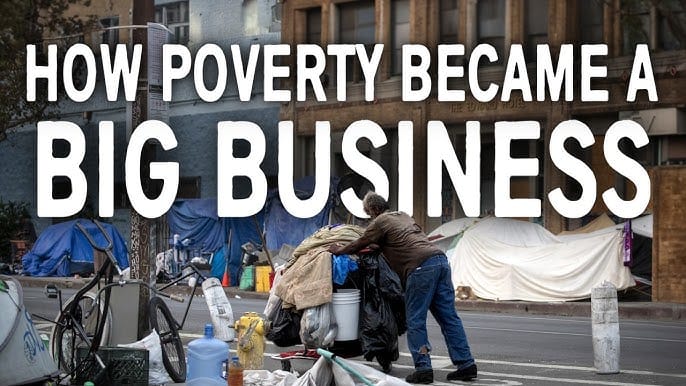
The Path of Funding: How Many Hands Touch It?
When cities secure funding for temporary homeless housing, the money doesn’t immediately reach the people in need. Instead, it follows a long chain of approvals, contracts, and payouts before construction begins.
💰Who gets paid first?
– Government agencies approving grants and distributing funds.
– Developers securing contracts to oversee the project.
– Consultants hired for feasibility studies, environmental reviews, and zoning permissions.
– Contractors & suppliers providing materials and labor.
– Administrative costs, staffing, documentation, and oversight expenses.
By the time funding actually reaches housing development, a large percentage has already been spent on approvals, planning, and workforce payments.
Why Do Projects Stall?
Despite receiving funds, many housing projects stall for months or years.
🔹 Regulatory delays – Zoning restrictions, environmental reviews, and city policies slow approvals.
🔹 Budget mismanagement – Funds are allocated but not spent efficiently, leading to cost overruns.
🔹 Political interference – Leadership changes cause shifting priorities, putting projects on hold.
🔹 Private interests – Developers may halt progress due to funding concerns or contractual disputes.
🔹 Short-term thinking – Cities focus on temporary solutions rather than permanent housing.
Each delay forces homeless individuals into longer instability, removing their ability to plan for their future.
Criticism: The Failure of Bureaucratic Funding
🚫 Wasteful spending – Too much money is spent before any shelter is provided.
🚫 Lack of transparency – Homeless individuals don’t know when housing will be ready.
🚫 Misplaced priorities – Bureaucracy prioritizes planning costs over direct housing aid.
🚫 Abandoned projects – Some developments never reach completion, leaving empty buildings and wasted funds.
Critics argue that funding should go directly to housing efforts instead of flowing through multiple agencies and approvals first.
What Are the Alternatives?
Instead of long, drawn-out funding pathways, cities could adopt more direct approaches:
✅ Rapid rehousing funding models – Money goes directly to property owners willing to lease to homeless tenants.
✅ pre-approved housing contracts – Streamlined agreements reduce delays in construction and distribution.
✅ Nonprofit-led building efforts – Faster deployment of funds without government bureaucracy.
✅ Transitional housing expansions – Repurposing existing buildings instead of waiting for new development approvals.
✅ Community-driven solutions – Local engagement ensures resources are allocated efficiently.
These alternatives would speed up housing access, reducing uncertainty for individuals waiting for shelter.
📌 Final Enhancements:
✅ Permanent Homeless Tent Encampments – Designated, regulated zones for those without traditional housing access.
✅ Sanitation Hubs – Portable restrooms, shower stations, and hygiene essentials within encampments.
✅ Community Oversight Structures – Managed encampment models with peer leadership and support systems.
✅ On-Site Medical & Mental Health Services – Regular outreach for health screenings and therapy options.
✅ Employment Assistance Zones – Work training, job referrals, and basic financial stability pathways.
✅ Safety Guidelines & Managed Entry – Policies ensuring violence prevention and community cooperation.
✅ Temporary to Transitional Housing Pipelines – Systems designed to help encampment residents move into stable options.
This ensures even those excluded from traditional housing solutions have structured spaces for stability rather than being forced into dangerous, unregulated living conditions.
By The Street Sentinel