
Convenience Over Cost-Effectiveness
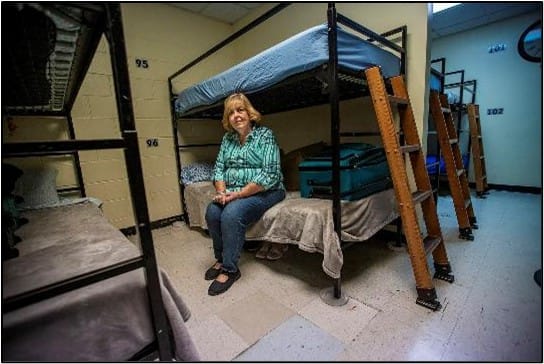
If there was ever a choice between a bicycle and you owning a car, the car would always be the winner; the same goes for a brick-and-mortar shelter over a tent encampment for the homeless, the shelter will always win. The problem is the cost of it all; the question has always been, can a self-contained tent encampment perform better than a solid shelter? There are pros and cons to both; tents provide individual comfort to the person using them.
It gives a feeling of self-control of their personal space that a shelter does not give. In a shelter, you share a big room with rows of bunk beds, providing no personal space or privacy to the person occupying the space.
A shelter to some measure provides security from the outside world, but very little security in the inside, where your roommates are. It would appear just with the numbers that if the right people were to run and watch the tents and have in place programs to fight and control the effects of bad actors, you would have a cost-effective system that can run for as long as you need it. It’s not realistic to believe that homeless people are going to go away. It took a very long time to get to this point it is now, and it will take at least half that time to control it.
The real issue is the levels of homelessness; we are still bunching all the levels together and wonder why help is not helping. Level 1 homeless people are mainly the ones everyone sees; they have nothing but clothes on their backs, and they sleep on cardboard and patches of grass out in the open.
They make up the majority of what society calls the 5150s, and they have been in the streets for a very long time, getting bounced and skipped from one program or shelter to another. And unfortunately, after a few years, they have proven to be unsuitable for living a normal lifestyle. Which is why they often slip through the system’s plans for reintegration; fortunately, they are tailor-made for tent encampments.
Level 2 Homeless people are those who have either a makeshift cover or a tent to call their home. Unfortunately, depending on how long they have been in the streets will determine how long of time it will take them to come back. Once you lived in the streets for several years, your outlook on life is very different; no longer is there care for your fellow man unless he or she is also homeless.
They lost respect for community involvement, especially with anyone’s property, and with the help of outside influences, attitudes about personal appearances, like hygiene and cleanliness,s are usually nowhere to be found. It’s all about me, and to hell with everyone else. Some of them will disrespect you, your property, and any place they deem to visit or stay.
Despite all of that, this group can exist in a shelter, but unfortunately, due to the increasing growth of bad actors who encourage users and sellers, the percentage of keeping control will be an uphill battle. It just seems that addictive drugs have a serious hold on many on this level, so a controlled, self-contained tent encampment put far away on the outskirts of the city will give this the best chance to work.
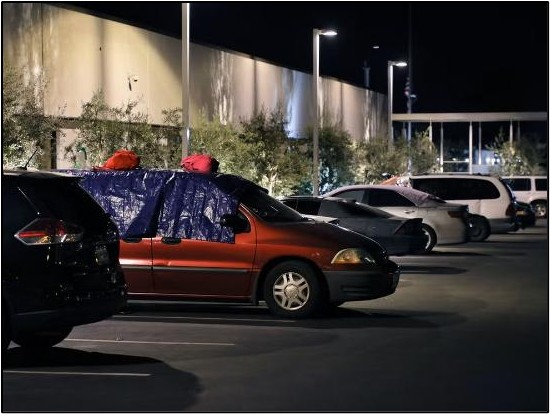
Level 3 Homeless are individuals who work, but still cannot secure their own place. They live inside their vehicles, like cars, RVs, and boats. Their issues are mainly parking and finding places to utilize amenities to live. And Level 4 Homeless are the chosen ones who are best prepared to reintegrate into our society. They made it to a sponsored program or homeless shelter, waiting for the next step, their own place.
In a professional building, you have way too much of a prison vibe flowing through it; it’s probably the barracks format and the in-your-face control. It’s great for families with kids. Tents, on the other hand, give homeless people personal control over the insides of the tent and freedom to breathe. With the right setup that includes things to do and a place for their pets, tents will win.
📜Disclaimer
← Back to All Series
Image & Digital Materials Use Notice
By the Street Sentinel